
Last updated October 16, 2026
 Water damage drying
 Fire & smoke cleanup
 Mold remediation
 Storm response
 Sewage cleanup
 Reconstruction
Free visual inspection and a written scope of work before any mitigation begins - photos, moisture readings, and drying logs go in your claim file
The scope we write is the scope we bill. Anything new gets shown to you, in writing, before we touch it.
Get your free estimateDamage Restoration Cost Breakdown: The Dallas Homeowner’s Reference for 2026
The gap between what a Dallas homeowner is told a restoration job will cost and what appears on the final invoice is not a rounding error. Across Texas, claim data shows final restoration invoices landing roughly 34 percent above the original verbal estimate, with “unforeseen conditions” listed as the justification more often than any other line item. That phrase is a feature, not a bug, in an industry where pricing is frequently left vague on purpose. This guide dismantles the opacity: it names the actual line items, gives real 2026 ranges for the Dallas market, and shows you which charges are legitimate, which are negotiable, and which should have been predicted before a single fan was placed. For Damage Restoration Warning Signs: A Dallas Homeowner’s Reference Guide, see our companion resource.
Quick Answer
Water damage restoration in Dallas typically runs $3.50 to $7.50 per square foot for a standard Category 1 or 2 loss, putting a 1,500-square-foot home between $5,250 and $11,250. Fire restoration lands between $6 and $15 per square foot depending on severity, while mold remediation in Dallas averages $2,200 to $6,800 for a contained area. The invoice line items that drive those totals are predictable, and the single most effective way to keep the final number honest is to demand a written scope of loss before any equipment gets unloaded.
Restoration work we handle
Table of Contents
- Water Damage Cost Ranges for Dallas Homes in 2026
- Fire Damage Restoration: What Dallas Homeowners Actually Pay
- Mold Remediation Costs in Dallas: The Numbers Behind the Quotes
- The Equipment Fee Problem: What Industrial Drying Actually Costs Per Day
- RCV vs. ACV: The Billing Dispute That Vexes Dallas Claims
- Standard vs. Negotiable Line Items: A Plain-Language Invoice Glossary
- How a Written Price Kills the “Unforeseen Conditions” Invoice Inflator
- Common Mistakes to Avoid
- When to Call a Professional
- Frequently Asked Questions
We’ve kept this guide focused on the three service areas Keegan Restoration Dallas runs every week: water damage restoration in Dallas, fire damage restoration in Dallas, and mold remediation in Dallas. These are the jobs that generate the most pricing confusion, and they share one common thread: a written price, agreed before work starts, eliminates nearly all of it.
Water Damage Cost Ranges for Dallas Homes in 2026
A clean-water leak from a supply line or a failed water heater in a typical Dallas three-bedroom runs from $3,750 to $9,500 when the scope includes extraction, drying, and basic reconstruction of affected drywall and flooring. If the source is a sewer backup (Category 3 water), the per-square-foot cost jumps because every porous material it touched must be removed, not dried. Dallas’s clay-heavy soil and the freeze-thaw cycle that batters slab foundations from January through March mean supply-line failures under the slab are more common here than in most Sun-Belt metros, and those jobs carry a distinct line item: slab access, which involves cutting concrete to reach the failed line before drying can begin.
Here are the component ranges we see on honest Dallas estimates in 2026:
- Water extraction: $500 to $1,800 for a standard room, depending on how much standing water is present and whether the water has migrated into carpet pad, subfloor, or wall cavities.
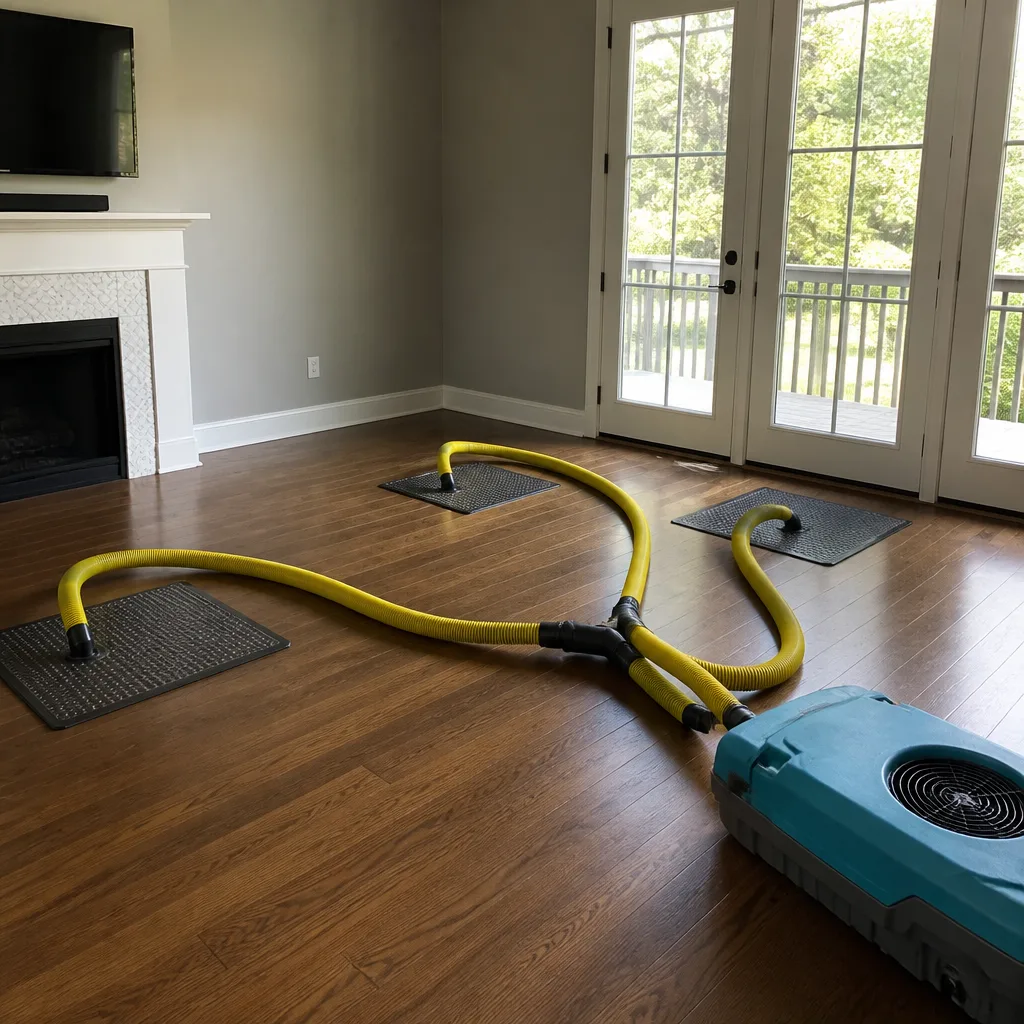
- Structural drying (3 to 5 days): $1,200 to $4,500 for a typical residential loss. This line item should specify the number of air movers and dehumidifiers placed, not just a single flat fee.
- Drywall removal and replacement: $2.50 to $4.25 per square foot in Dallas for standard 1/2-inch board, including tape, float, and texture match.
- Flooring: $4 to $12 per square foot depending on whether it’s carpet, laminate, engineered wood, or tile. Carpet is cheapest to replace but most costly to keep, since category 2 and 3 water almost always requires full removal.
- Slab leak access and repair: $1,500 to $5,000 added to the scope when the leak is beneath the foundation. Dallas homes built in the 1970s and 1980s see this routinely.
- Antimicrobial application: $200 to $700, required on any category 2 or 3 loss.
The number that should concern you most on a water quote is not the top line. It is whether the estimate itemizes each component or presents a single bundled figure. A bundled quote without line-item detail is where “unforeseen conditions” hides.
Fire Damage Restoration: What Dallas Homeowners Actually Pay
Fire restoration is priced differently from water because it is always a combination job: there is the smoke and soot cleanup, the structural repair, and, in nearly every case, a water damage component from the fire department’s suppression effort. On a moderate kitchen fire in a Dallas home, expect a total of $8,000 to $22,000. A whole-structure fire that compromises the roof and framing can reach $75,000 or more, which is why the estimate format matters more than the total.
Dallas-specific factors that move fire restoration pricing in 2026 include:
- Older construction: Homes in East Dallas, Oak Cliff, and parts of Mesquite built before 1985 often contain materials that create heavier, more adhesive soot. Particleboard and plywood smoke differently than modern gypsum and OSB, and that affects cleaning time.
- HVAC contamination: Dallas homes run air conditioning seven to eight months a year. A fire inside the envelope almost always pulls soot into the ductwork, which adds $800 to $2,500 to the scope for duct cleaning and sanitizing.
- Soot type: Protein soot from a kitchen fire is nearly invisible but highly acidic; it requires chemical sponges and can double cleaning time compared to dry soot from a structure fire. The difference is often not called out on a verbal quote.
- Content cleaning vs. replacement: Soot-damaged upholstery, clothing, and electronics can sometimes be cleaned, but Dallas’s high humidity makes musty odor re-emergence common within 60 days if items are not dried and deodorized properly. Honest estimates itemize content cleaning separately.
We tell Dallas homeowners to expect a fire restoration estimate to have three sections: emergency board-up and stabilization, structural and smoke mitigation, and reconstruction. If you only receive a single number, you are receiving the contractor’s guess, not a written scope of loss. The Garrison Standard exists for this specific reason: price in writing, before work begins, with every stage specified.
Mold Remediation Costs in Dallas: The Numbers Behind the Quotes
Mold remediation in Dallas is the most frequently inflated line of work in the restoration trade, and the inflation is rarely in the labor. It is in the testing, the containment, and the post-remediation verification, which are often presented as mandatory add-ons at premium prices. A legitimate, contained mold job in a Dallas bathroom or laundry room runs $2,200 to $6,800 in 2026. A whole-home mold issue affecting HVAC distribution or multiple rooms can push past $12,000.
The reason mold quotes vary so dramatically in Dallas has a lot to do with climate and construction. Dallas’s average relative humidity stays above 70 percent from April through October. That means mold that appears in a wall cavity, behind a vanity, or in a supply plenum during summer is almost always the result of an unresolved moisture source, not a single event. Any mold estimate that does not address the moisture source, in writing, is incomplete. The mold will return within one year, which is exactly why Keegan Restoration Dallas home has always run mold jobs with the 365-Day Done Right Promise: the guarantee only works if the cause was actually resolved.
Typical Dallas mold remediation line items:
- Containment and negative air: $800 to $1,800, required for any visible mold growth above 10 square feet.
- Demo and disposal: $3 to $6 per square foot of affected drywall, including bagging and local landfill fees.
- HEPA vacuuming and surface cleaning: $400 to $1,200 depending on square footage and surface type. Porous surfaces cannot be fully cleaned; this is where honest contractors tell you replacement is required and dishonest ones charge you for cleaning that does not work.
- Post-remediation air sampling: $300 to $700 per sample, typically 2 to 4 samples. This should be performed by a third-party industrial hygienist, not the remediation company.
If a Dallas mold quote includes “fogging” or “ozone treatment” as a primary remediation method, be skeptical. Fogging is a supplementary step at best, and the IICRC standard does not recognize it as standalone remediation. The real work is moisture control, removal, and drying.
The Equipment Fee Problem: What Industrial Drying Actually Costs Per Day
This is the line item that frustrates Dallas homeowners more than any other, because it is where the math gets deliberately cloudy. A restoration company passes through equipment charges to the homeowner or insurer, and those charges vary wildly based on the brand, the class of equipment, and the company’s markup policy.
Here is what the equipment actually costs a restoration contractor to own and operate, and what a fair per-day rental should look like on a 2026 Dallas invoice:
- Air movers (centrifugal or axial): True cost to own and run: $1.50 to $3.50 per day per unit, including power and depreciation. A standard 1,500-square-foot drying job needs 8 to 14 air movers. A fair pass-through is $12 to $20 per unit per day.
- Refrigerant dehumidifiers (e.g., Phoenix, Dri-Eaz): True cost: $8 to $15 per day. Fair pass-through: $65 to $90 per day for a full-size unit. Smaller units run less.
- Desiccant dehumidifiers: Rare on residential jobs, but occasionally needed for dense materials or very tight spaces. Fair pass-through: $150 to $200 per day.
- Air scrubbers and negative air machines: True cost: $4 to $8 per day. Fair pass-through: $45 to $70 per day. These are required on mold and fire jobs, and sometimes on Category 3 water.
The verification problem is simple: most Dallas homeowners never see the equipment roster. A contractor can list 14 air movers at $18 per day, deliver 8, and the invoice still says 14. Keegan Restoration Dallas runs Dri-Eaz and Phoenix drying systems, along with XPOWER air movers, and the written scope of loss states exactly how many units are placed and where. You should demand the same from any contractor: a written equipment schedule, tied to the drying plan, before the first fan is plugged in. If a contractor refuses to provide that list, you have your answer.
RCV vs. ACV: The Billing Dispute That Vexes Dallas Claims
The most common billing dispute in a Dallas restoration claim is not whether work was performed. It is whether the estimate is written at replacement cost value (RCV) or actual cash value (ACV), and the difference between the two can be thousands of dollars. Here is the plain-language version:
- RCV (Replacement Cost Value): What it costs, today, to replace the damaged item or material with new. If your 8-year-old carpet was damaged, RCV covers new carpet of similar quality.
- ACV (Actual Cash Value): RCV minus depreciation. The same 8-year-old carpet has depreciated, often by 60 to 80 percent, so ACV might reimburse you for a fraction of the replacement cost.
Most Dallas homeowner policies list personal property as ACV but structural repair as RCV. The problem arises when a restoration company writes the estimate at RCV, the insurer pays ACV, and the homeowner is left holding the difference, sometimes discovering this after the work has been completed. A written scope from the restoration contractor should state clearly whether each line item is priced at RCV or ACV, and that same distinction should appear on the insurance estimate. When the two documents use different valuation methods for the same line item, that is the moment to stop the job and reconcile, not after the drywall is hung.
- Request a copy of your insurance policy’s loss settlement provision before signing any restoration contract.
- Ask the restoration company to mark each line item on its written scope as RCV or ACV.
- Compare the restoration estimate line by line against the insurance adjuster’s estimate. If they use different valuation methods, ask why.
- Do not authorize reconstruction work until the valuation method for that work is confirmed in writing by your adjuster.
We prepare every Dallas job with documentation formatted to support your insurance claim: photo logs, moisture maps, equipment placement records, and a written scope that mirrors the adjuster’s line-item structure. The goal is that your insurer recognizes every charge, because they have already seen the evidence.
Standard vs. Negotiable Line Items: A Plain-Language Invoice Glossary
Restoration invoices use language most homeowners never encounter until they are holding one while standing in a wet hallway. You can negotiate more than you think, because the invoice terms are not all equally fixed. Here is the 2026 Dallas reality, line by line:
- Emergency service call / dispatch fee: Standard at $75 to $150 in Dallas. Not negotiable in a true emergency; if a contractor wants to charge $400 to show up, that is a red flag.
- Water extraction: Standard. Priced per room or per hour. The per-hour version is fine, but demand a cap.
- Structural drying: Standard, but the rate may be negotiable downward if the job is likely to exceed 5 days. Ask what happens if drying runs long: most insurers will not pay for 10 days of drying on a 3-day loss without documentation.
- Equipment rental: Negotiable. Ask for the daily rate per unit and the number of units, in writing, before equipment is placed. If they resist, do not sign.
- Antimicrobial / sanitizer application: Standard on Category 2 or 3 water. If it appears on a Category 1 clean-water loss, question it.
- Monitoring visits: Standard, typically included in the drying line item. A separate $95 “daily monitoring” fee per visit is padding.
- Content manipulation and storage: Negotiable. This is moving furniture, boxing contents, and storing them off-site. If the scope requires it, fine, but the variable hourly rate should be capped.
- Hazmat or demolition surcharge: Standard only if asbestos or lead is present. If it appears on a modern home built after 1985, ask for the test results that justify it.
- Post-job cleaning: Standard, but often modest. The Garrison Code includes “leave the site clean” as a non-negotiable element, not a separate invoice line.
- Permits: Standard for any structural or electrical work in Dallas. The cost is set by the city, and the contractor should pass it through at cost with a receipt.
The line item that should never appear on a Dallas restoration invoice is “miscellaneous” or “general conditions” without a detailed explanation. General conditions exist in commercial construction, not residential restoration. If a contractor cannot tell you what a charge is for, it is a charge that should not be there.
How a Written Price Kills the “Unforeseen Conditions” Invoice Inflator
“Unforeseen conditions” is the phrase that turns a $6,000 verbal estimate into a $9,000 invoice. It is the restoration industry’s preferred padding mechanism because it is technically honest: once drywall is opened, you often find more damage than was visible. But the key word is often, not always. And the difference between a legitimate scope change and invoice inflation is whether the original scope was written down.
A written scope of loss, prepared before work begins, changes the dynamic in four ways. First, it forces the contractor to predict the predictable. A Dallas home with a slab leak, water heater failure, or roof leak has a known set of probable damage: wet drywall from floor to 24 inches, wet carpet pad, possibly warped baseboards. A trained technician can see this in the first hour. Second, it gives the homeowner a baseline. If the final invoice is higher than the written scope, the contractor must explain, in writing, specifically what could not have been predicted and why. Third, it makes the “unforeseen conditions” conversation a negotiation, not an ambush. And fourth, it gives the homeowner’s insurer a document to hold the contractor to, which changes the contractor’s behavior in a way that benefits everyone.
- Receive a written scope of loss before any equipment is placed. If a contractor refuses to provide one, hire someone else.
- Require that the scope list each line item, the estimated cost for each, and the valuation method (RCV or ACV) for each.
- Require that any scope change is delivered to you in writing, with an updated price, before that additional work begins, not after.
- Keep a photo log of the damage before the contractor arrives, and insist the contractor keep one as well, with timestamps.
- If the final invoice is more than 10 percent above the written scope, do not pay the overage until the contractor provides a written justification that your insurer has also seen.
The Garrison Standard is our answer to this exact problem. It says the price is put in writing before any work begins on every job, no exceptions. That is not a sales phrase; it is a sequence that protects the homeowner. It also protects the contractor, because when the scope is agreed in writing, there is no dispute at the end about what was promised. The 365-Day Done Right Promise backs what was written for a full year, and that only works if the document is real.
Common Mistakes to Avoid
- Accepting a verbal estimate: If the number is not written down and itemized, it does not exist. In Dallas, verbal restoration estimates fail more predictably than the summer heat lasts.
- Not photographing the damage before the contractor arrives: Your phone is the cheapest insurance you own. Document every wet wall, every soot streak, every mold pattern before a single tool is unloaded.
- Assuming your insurer will catch invoice padding: Adjusters process hundreds of claims. If you do not review the line items, you may pay the difference for charges the insurer disallows after the fact.
- Signing an AOB (assignment of benefits) without reading it: In Texas, an AOB can transfer your claim rights to the contractor. Read every word. Ask what happens if the insurer and contractor disagree on price.
- Paying the final invoice before the insurer has had a chance to review the scope: Restoration companies should submit their documentation directly to your adjuster. Paying first and hoping for reimbursement is how Dallas homeowners end up in disputes neither side wins quickly.
- Hiring based on Google reviews alone: A five-star review average can be gamed. Ask for a written scope, call and confirm a live person answers, and check that the company has a physical Dallas presence, not just a forwarded phone number.
- Confusing “licensed and insured” with “IICRC-certified technicians”: A general contractor license is not a restoration certification. Ask which standard the crew works to: IICRC, RIA, or IFA.
When to Call a Professional
Not every wet spot requires a restoration crew. A small leak under a sink that was caught within minutes can often be dried by the homeowner with a fan and some patience. Here is where that changes: if the water has been present for more than 24 hours, if it reached drywall, baseboards, or subfloor, if the source is a sewer line, or if the smell of smoke or mold is already present, that is a professional job. The same applies to any fire that produced soot beyond the immediate flame area, because soot migrates into HVAC systems and porous surfaces within hours. Keegan Restoration Dallas offers free estimates in Dallas, call (254) 857-5210, and a live person answers that line 24 hours a day.
Frequently Asked Questions
Water damage restoration in Dallas runs $3.50 to $7.50 per square foot for a standard clean-water loss, meaning a 1,500-square-foot home typically lands between $5,250 and $11,250. That range assumes extraction, structural drying, and reconstruction of the affected areas. Sewer backups cost more because porous materials must be removed entirely. Call (254) 857-5210 for a written estimate specific to your home.
Fire damage restoration in a Dallas home averages $8,000 to $22,000 for a contained fire such as a kitchen event, and $75,000 or more for a whole-structure fire. The range is wide because fire restoration always involves water damage from suppression, smoke and soot cleanup, and structural repair. A written scope separates these components so you know exactly what you are paying for.
Mold remediation in Dallas ranges from $2,200 to $6,800 for a contained area in a bathroom, laundry room, or crawlspace, with whole-home remediation pushing past $12,000. The largest variables are the extent of containment needed, whether drywall must be removed, and whether post-remediation testing is included. Any mold estimate that does not address the moisture source is incomplete.
Most Dallas homeowners policies cover sudden and accidental water damage, such as a burst pipe or water heater failure, but they exclude gradual leaks, flood damage, and sewer backups unless specific riders are purchased. Fire damage is covered on nearly all standard policies. The decisive step is to ask your restoration contractor whether their documentation format matches your insurer’s requirements, because that is where unapproved charges originate. You should also confirm your project meets all Damage Restoration Permits, Codes & Inspections in TX: What You Need to Know.
The gap between a restoration estimate and the final invoice is almost always explained by two things: scope changes that were not documented in writing and equipment fees that were understated on the original estimate. A written scope of loss, delivered before any work begins, forces every subsequent change to be presented in writing with an updated price, which is how the “unforeseen conditions” inflator gets eliminated.
Water damage spreads through drywall and subfloor within hours, not days. Keegan Restoration Dallas dispatches from a local Dallas location with live phone support 24 hours a day, so a crew can typically be on site the same day you call (254) 857-5210. The first step is always the same: stop the source, document everything, and get a written scope before equipment is placed.
The Bottom Line
Restoration pricing in Dallas is only opaque if you let it stay that way. The line items are knowable, the equipment fees are verifiable, and the difference between RCV and ACV is explainable. The single most valuable document you can hold in your hand when a pipe bursts, a kitchen fire happens, or mold is discovered is a written scope of loss that names every charge before the work starts. That document is what The Garrison Standard guarantees on every job Keegan Restoration Dallas runs: price in writing, technicians who work to a written standard, and a full-year guarantee behind every repair. Browse our more guides & resources for additional homeowner guidance.
Written by Shane Pruitt, Owner at Keegan Restoration Dallas, serving Dallas since 2005.
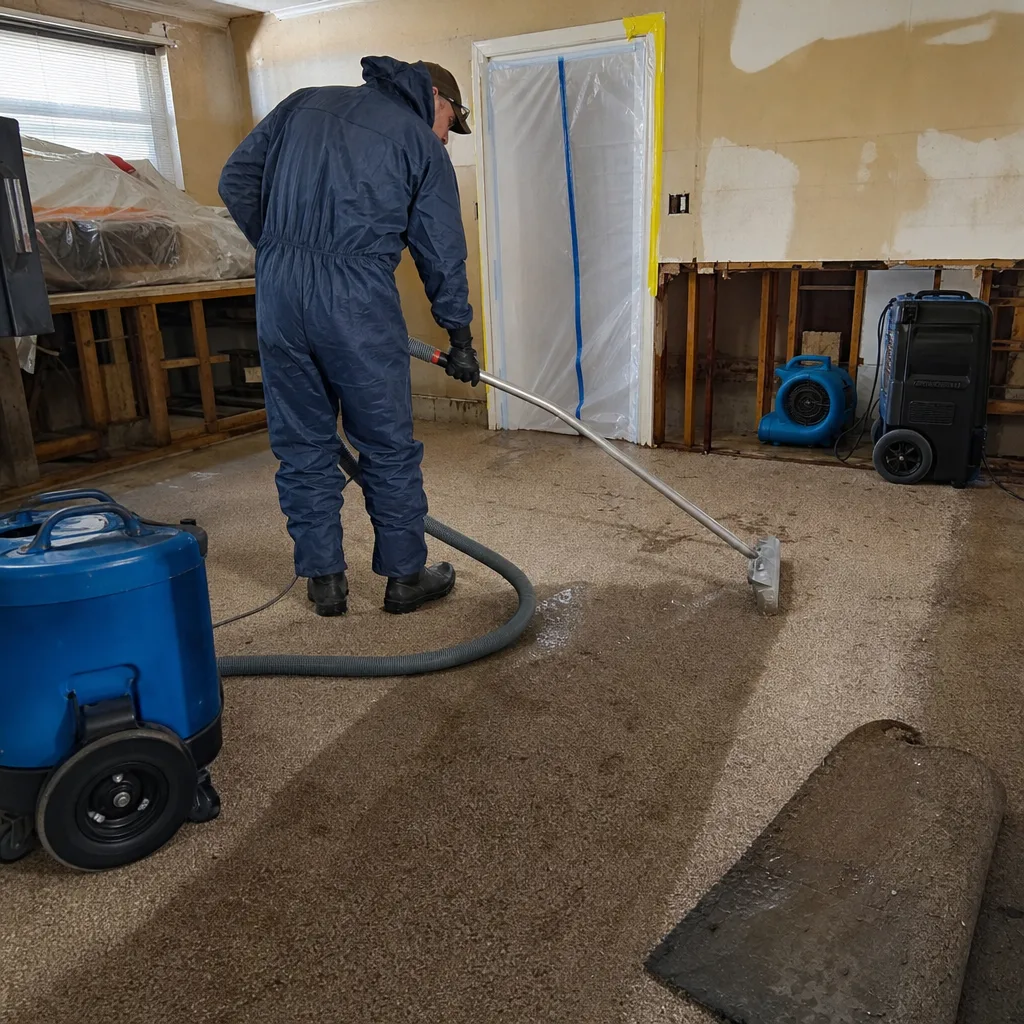
See the difference
 Before
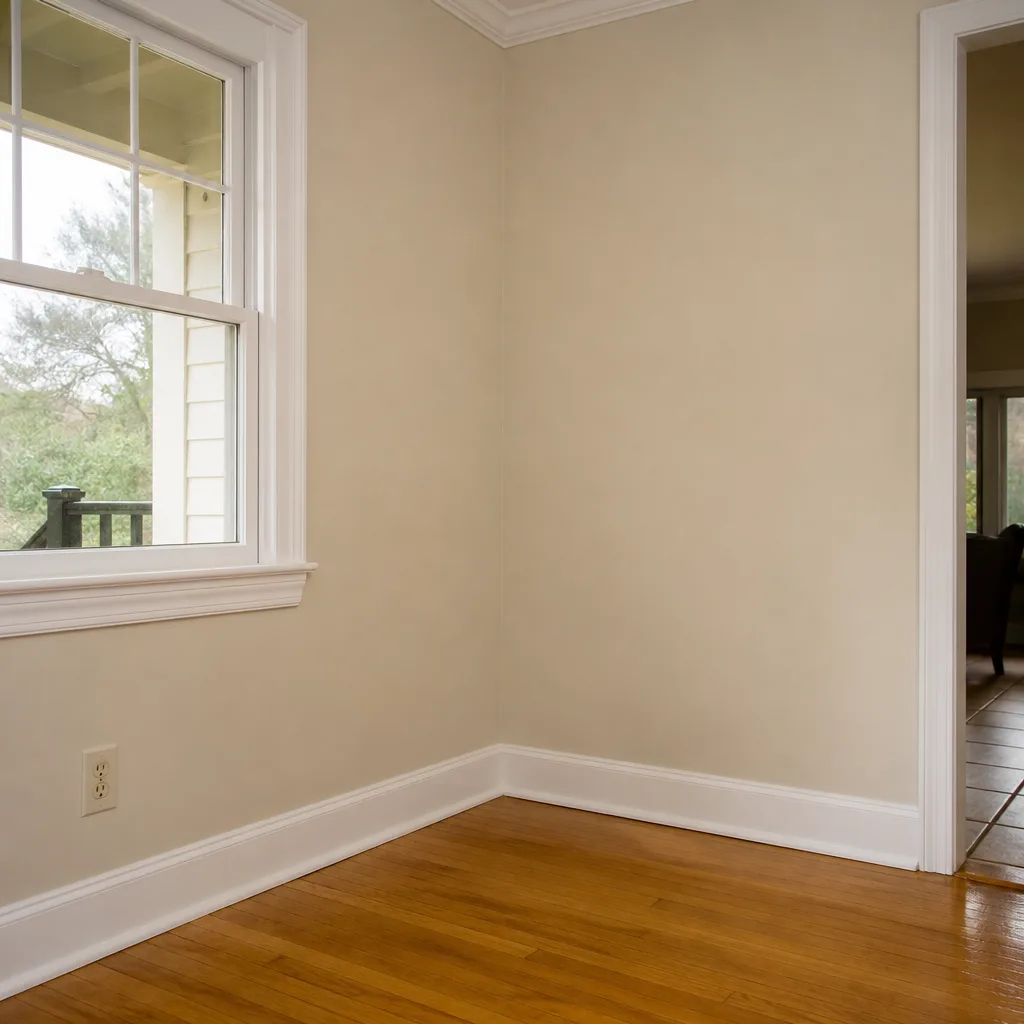
 After
After Before
 After
After Before
 After
After