
 Mold remediation
 Water damage drying
 Fire & smoke cleanup
 Storm response
 Sewage cleanup
 Reconstruction
Free visual inspection and a written scope of work before any mitigation begins - photos, moisture readings, and drying logs go in your claim file
The scope we write is the scope we bill. Anything new gets shown to you, in writing, before we touch it.
Get your free estimateFast, Reliable Mold Remediation Across Dallas
Mold remediation in Dallas typically costs $1,800 to $6,500 depending on square footage, moisture source, and whether structural drying is required. Most jobs in Dallas are completed within 3 to 7 days, with emergency containment starting the same day you call. If you’re seeing black spots on drywall, smelling musty air, or dealing with a recent leak in a pier-and-beam home, call (254) 857-5210 now. We dispatch crews to every Dallas neighborhood, from Lakewood to Oak Cliff to Far North Dallas, and someone answers the phone 24 hours a day.
Dallas mold problems are rarely just surface stains. The city’s expansive clay soil shifts constantly between summer drought and spring downpours, cracking slab foundations and letting groundwater wick into wall cavities. That hidden moisture is what turns a small patch of mold into a recurring nightmare. Our Mold Remediation team deals with the moisture first, then the mold. You get a written price before any work starts, and every repair is backed by the 365-Day Done Right Promise.
Why Keegan Restoration Dallas Is Dallas’s Preferred Mold Remediation Company
Keegan Water Damage Restoration has been part of the Garrison Partners family since 2005, and our Dallas crews run every job to The Garrison Standard: written price before work starts, background-checked uniformed technicians, and a full-year written guarantee on every repair. Dallas homeowners call us because we document everything, we explain the drying science in plain language, and we don’t walk off a job until the moisture meters read clean.
We know Dallas housing stock. The 1920s-1950s pier-and-beam homes in Lakewood, East Dallas, and the M Streets have cast-iron and galvanized plumbing that rusts from the inside out. The 1960s-1980s slab-on-grade tract housing across Richardson, Garland, and Lancaster sits on clay that shifts with every rain. Our crews have worked both types enough to know where the hidden moisture hides before we even cut into the drywall.
Our tenants and homeowners tell us the same thing: they’ve been burned by contractors who quoted one price over the phone and a different one at the door. That doesn’t happen here. Shane Pruitt runs this location on a simple rule: the price goes in writing before any work begins, and it never moves unless the scope changes and you approve it first. Calls are answered by a live person, day or night.
Restoration work we handle
Mold Remediation Services in Dallas
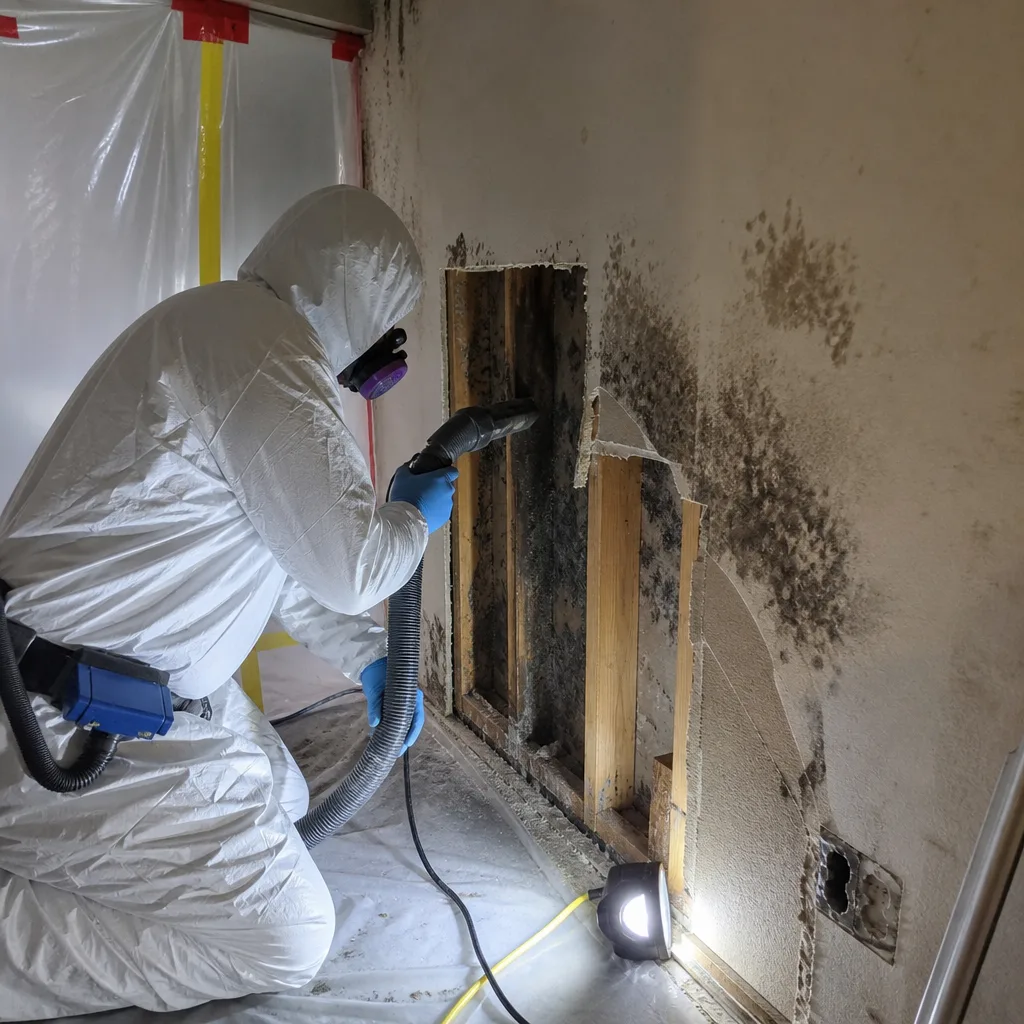
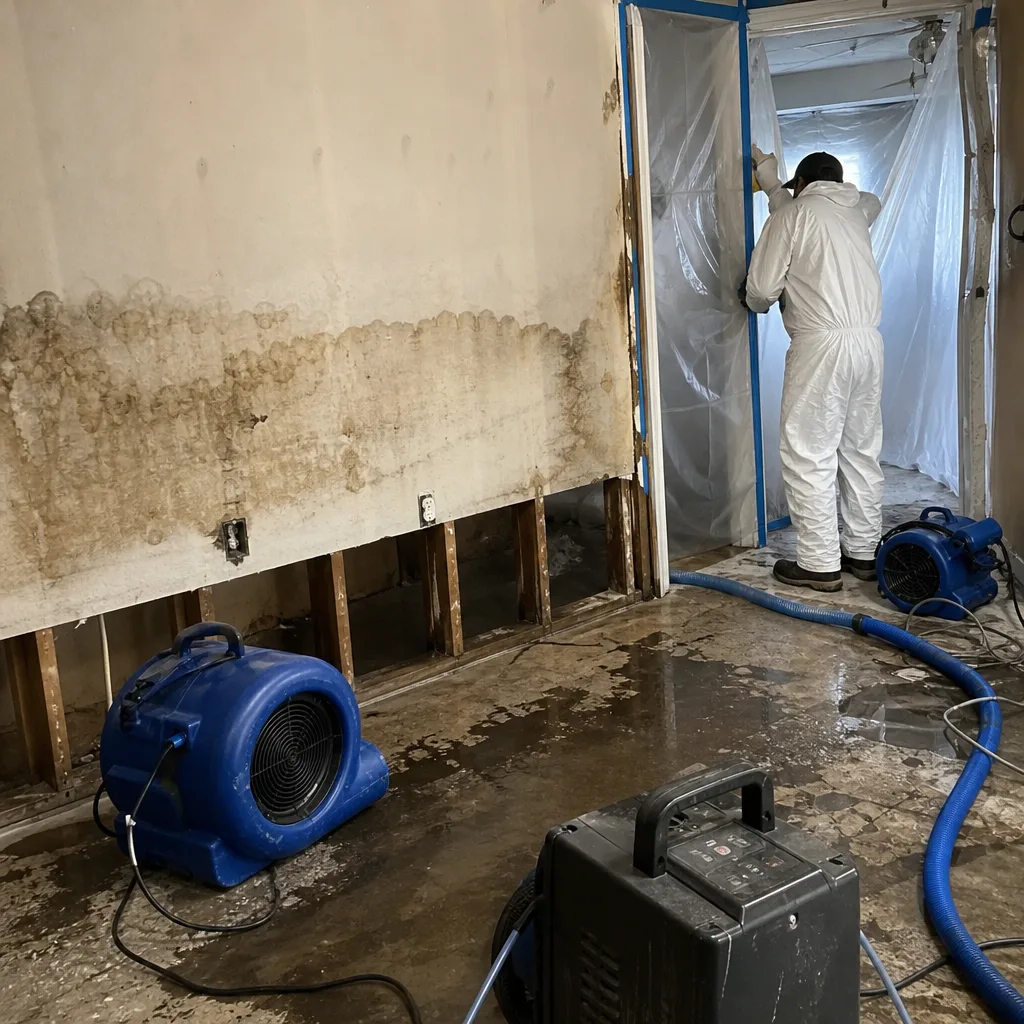
Mold remediation services in Dallas start with moisture mapping, not demolition. Our technicians use thermal imaging and penetrating moisture meters to find every wet cavity behind the drywall, under the floor, and inside the joist bays before we open a single wall. In Dallas’s older pier-and-beam homes, that mapping often reveals water traveling horizontally from a pinhole pipe leak in one room to the sill plates in the next. We contain the affected area with negative air pressure, remove contaminated porous material, treat remaining surfaces with antimicrobial agents, and run professional-grade drying equipment until the structure reads dry.
A typical Dallas mold remediation job runs $1,800 to $4,200 for contained bathroom or closet mold, and $4,000 to $6,500 when structural drying and crawlspace treatment are involved. Every job ends with a written drying log and photo documentation formatted to support your insurance claim.
Mold Inspection and Testing
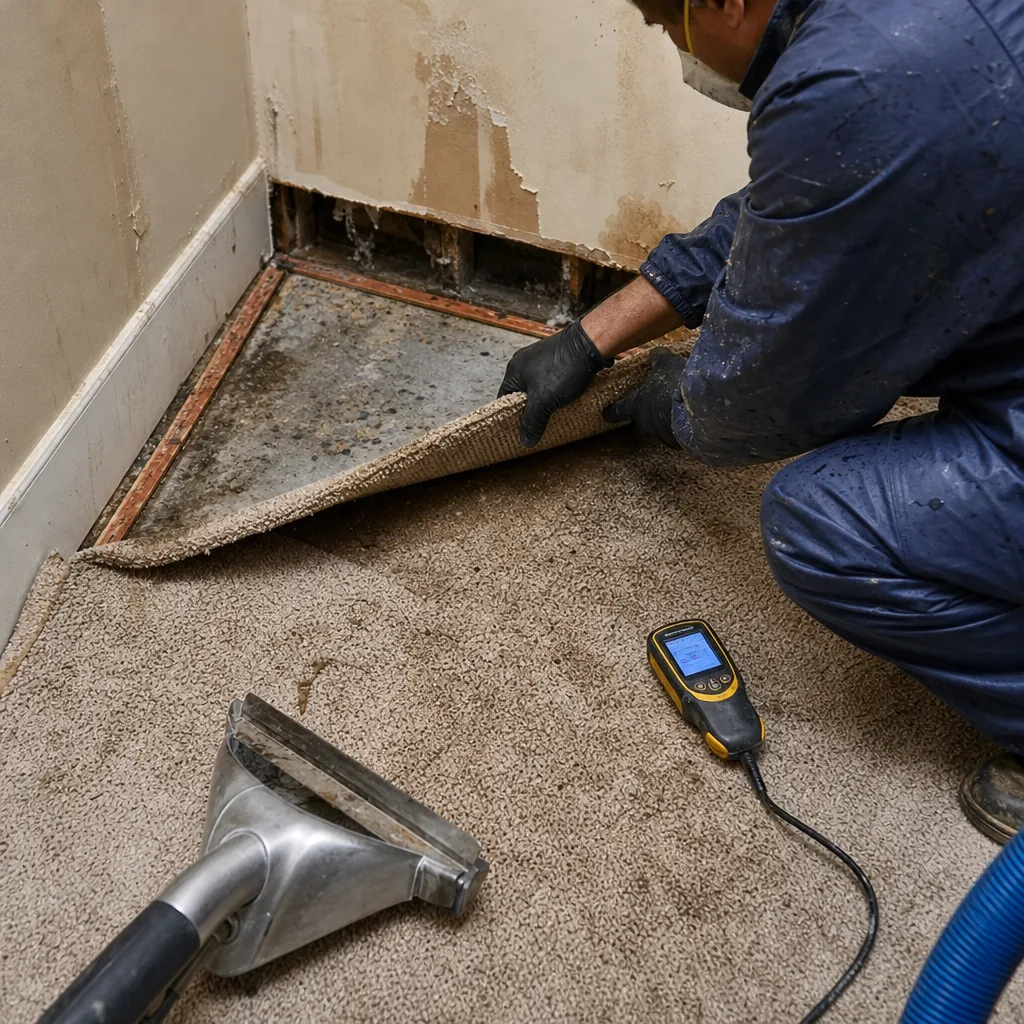
Before remediation, we identify the moisture source causing the bloom. A hand-held moisture reading on drywall only tells you the surface is wet. We go deeper, checking the bottom plates, the sill plates, and the crawlspace or slab for the water path that keeps feeding the mold. In Dallas slab homes, that often means hairline foundation cracks wicking groundwater up into the walls after every rain.
Black Mold Remediation
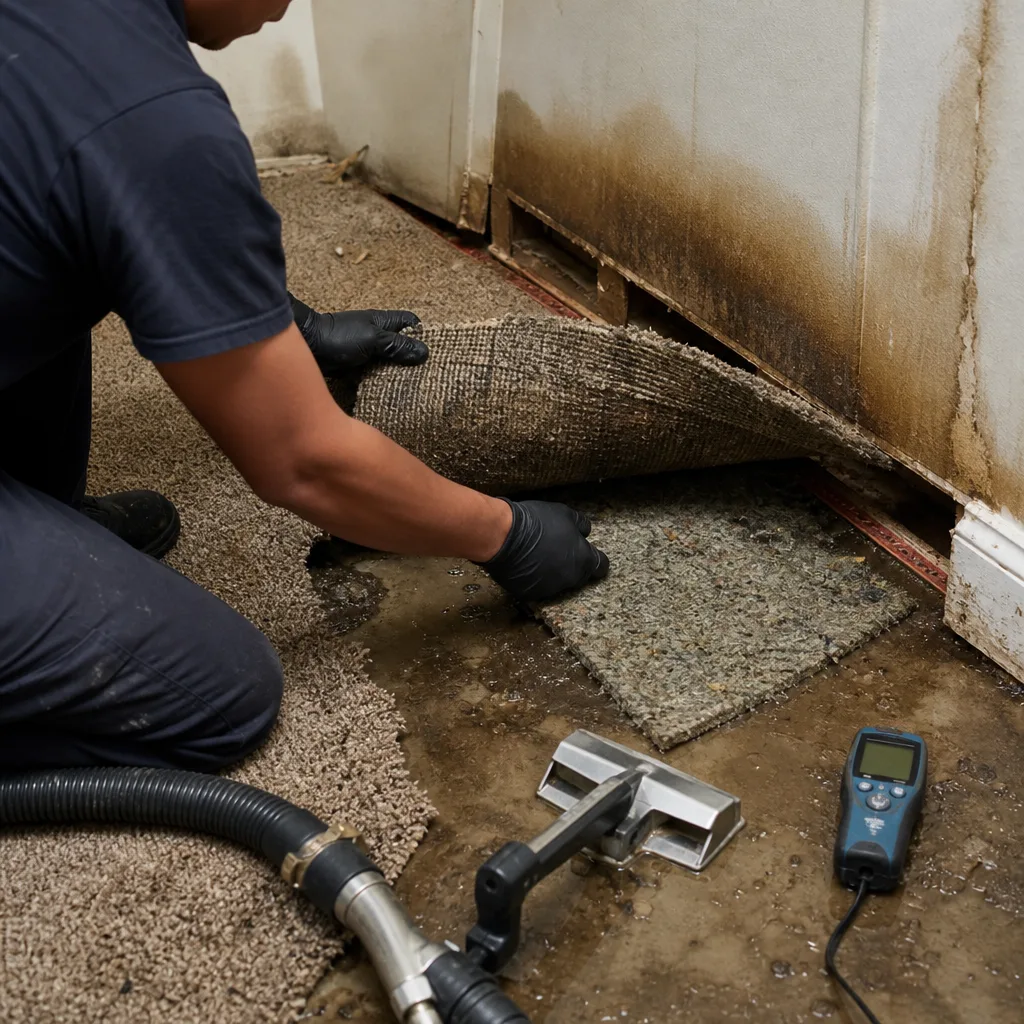
Black mold in Dallas homes typically appears in bathrooms with poor ventilation, under leaking supply lines, and in crawlspaces where groundwater seeps through foundation vents. Our crews treat this as a contamination job, not a cleaning job. We contain the space, remove the affected drywall or insulation, and apply the right antimicrobial treatment before the drying equipment goes in. If you see black spots spreading across a wall or ceiling, call (254) 857-5210 the same day. The longer it sits, the larger the contained area gets, and the higher the cost.
What happens when you call
- 1
A real person answersNo phone trees - you reach a local pro.
- 2
You get an upfront price rangeHonest numbers before anyone is dispatched.
- 3
A background-checked tech heads outLicensed & insured, dispatched right away.
- 4
You approve before work beginsNothing starts until you say go.
Professional Mold Removal in Dallas
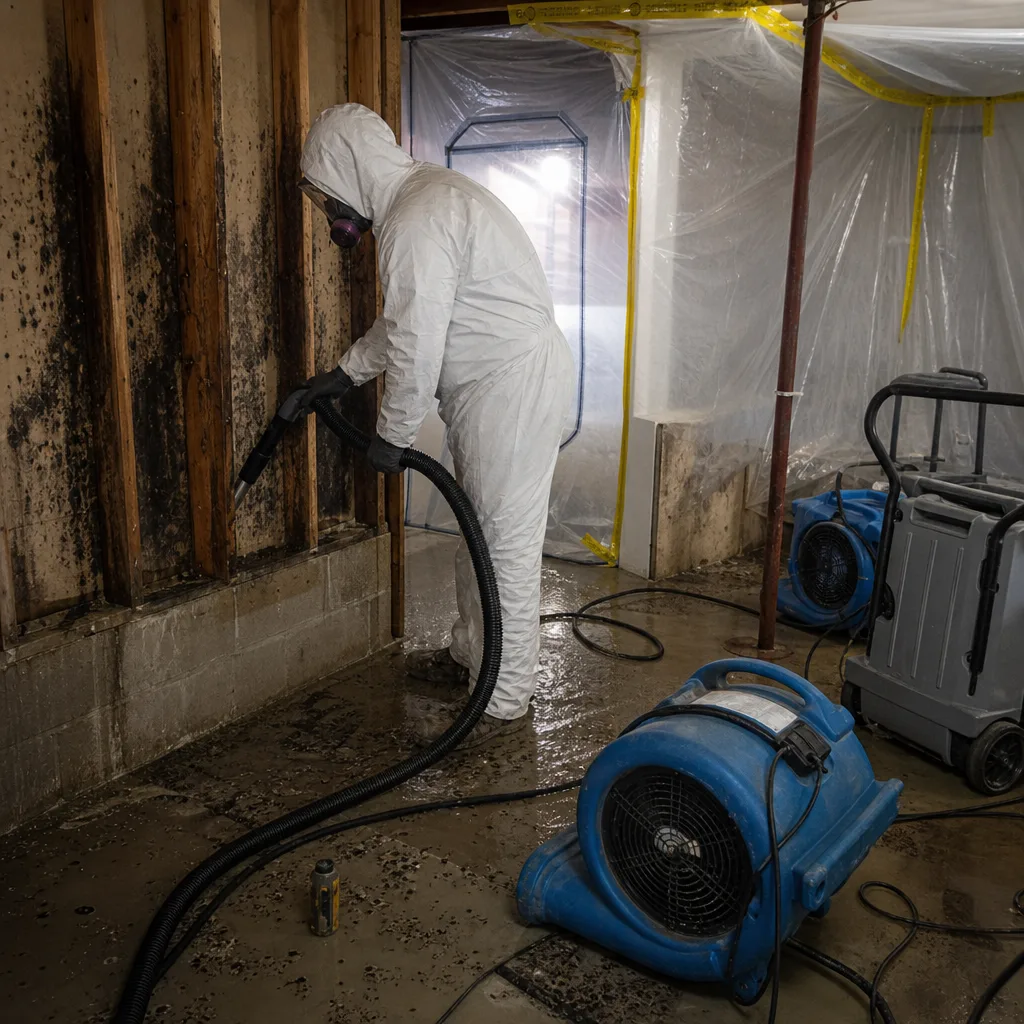
Professional mold removal in Dallas means removing the material that holds mold, not just wiping visible spores off the surface. Drywall, carpet pad, and insulation that have soaked up category 3 flood water or absorbed groundwater from a shifting slab cannot be saved by sanding or bleaching. Our team cuts out the contaminated material under containment, bags it for proper disposal, treats the framing and surrounding structure with antimicrobial products, and runs drying equipment until the moisture content in the wood reads below what mold needs to grow.
In Dallas pier-and-beam homes, professional mold removal often requires accessing the crawlspace to remove wet sill plates and flooring that a visual inspection would miss. Slab homes present a different problem: the concrete itself doesn’t rot, but the water wicking up through foundation cracks soaks the wall bottom plates and the drywall that touches them. Both situations get handled the same way at Keegan: the scope is written, the price is set, and the work is documented end to end.
Air Quality Restoration
Mold remediation doesn’t end when the visible mold is gone. Airborne spores travel through HVAC ducts and settle in rooms far from the original bloom. We run HEPA-filtered air scrubbers during the job and perform post-remediation air quality verification before we take down the containment. In Dallas, where summer humidity drives indoor moisture levels up, that verification step matters: a spore count that’s still elevated today becomes a new bloom by September.
Crawl Space Treatment
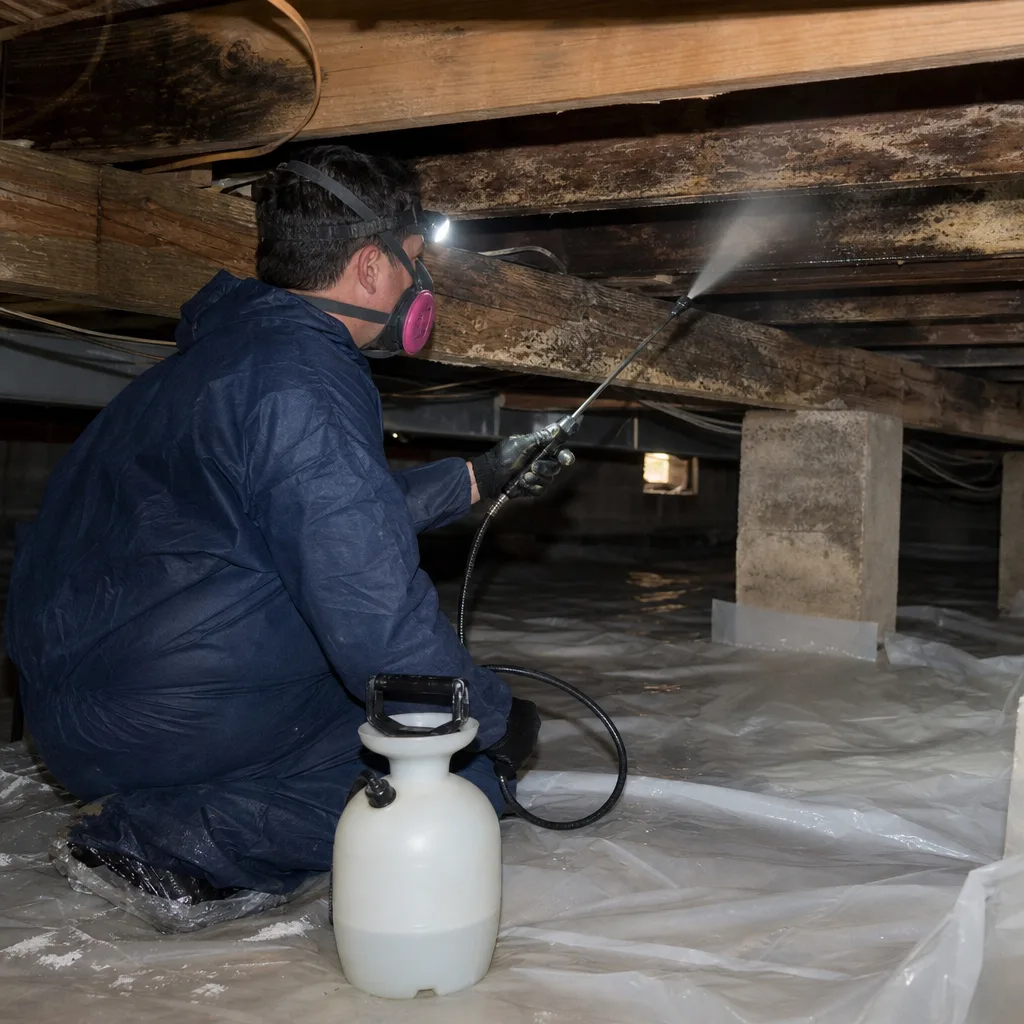
Crawlspaces under Dallas’s older homes are where mold problems usually start. Ground moisture evaporates up through the soil, collects on floor joists and subflooring, and feeds the mold you eventually smell in the living room. We install vapor barriers, treat the affected framing, and add or reposition ventilation so the space dries properly. This isn’t a quick spray job; it’s structural drying below the floor line, which is why crawlspace treatment is factored into every pier-and-beam remediation we scope.
Trusted Brands We Service in Dallas
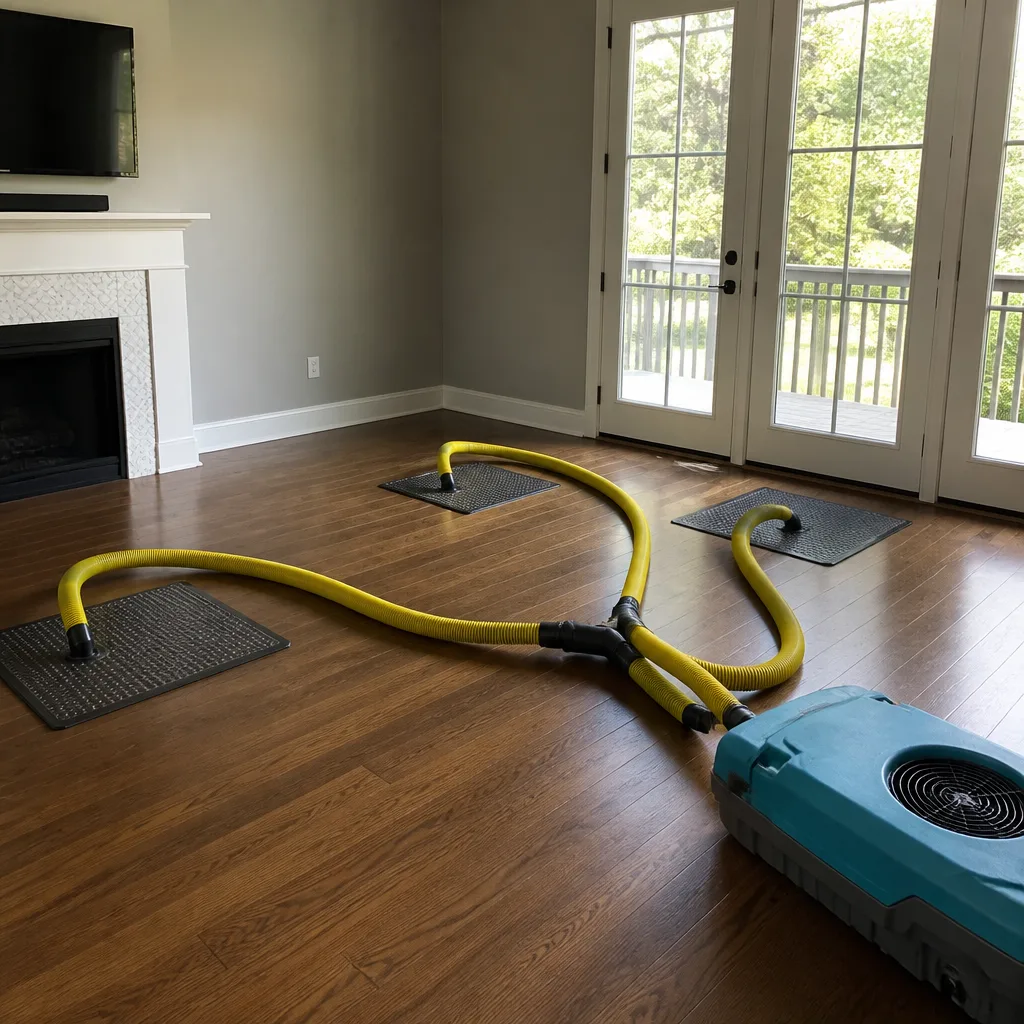
We’re factory-trained on the equipment we run and the products we apply, and we stock replacement air movers, dehumidifiers, and containment supplies locally so Dallas jobs don’t stall waiting on parts. Our drying fleet runs Phoenix air movers and Dri-Eaz dehumidifiers, the same brands used in IICRC-standard restoration work across North Texas. We also run B-Air and XPOWER units for high-heat and tight-space drying, and our Injectidry systems handle the low-pressure, long-dwell drying that wall cavities and under-cabinet spaces require. When you call us for mold remediation in Dallas, the equipment that shows up is professional-grade, and the technicians running it carry current IICRC and RIA certifications.
See the difference
 Before
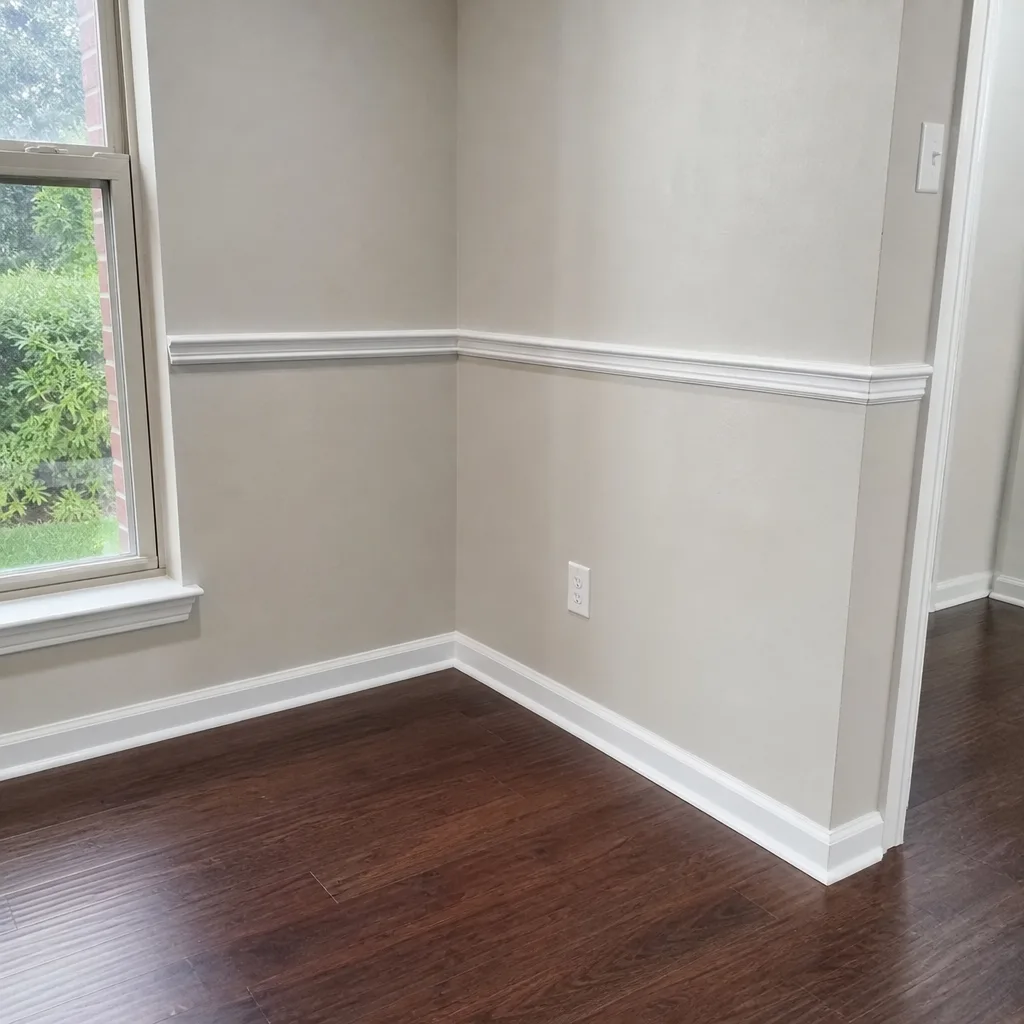 After
After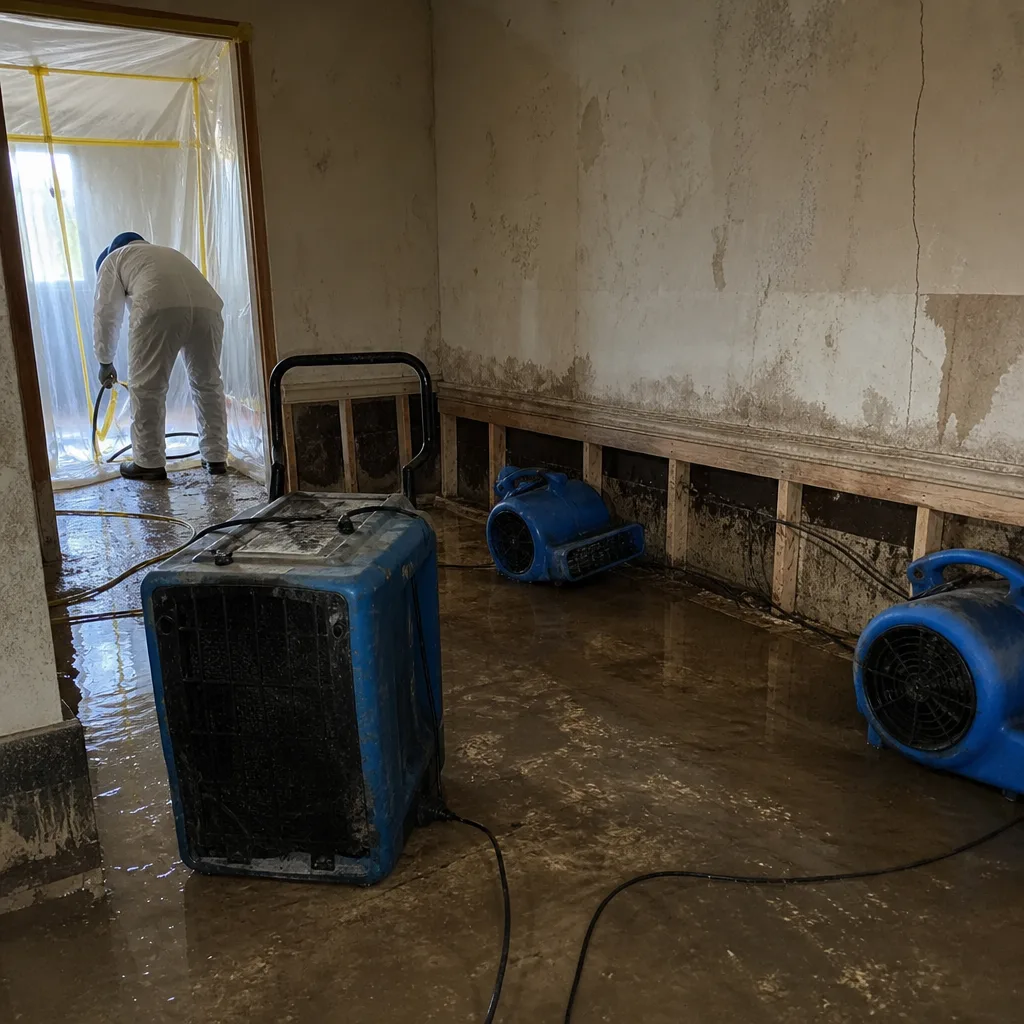 Before
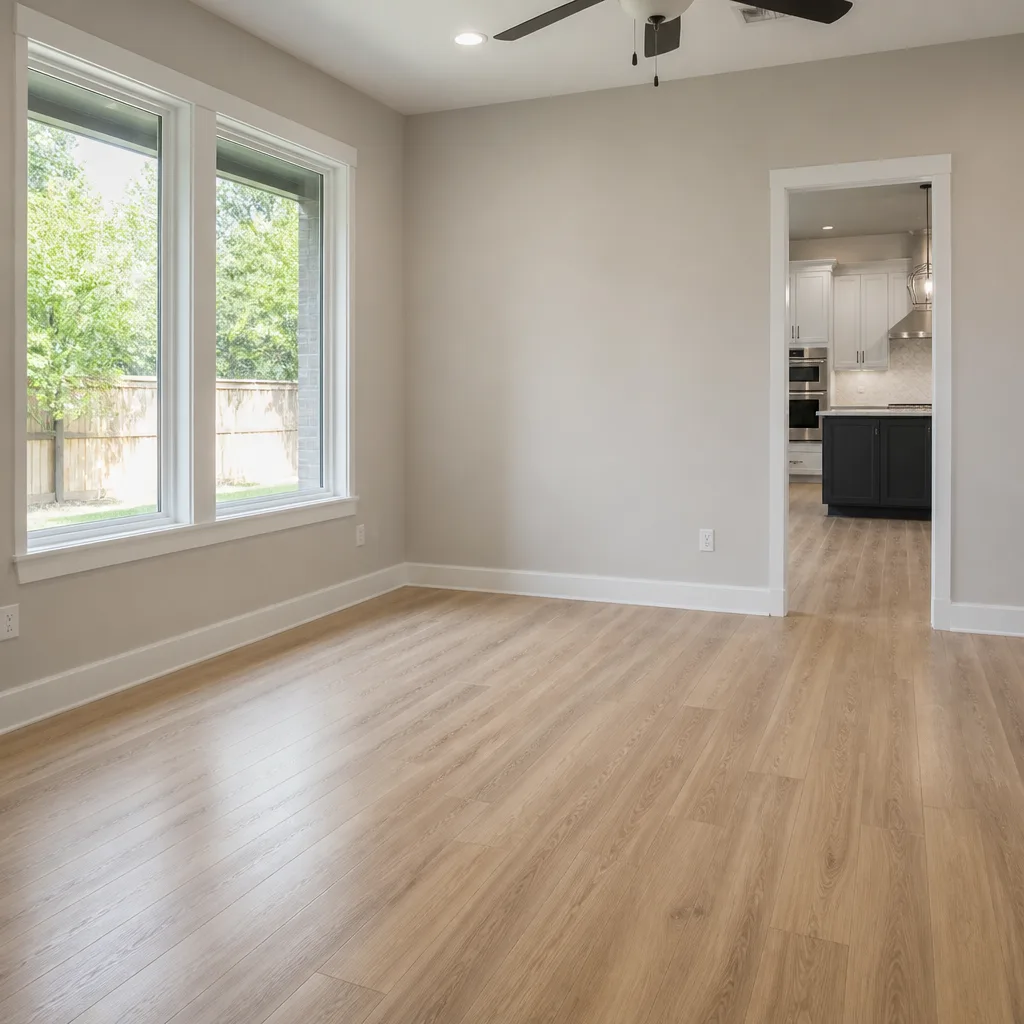 After
After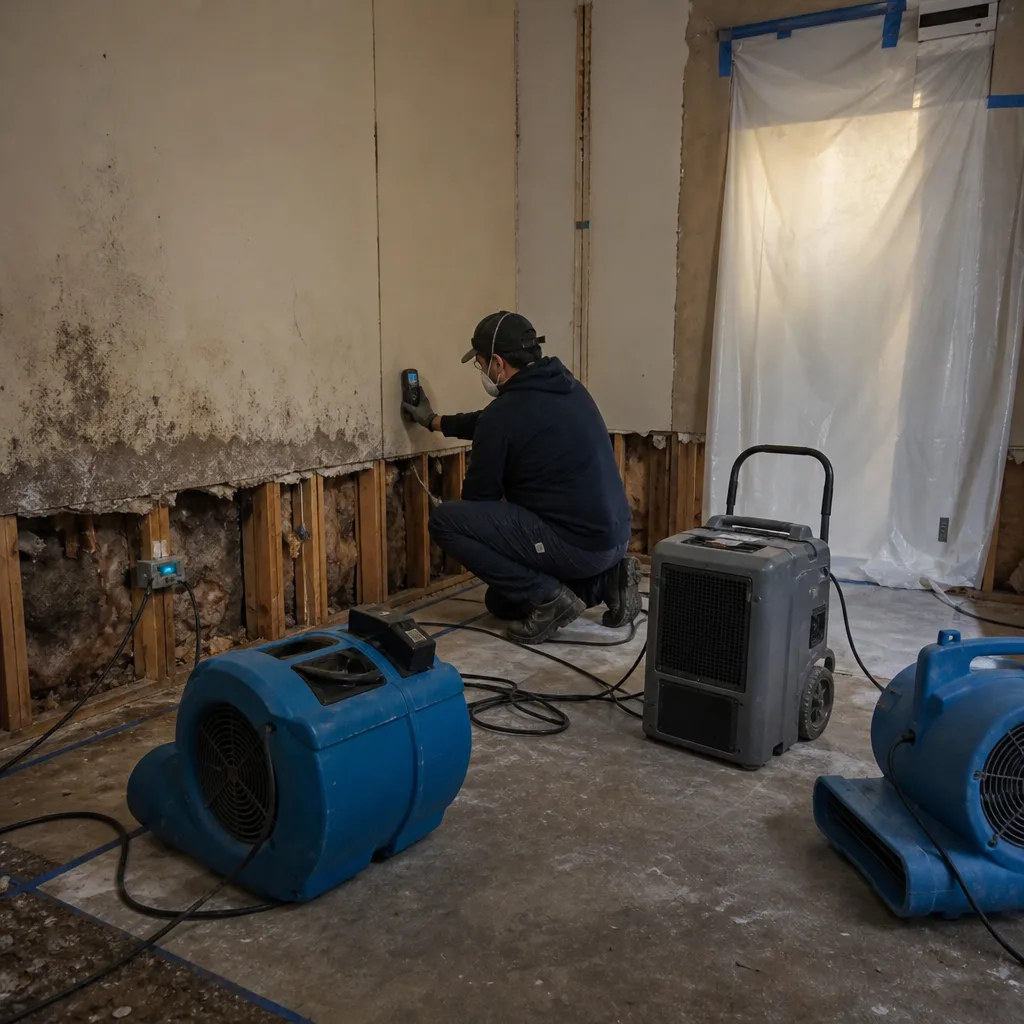 Before
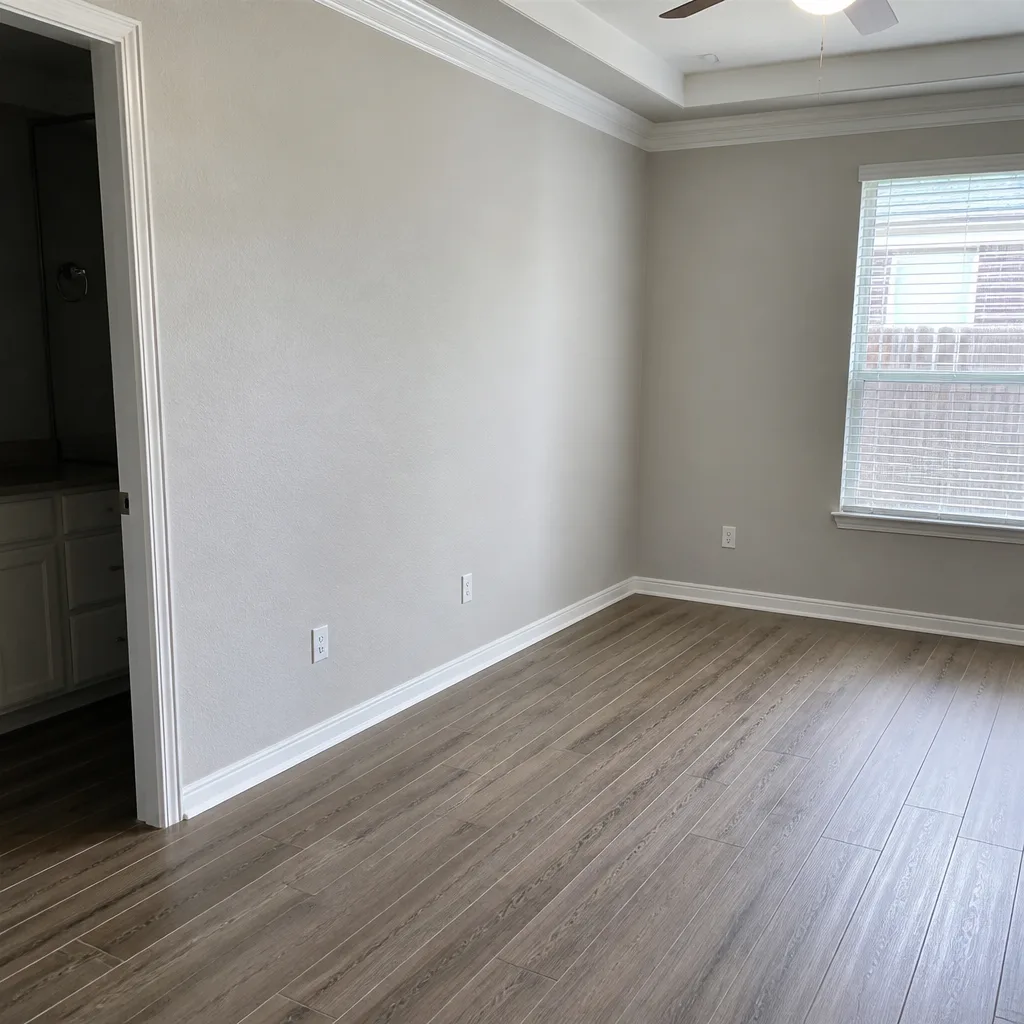 After
AfterCommon Mold Remediation Problems We See in Dallas Homes
- Galvanized pipe pinhole leaks in pier-and-beam homes. The original plumbing in 1920s-1950s Lakewood and East Dallas homes rusts from the inside, leaking small amounts of water into joist bays for months or years before anyone notices. By the time the ceiling stains or collapses, the mold has already spread through the floor framing.
- Slab foundation shifts reopening moisture paths. Dallas clay soil swells after heavy rain and shrinks in summer drought. Each cycle can crack and heave the slab, letting groundwater seep into wall bottom plates and feeding mold behind baseboards. Surface mold treatment alone doesn’t fix this; the moisture source keeps returning.
- Category 3 black water left in place after flash floods. When Dallas gets hit with a sudden downpour and sewer or flood water enters a home, the sill plates and lower wall cavities soak up contaminated water. Some crews dry the visible drywall and call it done. We cut out and replace the soaked porous material because you cannot remediate mold from material that’s already contaminated.
- Handheld moisture readings that miss hidden cavities. A single-point moisture check on a slab floor tells you nothing about the wall cavity three feet away. We use moisture mapping across the entire affected area, including joist bays and sill plates, because a Dallas mold problem that looks small is often hiding a structural moisture issue two rooms over.
Pricing for Mold Remediation in Dallas, TX
Here’s what Dallas homeowners should expect for mold remediation, based on the scope we typically see:
- Contained bathroom or closet mold (up to 30 sq ft): $1,800 to $2,800
- Single-room remediation with structural drying: $2,500 to $4,200
- Multi-room or crawlspace remediation: $4,000 to $6,500
- Mold inspection with moisture mapping and written report: $350 to $600
- Air quality testing with third-party lab results: $250 to $500 per sample
What drives the cost in Dallas is usually hidden moisture. A simple bathroom mold job stays in the low range if the leak was caught quickly. A pier-and-beam home where water has been soaking joist bays for months pushes into the high range because you’re now doing structural drying and possibly framing repair. The good news: we deliver a written price before any work starts, so you know the number before we cut a single hole. Call (254) 857-5210 for a free estimate.
If you’re filing a claim, we document every step with photos, moisture readings, and drying logs formatted to support your insurance adjuster. That documentation is standard on every Keegan job in Dallas, not an add-on.
We Also Serve Cities Near Dallas
Our Dallas crews cover the full metro area, including Addison, Lancaster, Richardson, and Garland. If you’re in a Dallas suburb and dealing with mold from a slab leak or crawlspace moisture, we’re dispatched locally from the Dallas-Fort Worth office and can be at your door inside the response window we give you on the phone. Whether you’re in North Dallas or bordering Addison, you get the same Dallas standard: written pricing, uniformed technicians, and a year-long guarantee.
Serving Dallas, TX - Our Local Coverage Area
We’re based in the Dallas area and know this community well. Use the map below to see our service coverage - if you’re nearby, we can almost certainly help.
FAQs About Mold Remediation in Dallas
Mold can begin growing within 24 to 48 hours after a pipe bursts in a Dallas crawlspace, especially in warm months when the humid air and damp soil accelerate spore growth. The joist bays under a pier-and-beam home stay warm and wet after a leak, which is why we recommend calling (254) 857-5210 the day you discover the problem, not the day after the plumber fixes the pipe. The sooner we set up containment and drying equipment, the smaller the remediation scope stays.
Dallas slabs crack when the clay soil beneath them shrinks in drought and swells after rain, and those cracks create direct paths for groundwater to wick up into wall bottom plates and drywall. You might see only a hairline crack in the slab, but the moisture migrating through it can feed mold behind baseboards for months. Our crews find this pattern regularly in Dallas slab homes, which is why we always map the moisture path before we treat the visible mold.
Yes. Category 3 water from a Dallas flash flood or sewage backup carries bacteria and contaminants, and any saturated drywall, insulation, or carpet pad that absorbed it must be removed and replaced. We cut out the soaked porous material under containment, dispose of it properly, and treat the remaining framing before drying begins. Leaving contaminated drywall in place and just drying the surface sets you up for a mold problem that returns within weeks.
Older Dallas homes in Lakewood and East Dallas were built with galvanized and cast-iron plumbing that corrodes from the inside, producing slow pinhole leaks inside walls and joist bays that never show up as a visible puddle. By the time a stain or ceiling collapse reveals the problem, mold has already spread through the framing. Remediation in these homes means opening the joist bays, not just the drywall, and drying the structural wood before treating and rebuilding.
We address the moisture source, not just the mold. In a Dallas slab home, that means sealing the crack or installing a moisture barrier at the wall bottom plate, improving drainage at the foundation line, and running drying equipment until the framing reads below the threshold where mold can grow. Every Keegan remediation also carries the 365-Day Done Right Promise in writing: if the mold returns within one year, we come back and make it right at no charge. Call (254) 857-5210 and we’ll walk you through the scope before any work begins.
Need a mold problem handled in Dallas today? Call (254) 857-5210 for a free estimate. A live person answers 24/7, and you’ll get a written price before any work starts.
Written by Shane Pruitt, Owner at Keegan Restoration Dallas, serving Dallas and the surrounding metro area with water, fire, and mold restoration.