
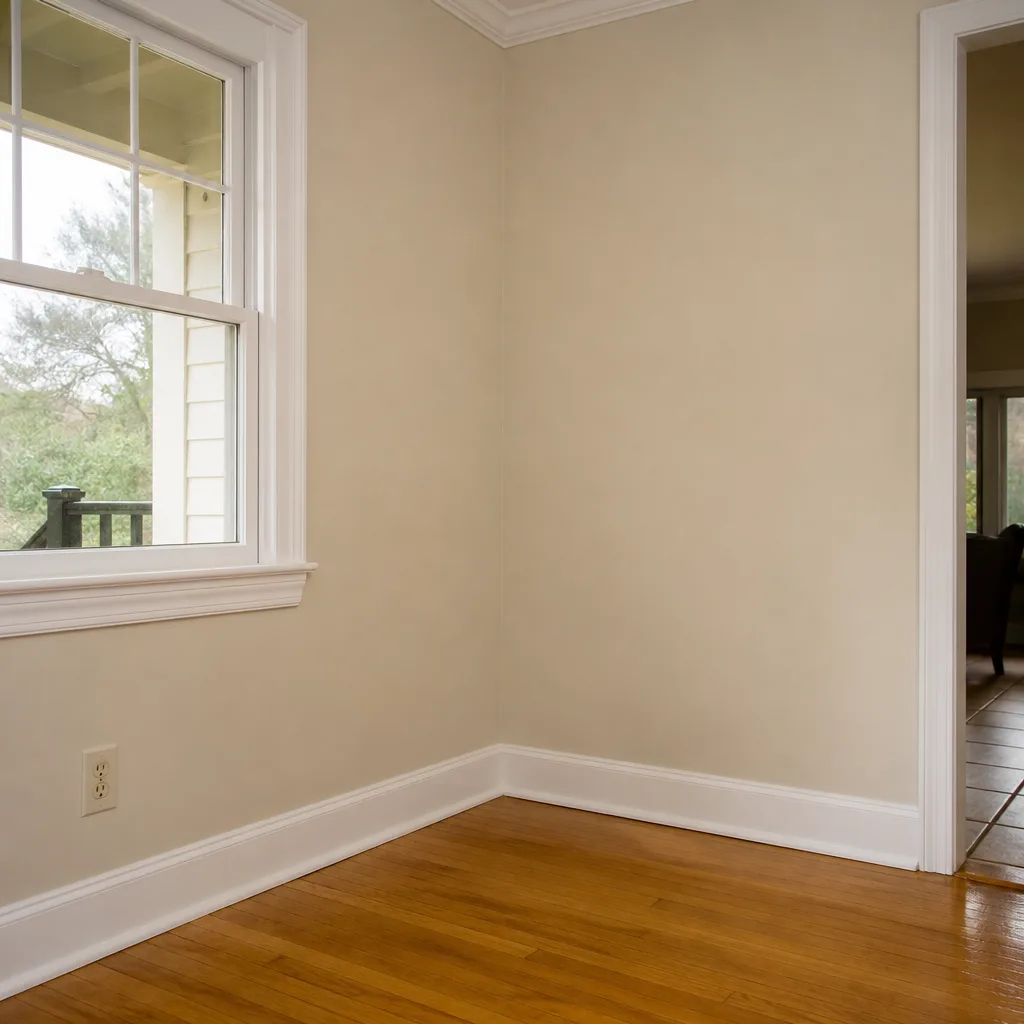
Last updated October 16, 2026
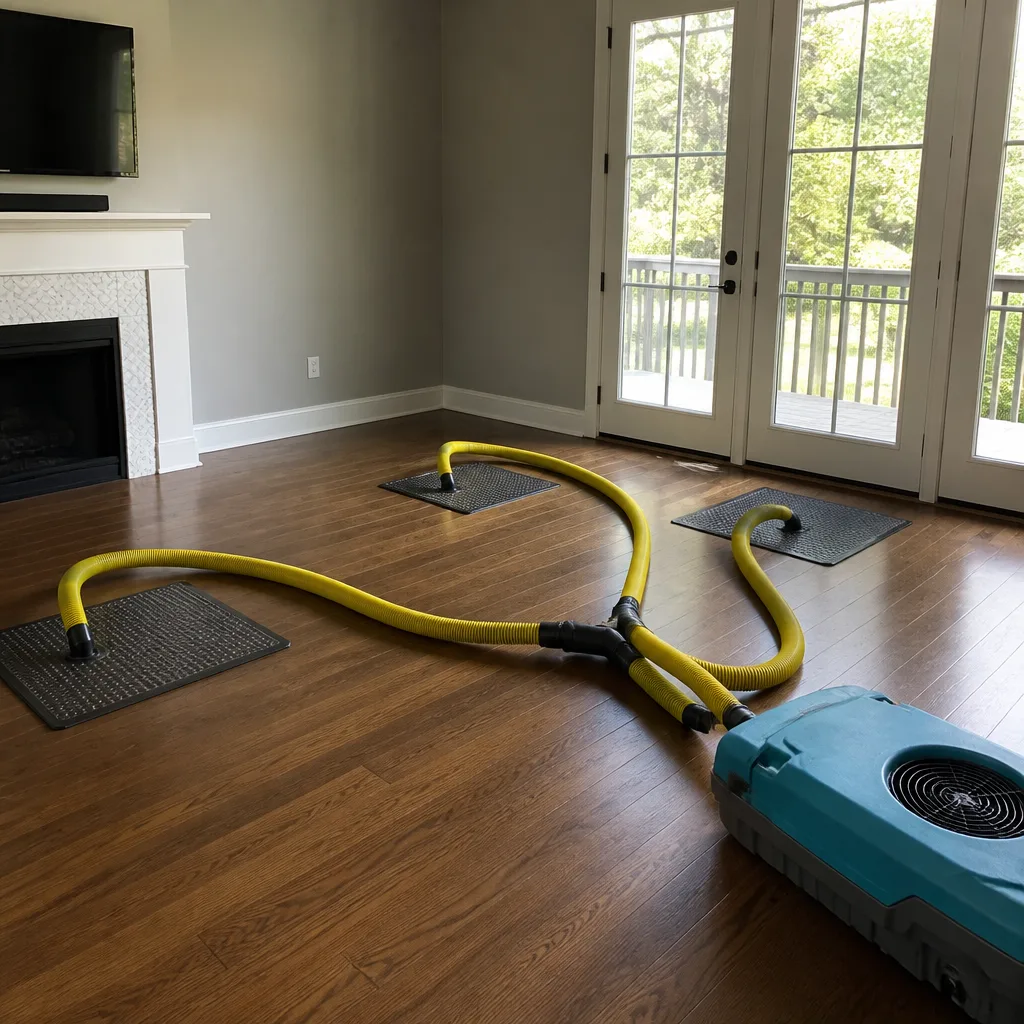 Water damage drying
 Fire & smoke cleanup
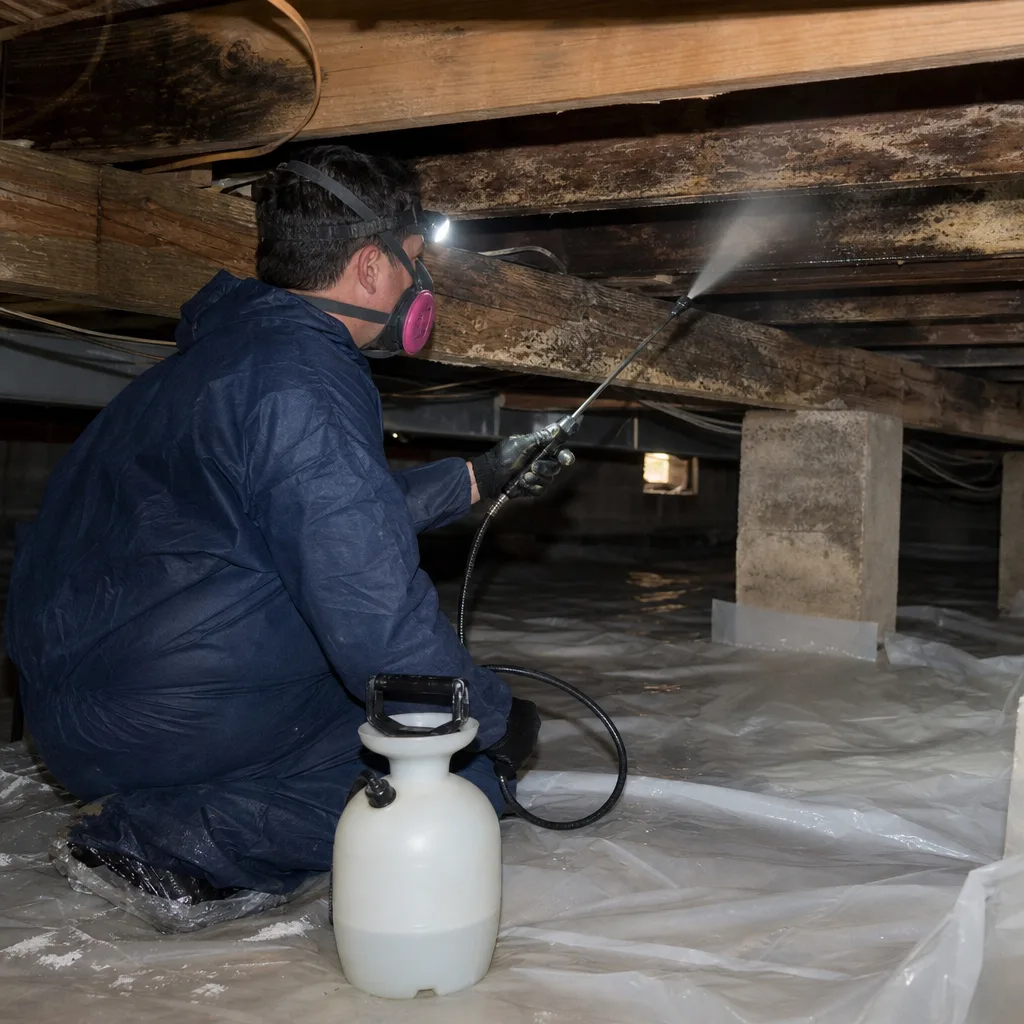
 Mold remediation
 Storm response
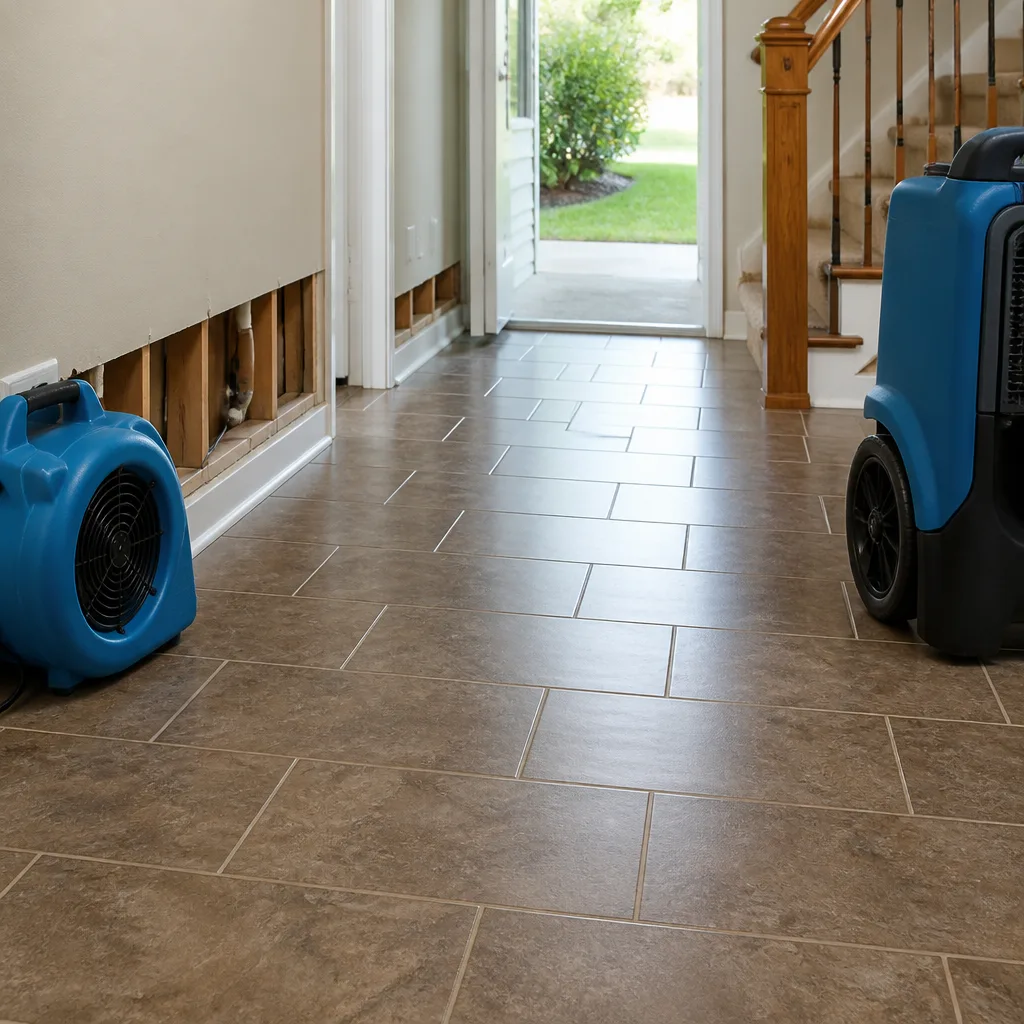 Sewage cleanup
 Reconstruction
Free visual inspection and a written scope of work before any mitigation begins - photos, moisture readings, and drying logs go in your claim file
The scope we write is the scope we bill. Anything new gets shown to you, in writing, before we touch it.
Get your free estimateThe Complete Guide to Damage Restoration in Dallas
After a major storm event, the Texas Department of Insurance logs thousands of contractor complaints, and the majority are tied not to bad repairs but to undisclosed price changes that happened after work began. A homeowner agrees to a number, the crew finds “additional damage,” and suddenly the final bill is 40 percent higher than the signed estimate. That pattern repeats across Dallas every time a hailstorm or freeze event rolls through. This guide exists to stop it from happening to you. By the time you finish reading, you will know the exact sequence of steps for water, fire, and mold restoration in Dallas, how to read a scope of work document with a critical eye, what legitimate insurance documentation looks like, and how to tell the difference between a contractor running a disciplined operation and one performing a template. Dallas is a restoration market unlike most, and knowing the process in advance is the single best defense against being overcharged or under-restored.
Restoration work we handle
Quick Answer
Damage restoration in Dallas follows a three-phase sequence: mitigation (stopping the active damage), remediation (removing contaminated materials and treating affected surfaces), and reconstruction (rebuilding what was removed). Water jobs require extraction, structural drying, and moisture verification before any rebuild. Fire jobs require soot classification, odor neutralization, and structural cleaning before sealing. Mold jobs require source correction, containment, removal, and clearance testing. In all three, a legitimate contractor puts the price in writing before work starts and documents every step to support your insurance claim. Skipping any phase costs more later, and in Dallas’s clay-soil and freeze-thaw climate, hidden moisture behaves differently than the national franchise playbooks assume.
Table of Contents
- The Three Phases: Mitigation, Remediation, and Reconstruction
- Water Damage Restoration in Dallas: The Full Sequence
- Fire Damage Restoration in Dallas: Soot, Smoke, and Structure
- Mold Remediation in Dallas: Containment and Clearance
- Why Dallas Clay Soil and Freeze-Thaw Cycles Change Everything
- How to Read a Scope of Work Document
- Insurance Documentation: What a Legitimate Contractor Generates
- Common Mistakes to Avoid
- When to Call a Professional
- Frequently Asked Questions
- The Bottom Line
The Three Phases: Mitigation, Remediation, and Reconstruction
Most homeowner confusion starts here. The restoration industry uses three distinct terms, and they are not interchangeable. When a contractor blurs them together, scope gaps appear and you pay for it later.
Mitigation is the emergency response. It is the work that stops active damage from spreading: extracting standing water, boarding up a fire-damaged window, setting up containment on a mold-affected room, tarping a roof. Mitigation is what happens in the first hours and days. The goal is simple: prevent the loss from growing. A pipe that floods a hallway at 8 a.m. will have affected the baseboards, drywall, and possibly the subfloor by noon. Mitigation stops that progression.
Remediation is the removal and treatment phase. It is where contaminated materials come out: drywall cut away, carpet and pad pulled, insulation removed, affected studs treated. Remediation also includes the invisible work: antimicrobial application, HEPA vacuuming, odor neutralization, and the drying process that brings materials back to acceptable moisture content. In Dallas, remediation is where shortcuts show up most often because it is the least visible phase. You cannot see what was not removed behind a wall.
Reconstruction is the rebuild. New drywall, paint, trim, flooring, cabinetry. This is the phase homeowners are most comfortable evaluating because it looks like a remodel. But reconstruction quality depends entirely on what happened in the two phases before it. New drywall installed over a still-damp stud cavity will fail within a year, and paint will not hide the mold that follows.
The sequence matters because skipping mitigation means the damage spreads. Skipping remediation means the rebuild fails. Skipping reconstruction simply means you live in a stripped-out house. A disciplined restoration company in Dallas treats these as three separate, documented phases, each with its own pricing and its own completion standard. If a contractor cannot explain the difference clearly, walk away.
Water Damage Restoration in Dallas: The Full Sequence
Water damage is the most common restoration call in Dallas. Burst pipes from freeze events, slab leaks from shifting clay soil, water heater failures, and storm-driven roof leaks all send water where it does not belong. Here is the sequence a proper job follows, step by step:
- Emergency contact and dispatch. A live person takes the call and starts the clock. Water in Dallas moves fast, especially in summer when indoor temperatures accelerate microbial growth.
- Source identification and stop. The water source is located and shut off. If it is a slab leak, the main line is cut. If it is a roof puncture, a tarp goes up. No drying begins until the water stops coming in.
- Documentation of the loss. Photos are taken of every affected surface before anything moves. Moisture meters record baseline readings. This is the documentation your insurance adjuster will reference.
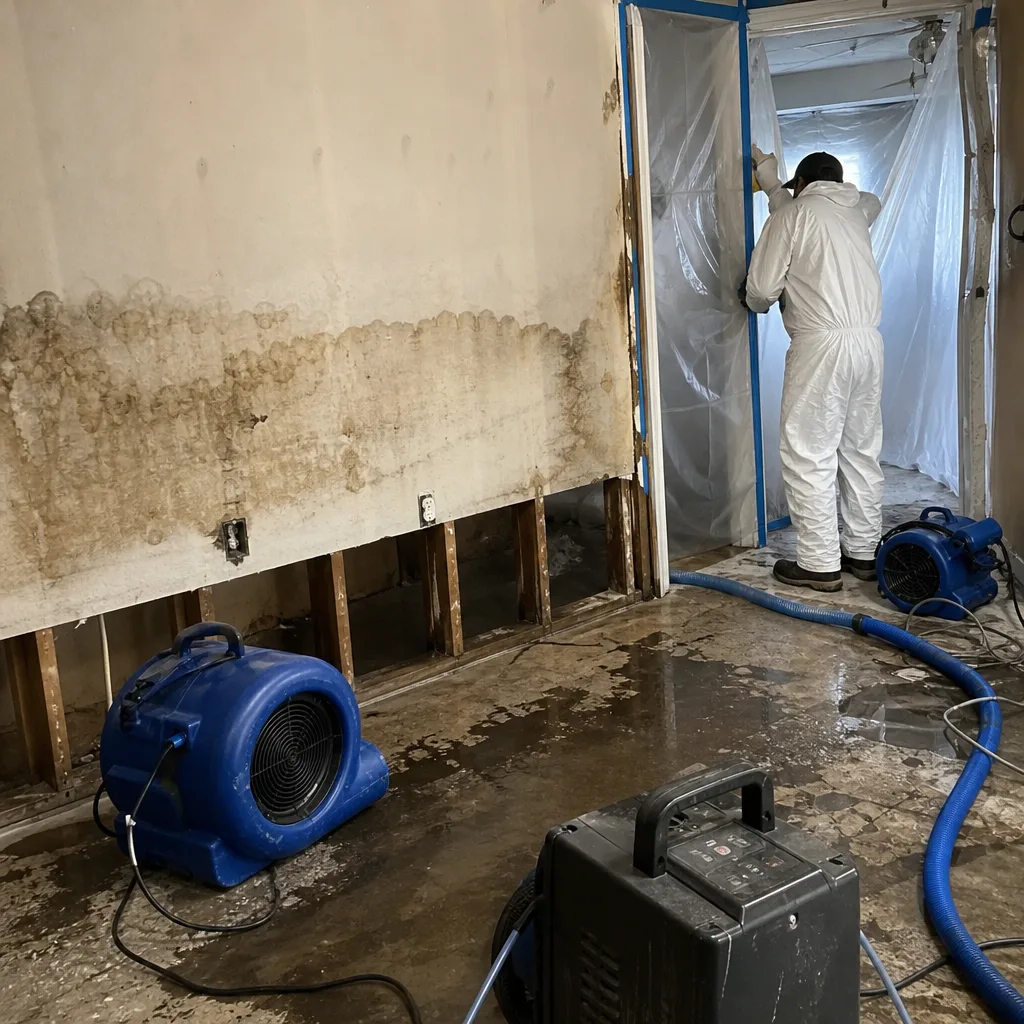
- Water extraction. Professional-grade extraction units pull standing water from carpet, pad, and hard surfaces. The goal is to remove as much liquid water as possible before drying begins. Extraction equipment from brands like Dri-Eaz moves hundreds of gallons per hour, far beyond what a shop vac can manage.
- Selective demolition. Materials that cannot be economically dried are removed: soaked carpet pad, sagging drywall, delaminated baseboards. The cuts are straight and squared, not ragged, because clean cuts make reconstruction simpler and cheaper.
- Structural drying. Air movers and dehumidifiers are placed according to psychrometrics, which is the science of how moisture moves through air and materials. This is not a “set it and forget it” process. Moisture readings are taken daily, equipment is repositioned as readings change, and the drying chamber is monitored until every affected material reaches its drying goal.
- Verification and documentation. Final moisture readings confirm the structure is dry. The readings are logged. The drying equipment comes out only when the numbers say it is time, not when the rental clock runs out.
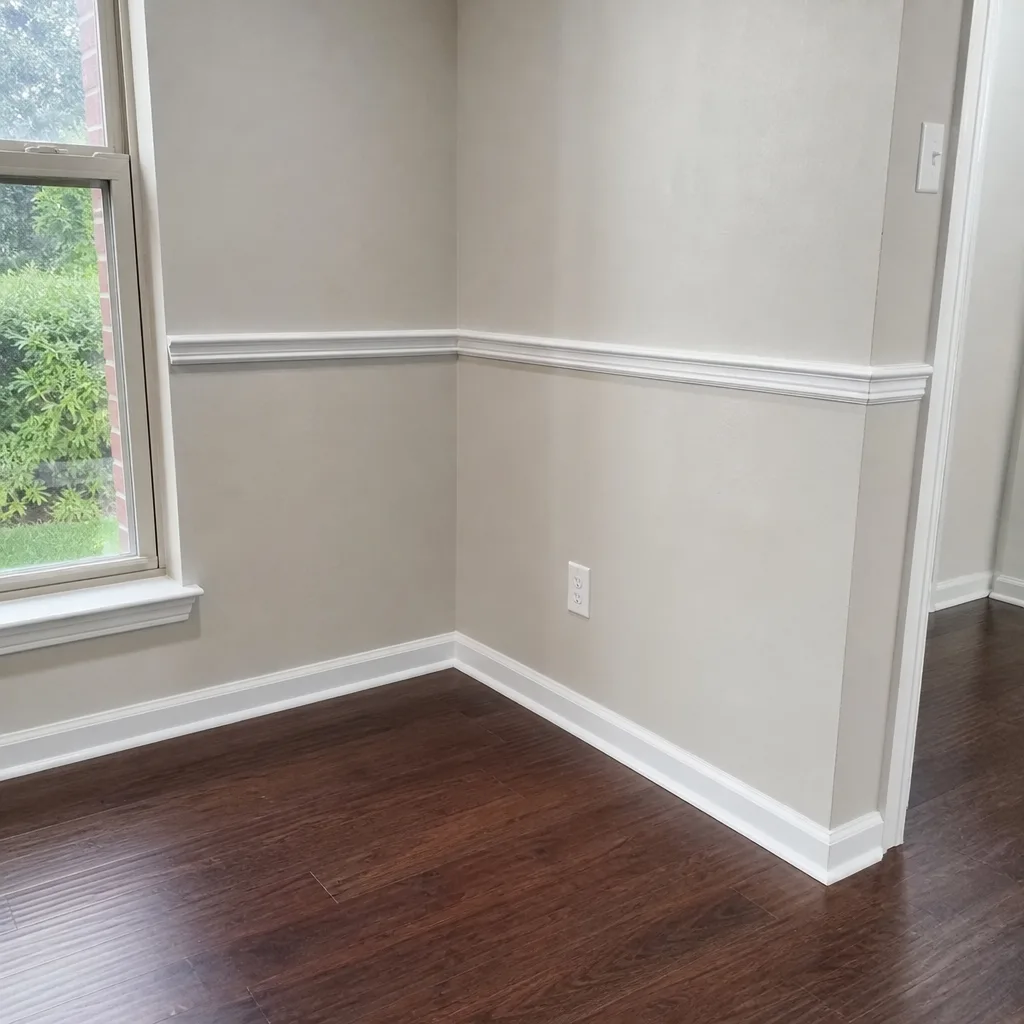
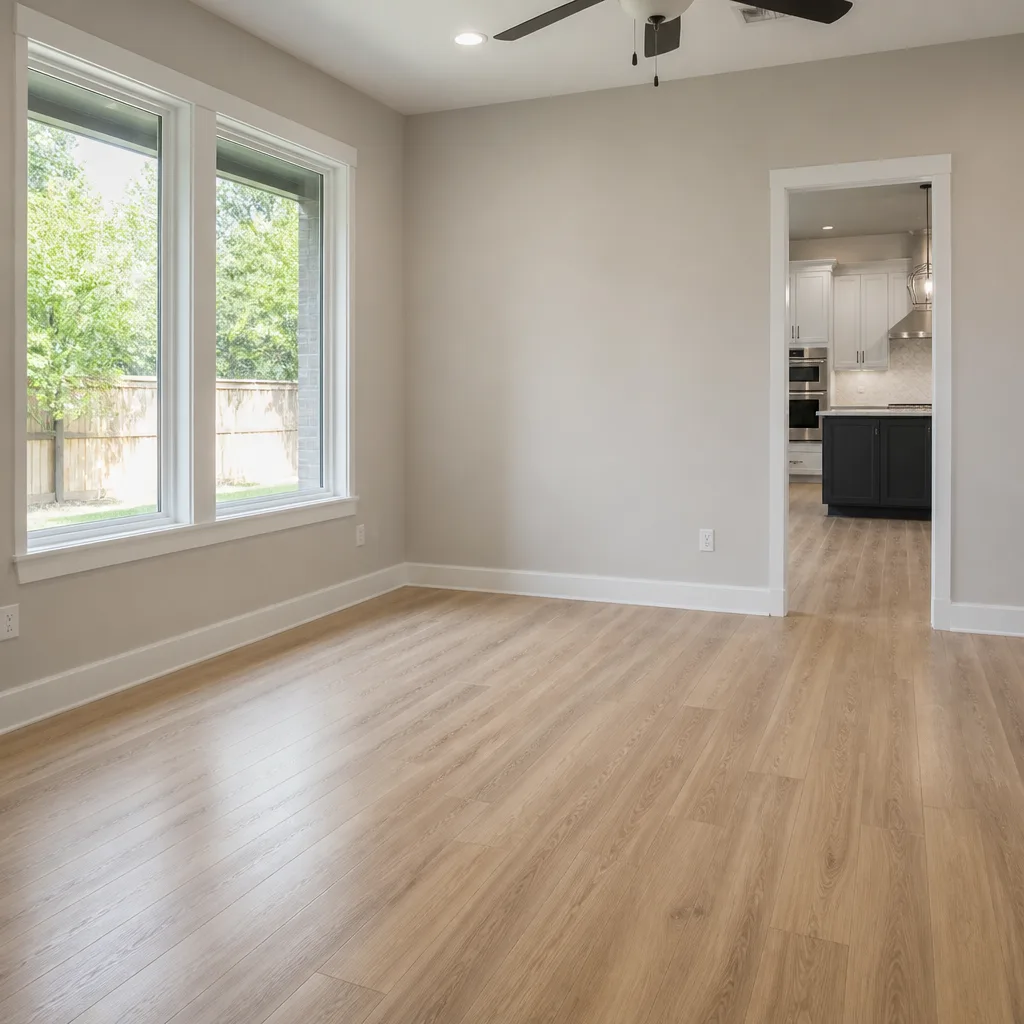
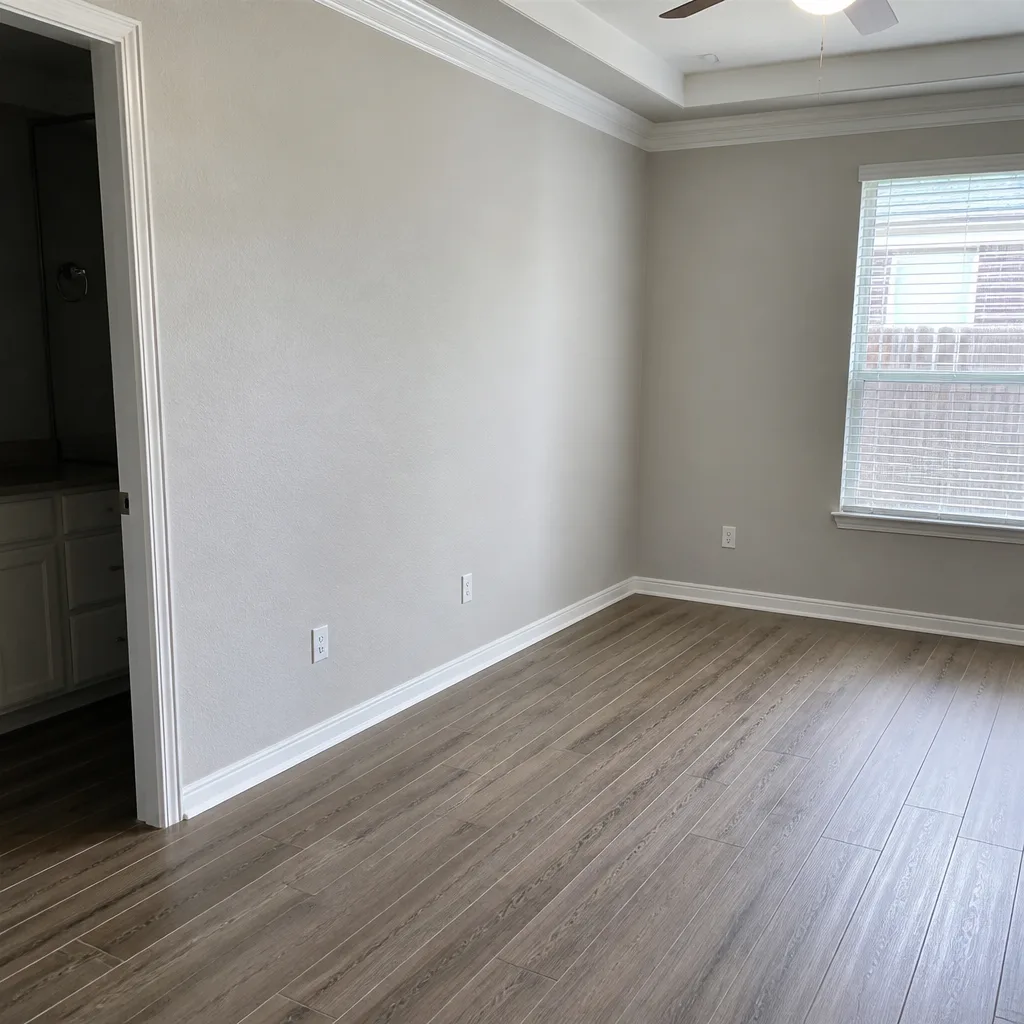
- Reconstruction. The rebuild begins: new drywall, texture, paint, flooring, trim. Because the drying was verified first, the rebuild has a documented dry substrate behind it.
The step most often skipped in Dallas is verification. A contractor pulls equipment after three days because that is what the franchise template says, but a Dallas home on clay soil with a slab leak can take longer depending on the original water volume and the materials involved. Ask for the moisture log. A company that cannot produce one did not verify the drying. For a deeper look at this process, see our Water Damage Restoration in Dallas page.
Fire Damage Restoration in Dallas: Soot, Smoke, and Structure
Fire restoration is not just rebuilding what burned. It is managing what did not burn but is still destroyed: smoke residue, soot, and the odor that penetrates everything porous. Here is the sequence:
- Board-up and stabilization. Openings are sealed against weather, animals, and vandals. Windows are boarded, roof penetrations are tarped. In Dallas, this matters immediately because an open structure in a summer thunderstorm becomes a water damage claim on top of a fire claim.
- Soot classification. Soot is not one substance. Protein soot from a kitchen fire is greasy and adheres aggressively. Synthetic soot from burned plastics and electronics is acidic and corrosive. Natural soot from wood and paper is powdery. Each type requires a different cleaning approach, and using the wrong one smears the residue deeper into surfaces.
- Content assessment and pack-out. Salvageable contents are inventoried, packed, and moved to a cleaning facility or a clean on-site area. Non-salvageable items are documented for the insurance claim.
- Structural cleaning. HEPA vacuuming removes loose soot. Chemical sponges clean hard surfaces. Walls may require wet cleaning or media blasting depending on the residue type. This phase is slow and meticulous, and it is where Dallas homeowners see the biggest difference between a crew that documents and a crew that rushes.
- Odor neutralization. Smoke odor lives in porous materials. Ozone, hydroxyl generators, or thermal fogging are used depending on the structure and the contents. The method matters less than the verification: when the job is done, the odor should be gone, not masked by a fragrance.
- Sealing and reconstruction. Primed and sealed surfaces prevent future odor bleed-through. Then the rebuild begins: framing, drywall, paint, trim, flooring.
The most common shortcut in fire restoration is skipping the sealing step. A contractor paints over soot-stained studs without a sealing primer, and six months later the odor returns and the paint begins to yellow. That is a callback waiting to happen, and it is exactly the kind of failure the Fire Damage Restoration in Dallas process is designed to prevent.
Mold Remediation in Dallas: Containment and Clearance
Mold remediation in Dallas carries a different weight than in drier climates. Dallas humidity, combined with the condensation patterns from air conditioning systems running nine months a year, creates conditions where mold grows behind walls, under sinks, and inside HVAC ductwork. Remediation follows a strict containment-first protocol because disturbing mold releases spores into the air, and those spores move through a house fast.
- Source identification and correction. Mold is a moisture problem, not a cleaning problem. The leak, condensation, or humidity source is found and fixed before remediation begins. If the source remains, the mold returns, and you have paid for a temporary fix.
- Containment. The affected area is sealed with plastic sheeting and negative air pressure. This keeps spores from spreading to clean areas during removal. A proper containment setup is visible and obvious: an air scrubber running, a sealed doorway, a manometer confirming negative pressure.
- Removal of affected materials. Porous materials with visible mold growth (drywall, insulation, carpet, ceiling tile) are removed and bagged inside the containment before leaving the work area. Non-porous surfaces are HEPA-vacuumed and wiped with antimicrobial solutions.
- HEPA vacuuming and cleaning. Every surface inside the containment is vacuumed with a HEPA-filtered unit. The goal is to remove spores, not just kill them. Dead mold spores are still allergens and still cause reactions in sensitive people.
- Drying and verification. The area is dried to the appropriate moisture level. Readings are logged.
- Clearance testing. A third-party or internal clearance sample confirms the spore count inside the containment is at or below the level of the surrounding clean areas. This is the proof the remediation worked, and it should be in writing.
- Rebuild. New materials go in once clearance is documented.
The difference between a cleaning and a remediation is containment and clearance. A company that wipes visible mold with bleach and calls it done did not remediate anything; they disturbed the mold and spread spores through the house. See our Mold Remediation in Dallas page for the full standard we work to.
Why Dallas Clay Soil and Freeze-Thaw Cycles Change Everything
Dallas sits on expansive clay soil. That single fact shapes restoration work here more than any national franchise playbook admits. Clay soil expands when wet and contracts when dry. Over months and years, that movement puts stress on foundation slabs and underground plumbing lines. The result is that Dallas sees a high volume of slab leaks, and a slab leak is not a standing-water event. It is water moving through the soil, under the slab, and up through the structure by capillary action. Moisture readings in a Dallas slab-leak job often show elevated levels in walls far from the visible water. A national template that only dries the visible wet area misses the migration path, and the homeowner discovers the miss months later when warped flooring shows up in the next room.
Freeze-thaw cycles add another layer. Dallas winters bring intermittent hard freezes followed by rapid thaws. Pipes in exterior walls, attics, and crawlspaces freeze, crack, and then flood the structure when the thaw hits. The damage pattern is often above ceilings and inside wall cavities, which makes it easy to underestimate. A restoration contractor who knows Dallas weather patterns expects these hidden migration paths and documents them with moisture mapping before demolition begins. That documentation is what supports a full insurance claim rather than a partial one.
Summer heat is the third factor. Dallas regularly sees stretches above 100 degrees, and that heat accelerates microbial growth inside a wet structure. Water that sits for 24 hours in a Dallas August has a different contamination profile than water that sits for 24 hours in a cooler climate. That is why the industry standard references IICRC guidelines for water classification, and why a professional restoration company in Dallas treats every Category 2 or 3 water loss with the antimicrobial and containment protocols that the situation requires.
How to Read a Scope of Work Document
A scope of work is the written description of what the contractor will do, what materials they will use, and what the price is. It is the single most important document in any restoration project, and most homeowners sign it without reading it or checking our Damage Restoration Cost Breakdown: The Dallas Homeowner’s Reference for 2026. Here is how to read one critically.
Look for specificity. A legitimate scope says exactly what gets removed and what gets replaced. “Remove and replace drywall in living room east wall, 12 linear feet, cut at 4 feet above finished floor, new drywall to match existing texture with primer and two coats of paint.” A vague scope says “repair water damage in living room.” The vague scope lets the contractor decide later what needs doing, and that decision will not be in your favor.
Look for moisture data. A water damage scope should reference initial moisture readings and drying goals. If the scope does not mention moisture levels, ask how the contractor knows what is wet. The answer should involve moisture meters and documented readings, not “experience.”
Look for line items, not lump sums. A $12,000 lump-sum estimate for a fire restoration tells you nothing. A line-item estimate shows $2,800 for structural cleaning, $1,500 for content pack-out, $900 for odor neutralization, and so on. Line items let you compare bids and hold the contractor accountable for what was actually done.
Look for what is missing. The most important line in any scope is the one that is not there. If a fire restoration scope includes painting but does not include sealant primer, the contractor is planning to paint over soot. If a water scope includes drywall replacement but not baseboard replacement, who is paying for the baseboards that got ruined? Ask the contractor to walk the scope line by line and explain what each item covers. If they cannot, that is your answer.
This is where The Garrison Standard applies: the price is put in writing before any work begins, and the scope is specific enough that you can compare it against the finished job. At Keegan Restoration Dallas home, every job runs to that standard without exception.
Insurance Documentation: What a Legitimate Contractor Generates
Insurance companies need documentation to process a claim. A restoration contractor who knows what they are doing generates that documentation automatically as part of the job. A contractor who does not is either inexperienced or planning to bill you for work that is hard to verify. Here is what legitimate documentation looks like:
- Loss photos. Photos of every affected area before any work begins. Include the source of the water, fire, or mold. These photos establish the baseline for the claim.
- Moisture readings and thermal imaging. Initial readings, daily drying logs, and final verification readings. The daily log shows the drying trend and proves the equipment was actually doing something.
- Equipment inventory. A list of every piece of equipment placed on the job, including make, model, and location. Your insurance company reimburses for equipment rental based on this list.
- Demolition documentation. Photos of what was removed and why. If drywall was cut out, the documentation should show the wet drywall and the moisture reading behind it.
- Contents inventory. For fire and significant water losses, a room-by-room inventory of affected contents with photos and condition notes.
- Scope of work with line-item pricing. The written estimate, item by item, in a format your insurance company recognizes.
- Clearance documentation. For mold work, the post-remediation clearance sample results.
If a contractor cannot produce a moisture log, a contents inventory, or a daily equipment list, think about what that means for your claim. The insurance adjuster will ask for documentation, and when it is missing, the claim gets denied or reduced. That reduction comes out of your pocket. A contractor who documents the job thoroughly is protecting you, not just covering themselves. This is one of the reasons we run every job to IICRC, RIA, and IFA referenced standards and format documentation specifically to support insurance claims.
Common Mistakes to Avoid
- Signing a contract before reading the scope line by line. The scope is the contract’s substance. If the scope is vague, the contract is vague, and you are agreeing to pay for whatever the contractor decides later. Read every line. Ask what each item covers. If the contractor gets impatient, that is a signal.
- Hiring a storm chaser without a Dallas presence. After every Dallas hailstorm and freeze event, out-of-state crews arrive, sell jobs, and leave. When the repair fails six months later, they are gone. Ask for a local physical address and a phone number that a live person answers.
- Treating mitigation as optional. Some homeowners see the mitigation estimate and decide to skip extraction or drying to save money. What they are actually doing is paying for a larger remediation later. Water left in a structure for a week creates mold that costs multiples of the original mitigation price.
- Accepting a lump-sum bid without line items. A lump sum hides what is being done. It also hides what is not being done. Line items are the only way to compare bids and verify the work.
- Skipping clearance testing on mold work. Without clearance documentation, you have no proof the mold is gone. When you sell the house and a buyer’s inspector finds mold, you have no paper trail to show remediation was performed.
- Letting the contractor handle your insurance claim without seeing the documentation yourself. You are the policyholder. The claim is yours. A contractor who submits documentation directly to your adjuster without giving you copies is cutting you out of your own claim.
- Choosing the lowest bid without comparing scopes. A low bid that omits sealant primer, moisture verification, or containment is not cheaper. It is a smaller down payment on a larger failure.
When to Call a Professional
Call a professional restoration company the moment you discover water where it does not belong, smoke or soot damage after a fire, or visible mold growth. Do not wait to see if the water dries on its own. Do not try to clean soot with household cleaners. Do not disturb mold by wiping it. In each case, the longer you wait, the more extensive and expensive the restoration becomes. A live person answers the phone at Keegan Restoration Dallas 24 hours a day, 7 days a week, including nights, weekends, and holidays. When water is actively damaging your home, you should not be leaving a voicemail. Keegan Restoration Dallas offers free estimates in Dallas, call (254) 857-5210.
Frequently Asked Questions
Water damage restoration in Dallas typically runs between $2,500 and $15,000 depending on the water category, the affected square footage, and whether selective demolition is required. Fire damage restoration typically starts around $5,000 for a contained kitchen fire and scales up for whole-structure events. Mold remediation typically runs $2,000 to $12,000 depending on the affected area and the containment complexity. These are ranges based on Dallas labor and material rates; your exact price should be in writing before any work begins. Call (254) 857-5210 for a free estimate with a written scope.
Most Dallas homeowners policies cover sudden and accidental water damage from burst pipes or appliance failures, fire and smoke damage, and mold remediation when the mold is the direct result of a covered water loss. Gradual leaks, flood damage from rising water, and mold from long-term humidity are typically excluded unless you carry specific endorsements. The key variable is documentation, along with understanding Damage Restoration Permits, Codes & Inspections in TX: What You Need to Know: a contractor that documents every phase properly gives your adjuster what they need to approve the claim fully. Always have the scope of work and loss photos formatted for your insurance company’s review process.
For water damage, a professional restoration company should have a crew on site within hours, not days. Water in a Dallas summer home accelerates structural damage and microbial growth quickly. A live person should answer your call immediately, and the first priority should be source shutoff, extraction, and equipment placement. Fire board-up and mold containment are typically scheduled within the same day or the next morning depending on call volume and the specific situation.
Mitigation is the emergency response that stops active damage: water extraction, structural drying, board-up, and mold containment. Restoration is the complete process of returning the property to its pre-loss condition, including remediation (removal and cleaning) and reconstruction (rebuilding). Mitigation is a subset of restoration. A company that only does mitigation and then refers you elsewhere creates a gap between the person who dried the structure and the person who rebuilt it, and gaps like that are where warranty responsibility gets lost.
If visible mold growth covers an area larger than about 10 square feet, if the mold is inside wall cavities or HVAC ductwork, or if anyone in the home has respiratory sensitivities, full remediation with containment is the right call. Surface cleaning without containment disturbs spores and spreads them through the structure. A proper assessment includes moisture readings to find the source, because cleaning mold without fixing the moisture source guarantees it returns. Call (254) 857-5210 and we will assess it properly without overselling you.
A legitimate restoration contractor should coordinate directly with your adjuster while keeping you copied on all documentation. The contractor handles the technical conversation: explaining the drying log, the moisture readings, the line-item scope, and the clearance results. You should never be excluded from that conversation. If a contractor tells you to just sign over your claim benefit and let them handle everything without you seeing the documentation, that is a red flag. The claim is yours, the policy is yours, and the documentation should be yours too.
The Bottom Line
Damage restoration in Dallas succeeds or fails based on the sequence, the documentation, and the willingness of the contractor to put everything in writing before work begins. A proper water job dries to verified moisture readings, not to a calendar. A proper fire job cleans and seals before painting, not after. A proper mold job contains and clears, not wipes and walks. The most common failure in this market is not bad craftsmanship; it is scope gaps created by contractors who blur the phases and skip the steps you cannot see. Read the scope. Demand the moisture log. Verify the clearance. Explore more guides & resources. And choose a contractor who runs on discipline, not improvisation. Keegan Restoration Dallas has been part of the Garrison Partners family since 2005, and every job runs to The Garrison Standard: written price before work starts, background-checked uniformed technicians, and a written 365-Day Done Right Promise on every repair.
Written by Shane Pruitt, Owner at Keegan Restoration Dallas, serving Dallas since 2005.
See the difference
 Before
 After
After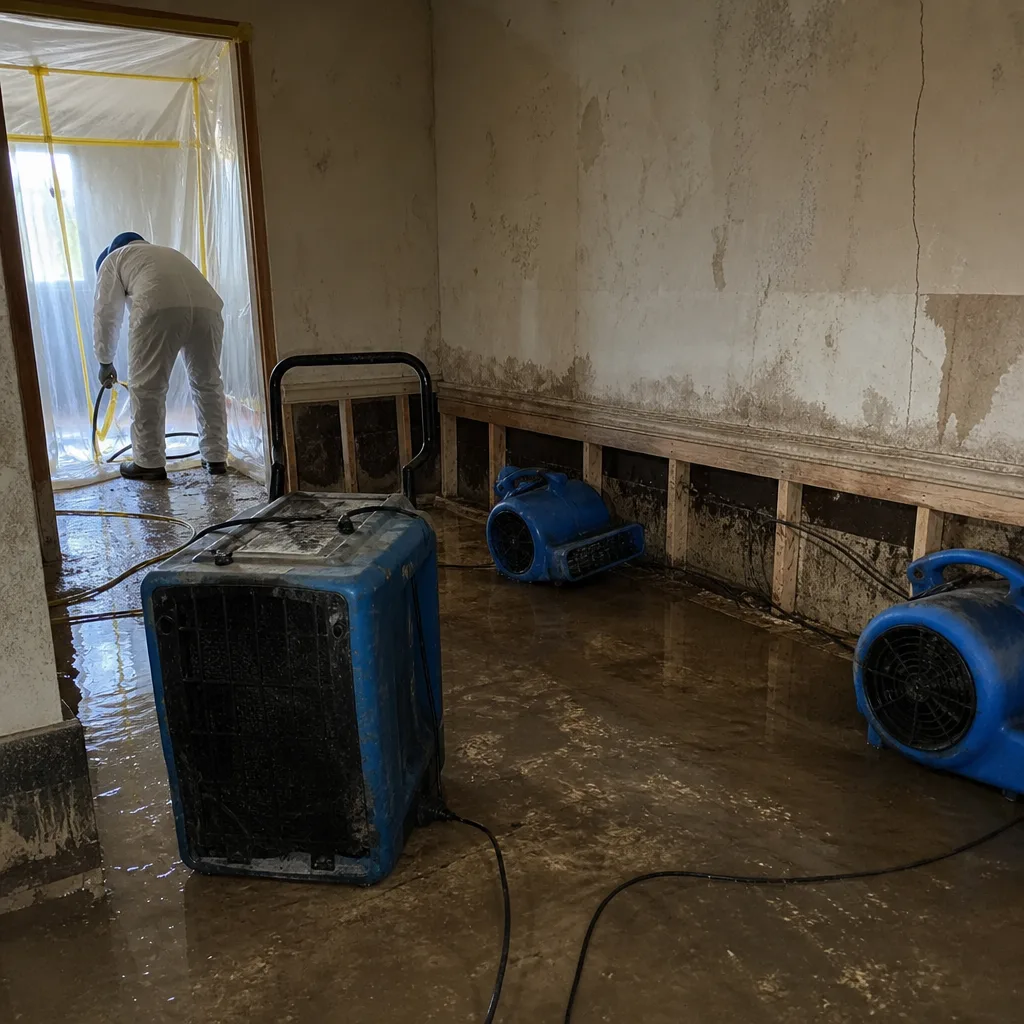 Before
 After
After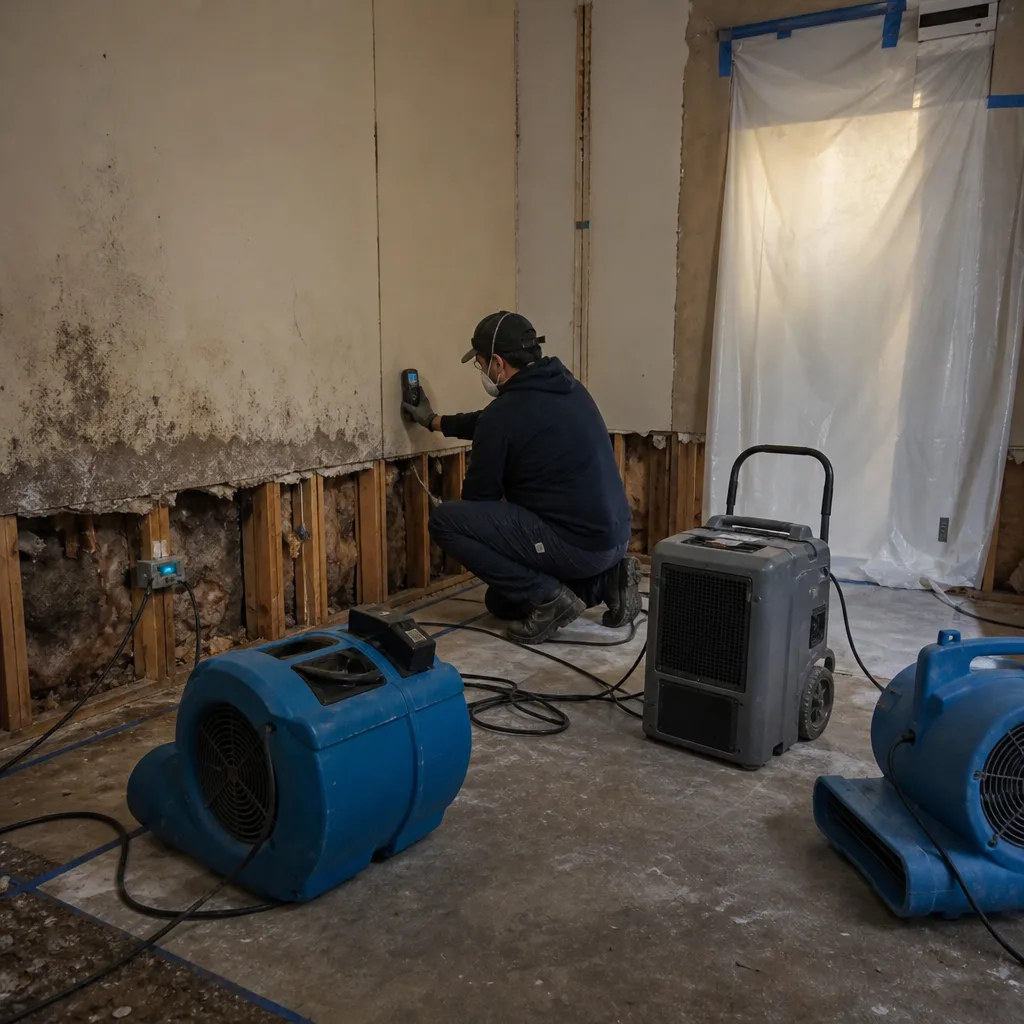 Before
 After
After