
Last updated October 16, 2026
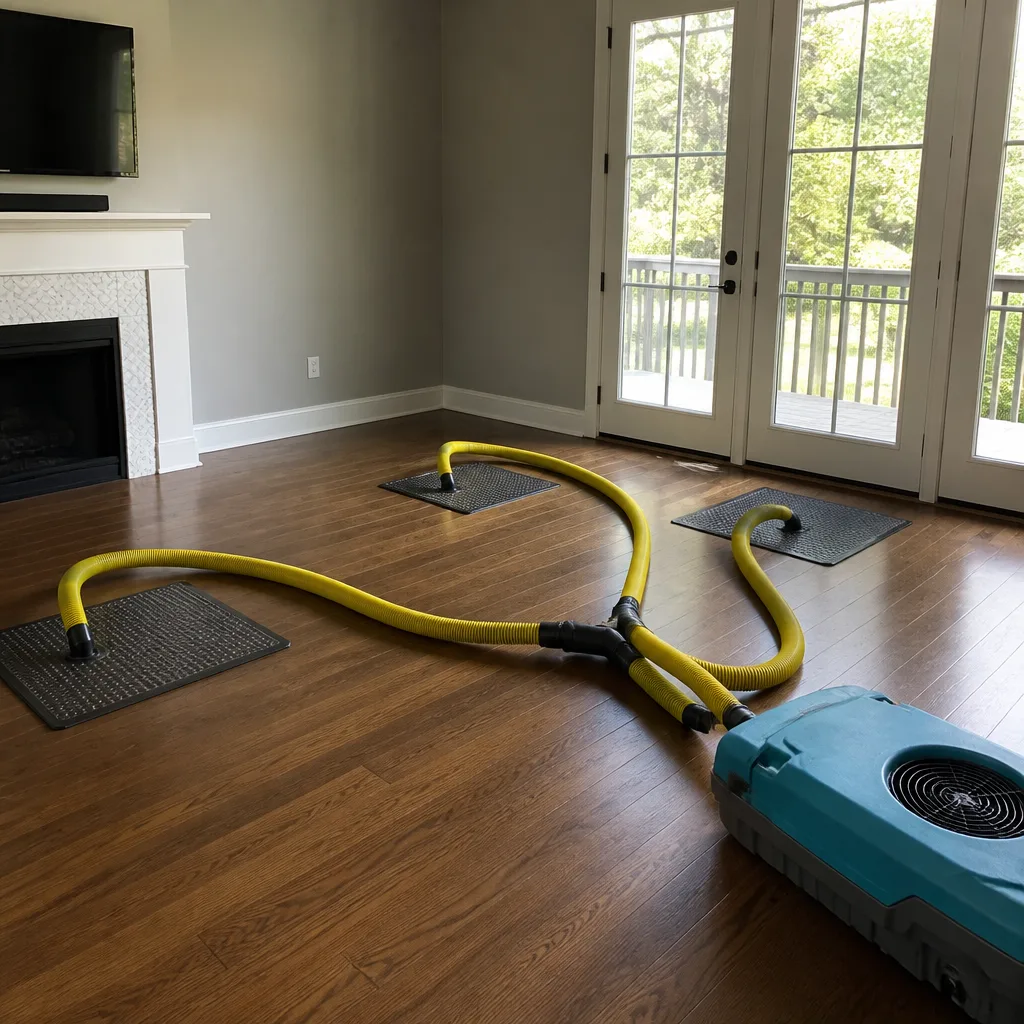 Water damage drying
 Fire & smoke cleanup
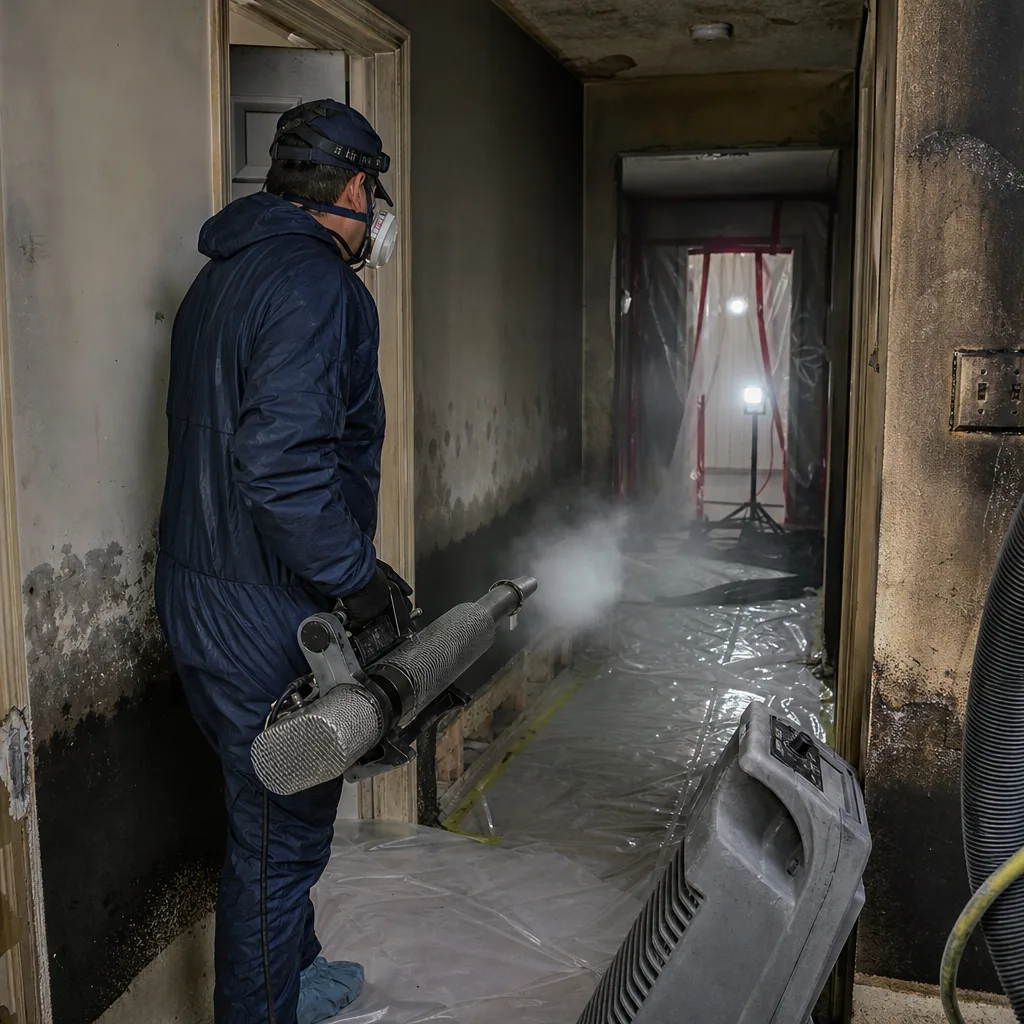
 Mold remediation
 Storm response
 Sewage cleanup
 Reconstruction
Free visual inspection and a written scope of work before any mitigation begins - photos, moisture readings, and drying logs go in your claim file
The scope we write is the scope we bill. Anything new gets shown to you, in writing, before we touch it.
Get your free estimateSeasonal Damage Restoration Care for Dallas: Year-Round Homeowner’s Guide
February in Dallas has produced more burst-pipe restoration calls than any other single month in the past decade. That fact surprises most homeowners, because nearly every seasonal maintenance guide on the shelf was written for Minnesota or Ohio, where winter is the enemy and summer is a relief. Here, the real threat calendar runs exactly backwards from what those guides assume. This guide is built around the actual risk windows Dallas homes face: a February freeze window, an April-to-June hail window, a July-to-August heat-stress window, and an October-to-January dry-soil foundation window. You’ll learn what to inspect, when to inspect it, what a repair should cost before you call anyone, and how to keep a seasonal damage log that makes an insurance claim dramatically harder to dispute.
Quick Answer
Seasonal damage prevention in Dallas means working a calendar that does not match the rest of the country. The four risk windows to plan around are: early February (hard freezes and burst pipes), April through June (hail and wind-driven rain hitting roofs and flashings), July and August (HVAC condensate and attic heat stress causing slow leaks), and October through January (dry clay soil shrinking under slabs, stressing foundations and supply lines). A homeowner who inspects the right parts of the house in the right month prevents most of the water, fire, and mold damage we get called to repair.
Restoration work we handle
Table of Contents
- The February Freeze Window: What Dallas Homes Need That Minnesota Homes Don’t
- Spring Hail Season: Roof and Flashing Inspection Timed to Dallas’s Storm Peak
- Summer Heat Stress: HVAC Condensate and Attic Ventilation Checks That Prevent August Leaks
- Fall Foundation Watering: Managing Clay Soil Movement Before the Dry Winter
- Build a Seasonal Damage Log That Makes Insurance Claims Faster
- What Restoration Work Actually Costs in Dallas: Real Price Ranges
- Common Mistakes to Avoid
- When to Call a Professional
- Frequently Asked Questions
The February Freeze Window: What Dallas Homes Need That Minnesota Homes Don’t
North Texas homes are built for heat, not cold. That single sentence explains more Dallas water damage than any other factor. In Minnesota, supply piping runs through interior walls by code, exterior hose bibs use frost-proof valves, and everyone knows where their main shutoff is because they use it every fall. In Dallas, supply lines routinely run through attic spaces or uninsulated exterior walls, hose bibs are standard compression valves, and many homeowners have never touched their main water shutoff. When the temperature drops into the teens for two consecutive nights, the failure pattern is predictable.
In our experience across Dallas neighborhoods, the calls start coming around 10:00 PM on the second night of a hard freeze. The most common failure points, in order:
- Attic supply lines: PEX and copper lines in unconditioned attic space above the insulation, where they sit in freezing air
- Exterior-wall hose bibs: Standard valves installed without frost protection, with the hose still attached
- Garage water heaters and laundry lines: Garages in Dallas are rarely insulated or heated
- Pool equipment pads: Exposed PVC plumbing on equipment pads without freeze protection or a working freeze sensor
The Dallas-specific preparation protocol we recommend to neighbors runs on two tracks: permanent upgrades and annual pre-freeze actions.
- Know your main shutoff before you need it. Find the shutoff at the street or at the foundation wall, test it, and make sure a wrench is stored where you can grab it in the dark. This single action prevents more Dallas freeze damage than any other.
- Disconnect and drain every exterior hose by mid-January. A frozen hose creates back-pressure that splits the bib inside the wall.
- Insulate attic supply lines with foam pipe insulation, and verify the insulation sits over the pipes, not under them. Pipes below insulation freeze; pipes above insulation usually stay marginally warmer from the home’s heat.
- Install frost-proof hose bibs if you have ever had one freeze. The valve seat sits 6 to 12 inches inside the warm wall, where the cold cannot reach it.
- Leave cabinet doors open under kitchen and bathroom sinks on exterior walls during hard-freeze nights, and let a pencil-thin stream run from one faucet on each level.
- Wrap or heat-tape exposed PVC at the pool equipment pad, and verify the freeze sensor works before the first freeze night, not during it.
When a freeze does split a pipe, the damage sequence is what drives the restoration approach. The split often goes unnoticed until thaw begins and water runs freely. If you catch a freeze break within minutes, shutting off the main and calling a water damage restoration crew is the difference between drying a single wall cavity and replacing baseboards, flooring, and insulation across three rooms. Our crews at Water Damage Restoration in Dallas respond to freeze-break calls with professional-grade extraction equipment from Dri-Eaz and Phoenix, followed by drying plans built on psychrometrics, the science of moisture movement through air and materials, not guesswork.
One more Dallas-specific note: many homes here have water heaters in attic return-air spaces or garage closets with no emergency drain. A failed water heater in February behaves like a burst pipe, but it releases 40 to 50 gallons in 20 minutes rather than a slow drip. We recommend checking the water heater age and looking for rust or weeping around the tank every January. Replacement is a plumbing job; the restoration afterward is ours.
Spring Hail Season: Roof and Flashing Inspection Timed to Dallas’s Storm Peak
Dallas hail season runs from late March through June, with the peak concentration in April and May. The National Weather Service records more severe hail reports in the Dallas-Fort Worth metro during those two months than in the rest of the year combined. Hail does not need to be golf-ball-sized to cause damage that shows up months later as a slow ceiling stain. Marble-sized hail, the kind that lasts 10 minutes and melts before lunch, can bruise shingles, crack flashing seals, and dent soft-metal roof penetrations enough to let water in during the next rain.
The inspection sequence we recommend after any Dallas hail event, even a minor one:
- Walk the yard first. Look for dents on the air conditioner fins, downspouts, and any painted metal surface. Hail that dents those has hit the roof with real force.
- Check gutters for granule accumulation. Asphalt shingle granules collect in gutters after hail impact. A heavy accumulation means shingle bruising is likely even if the roof looks fine from the ground.
- Look at the flashing, not just the shingles. Chimney flashing, vent pipe boots, and valley metal take hail damage faster than shingles. Cracked sealant or displaced flashing is a direct water entry point.
- Inspect the attic from inside. On a dry day, check the decking for dark stains, water trails, or daylight through nail holes. This catches leaks before they reach the ceiling.
- Photograph everything, even if you are unsure whether it is damage. Your seasonal damage log needs those photos later.
What makes Dallas hail damage restoration different from other parts of the country is the insurance interface. Texas homeowners insurance policies commonly carry a separate wind and hail deductible, often 1% or 2% of the home’s insured value. On a $400,000 home, that is a $4,000 to $8,000 deductible. Many homeowners are shocked by that number when the adjuster mentions it. That is why we tell every Dallas homeowner to understand their policy’s hail deductible before storm season, not after a claim is opened.
Hail does not always mean a full roof replacement, and a roofer who tells you it does without showing you the scope deserves skepticism. The same applies in reverse: hail damage that is ignored turns into decking rot and moisture problems that grow in cost for every month they are left untreated. If hail damage has already let water into the home, the restoration sequence is to extract and dry the interior first, then address the roof. You can read more about how water damage from storm events gets handled at Keegan Restoration Dallas home.
Summer Heat Stress: HVAC Condensate and Attic Ventilation Checks That Prevent August Leaks
Dallas summers push HVAC systems to run 16 hours a day or more. A system moving that much air across a cold evaporator coil produces 10 to 20 gallons of condensation per day during peak heat. That water has to go somewhere. When the condensate line clogs, the overflow pan fills, the float switch may or may not work, and the water ends up on the ceiling below the unit or inside the emergency drain pan until it rusts through. We see a spike in these calls every August, not because the clog happened in August, but because the system has been producing maximum condensate for 60 straight days and the water finally found a path out.
The pre-summer checklist that prevents most August condensate damage:
- Pour a cup of white vinegar down the condensate line in May and again in July. The vinegar dissolves the algae and sediment biofilm that clogs the line, without damaging PVC.
- Check the emergency overflow pan under an attic air handler. It should be dry. Water in the pan means the primary drain is already clogged and the float switch is all that stands between your ceiling and a flood.
- Verify the float switch works by gently lifting it while the unit runs. The system should shut down. If it does not, replace it before it matters.
- Inspect the air handler secondary drain line outlet outside the home. If you see water dripping from the secondary line, the primary is clogged.
- Look for sagging in the attic decking or staining around the unit, which indicates a previous overflow that is now a mold risk.
- Start watering in October when the 100-degree days end and the soil begins to dry. Water the perimeter of the foundation, 12 to 18 inches out from the slab edge.
- Water 2 to 3 times per week during dry spells in fall and winter, not daily. The goal is consistent moisture, not saturation. Saturated soil is its own problem and can cause the slab to heave.
- Use a soaker hose placed 12 to 18 inches from the foundation, not a sprinkler that throws water against the brick. Water against the slab edge is wasted and can contribute to moisture intrusion.
- Observe the soil gap. In dry Dallas winters, you will see the soil pull away from the foundation edge. A quarter-inch gap is acceptable. A half-inch gap or more means the soil is too dry and the watering schedule needs to increase.
- Do not stop watering after a freeze. The freeze-thaw cycle here is minor compared to the damage caused by dry clay contracting under the slab. Continue the schedule through January unless the ground is frozen.
- Date-stamped photos of every inspection point after each seasonal check: attic, water heater, HVAC condensate line, foundation perimeter, roof flashing, hose bibs
- Weather event notes: the date of every hail storm, freeze, or heavy rain event, with a sentence or two about what you observed during and after
- Repair invoices and work orders, even for small repairs. A $200 flashing repair in June is evidence that you were maintaining the home, which matters to an adjuster evaluating a later water claim
- Water bill anomalies: a sudden 30% increase in usage is often the first sign of a slab leak. Write it down and investigate the same week
- Photos of anything you are unsure about. If a ceiling stain makes you wonder, photograph it now and photograph it again in two weeks. Change over time is diagnostic information
- Test every smoke detector and replace batteries. A working detector is the cheapest fire damage prevention available.
- Have the chimney swept if you burn fires during the winter. Creosote buildup is the leading cause of chimney fires.
- Inspect space heater cords and placement. Every space heater needs a 3-foot clearance on all sides and a direct wall outlet, no extension cords, no power strips.
- Look at your electrical panel for signs of heat: scorch marks, warm breakers, or a burning smell. These are pre-fire warnings that need an electrician the same week.
- Know your escape route and your shutoffs. The fire itself is the emergency; the restoration starts when the trucks leave.
- Treating February as a low-risk month. The worst freeze damage in Dallas happens in February, not January. Homeowners who “winterized” in November and then relaxed are the ones we hear from at 2:00 AM.
- Ignoring small ceiling stains. A faint brown ring on the ceiling after a rain is not cosmetic; it is a leak that is actively feeding mold in the cavity above. Every month it goes untreated, the repair scope and cost grow.
- Assuming hail damage means full roof replacement. Many hail events cause localized flashing and sealant failures that a $300 repair fixes. Get an honest assessment, not a sales pitch.
- Skipping the fall foundation watering schedule. Dry clay soil under a Dallas slab does not recover on its own over the winter. The crack that appears in the wall next May started with the soil drying out in November.
- Not knowing where the main water shutoff is. When a pipe bursts at midnight, the water keeps running until someone turns it off. A homeowner who finds the shutoff in advance saves thousands of dollars of damage.
- Filing an insurance claim before documenting the damage. Adjusters need evidence, and the best evidence is your own photo log. If you cannot show what the home looked like before the event and after it, the claim is harder to settle in your favor.
- Hiring the first restoration company that shows up in a search ad without a written scope. Dallas has many reputable restoration firms and some that are not. The ones worth trusting put the price and the scope in writing before any work begins. That is the minimum standard, not a premium feature.
Attic ventilation is the second summer stress point. Dallas attics reach 140 to 150 degrees Fahrenheit in July and August. That heat does two things: it forces the air conditioner to work harder, and it cooks the roofing materials from below. Inadequate attic ventilation also drives moisture into the attic space when the warm, humid Dallas air meets the cooler surfaces of ductwork and framing. Over time, that condensation supports mold growth in the attic, which is one of the most common Mold Remediation in Dallas calls we handle in late summer and early fall.
A simplified attic check we recommend every June: confirm the soffit vents are not blocked by insulation or debris, confirm the ridge or turbine vents are unobstructed, and ask a technician to verify the attic temperature stays within about 15 to 20 degrees of the outside air on a hot afternoon. If the attic is dramatically hotter than that, added ventilation is a repair that pays for itself in both energy cost and damage prevention.
Fall Foundation Watering: Managing Clay Soil Movement Before the Dry Winter
The soil under most Dallas homes is expansive clay. It swells when wet and shrinks when dry. The shrinking is what damages homes. When the soil under a slab dries out, it contracts away from the foundation, and the slab begins to settle unevenly. That movement produces the cracks in walls and brick veneer that every Dallas homeowner has noticed at some point. Less visible is what the same movement does to plumbing: supply lines under the slab can be stressed to the point of leaking, and sewer lines can shift enough to crack.
The fall watering schedule is the cheapest foundation insurance available in Dallas. Here is the protocol we share with neighbors in the clay-heavy areas of the metro:
Foundation movement and water damage are linked in a way most homeowners do not see until it is too late. A slab that shifts enough to crack a supply line produces a leak that may run for weeks before it shows up as a wet spot on the floor or a water bill spike. That is when the restoration conversation starts. If you catch a foundation-related leak early, the repair scope is typically drying the affected area and repairing the wall or flooring. If it runs unnoticed, the scope grows to include Mold Remediation in Dallas and sometimes structural drying. The seasonal damage log we describe in the next section is the tool that catches these leaks early.
Build a Seasonal Damage Log That Makes Insurance Claims Faster
The single highest-value habit a Dallas homeowner can build is a simple seasonal damage log. It costs nothing but time and a phone camera. What it buys is leverage: a documented history of when damage appeared, what the conditions were, and what was done about it. Insurance adjusters work with paperwork, and a homeowner who hands over a dated, photo-supported log has an easier claim than one who reconstructs a timeline from memory.
Here is what a practical damage log contains, and it does not need to be elaborate:
The log serves a second purpose. When you do need a restoration contractor, the log gives the crew a starting inventory of what is normal for your home. That means faster scoping, a more accurate written estimate, and less back-and-forth with the adjuster. Every job we take on at Water Damage Restoration in Dallas begins with a documented scope of loss, the industry term for a formal, written record of what is damaged and what it will take to restore it. A homeowner’s own log makes that document stronger from day one.
What Restoration Work Actually Costs in Dallas: Real Price Ranges
We believe homeowners should know the price range before they call, because a homeowner who understands the market is a better partner on the job. These ranges reflect what we see across Dallas for typical residential restoration work in 2025 and 2026. They are not quotes, but they are the numbers our neighbors should have in their heads.
| Damage Type | Typical Dallas Cost Range | What Affects the Price |
|---|---|---|
| Burst pipe water extraction and drying, single room | $1,200 – $2,800 | Amount of water, flooring type, how long the water ran |
| Full-home water mitigation after a major leak | $4,000 – $12,000 | Square footage affected, number of rooms, slab vs. pier-and-beam |
| Attic mold remediation, localized | $800 – $2,500 | Square footage of affected area, accessibility, source of moisture |
| Fire damage cleanup and smoke mitigation, small kitchen fire | $3,500 – $9,000 | Extent of soot spread, contents cleaning, structural repair needs |
| Ceiling repair from HVAC condensate overflow | $600 – $1,500 | Drywall replacement area, insulation replacement, paint matching |
| Slab-leak drying and repair coordination | $2,500 – $7,000 | Leak location access, flooring affected, drying time |
Every range above assumes the work is done by a restoration contractor running professional-grade equipment and following IICRC standards. The difference between a $1,200 dry-out and a $2,800 dry-out in the same room often comes down to how long the water sat before the crew arrived and whether the flooring was carpet, hardwood, or tile. That is why speed matters on water calls, and why we operate with a live person answering the phone 24/7 in Dallas.
The Fire Risk Window Dallas Homeowners Underestimate
Fire damage restoration is not a seasonal topic in the way water damage is, but the Dallas fire risk pattern is real. The winter heating months, December through February, are when we see the highest volume of fire-related calls: space heaters placed too close to combustibles, overloaded extension cords running holiday loads, and chimneys that have not been cleaned since the previous spring. Electrical fires from aging panels and wiring do not follow a season, but the heating months concentrate the risk.
What surprises most Dallas homeowners is how much of the damage from a small fire comes from smoke, not flame. Smoke is a gas and a particulate, and it moves through the home’s air pathways: ductwork, wall cavities, electrical outlets, and the spaces above cabinets. A kitchen fire contained to the stove still leaves smoke residue in rooms that never saw a flame. That residue is acidic and corrosive. Left untreated, it etches metal fixtures, discolors paint, and leaves an odor that returns every time the humidity rises, which in Dallas is most of the year.
The fire season checklist we recommend to Dallas neighbors in November:
After a fire, the restoration scope includes water damage from the fire department’s suppression effort, soot and smoke residue removal, and structural repair. That combined scope is why Fire Damage Restoration in Dallas work needs to be documented and scoped in writing before the first day of cleanup. We run every fire job to The Garrison Standard: written price before work starts, background-checked technicians in uniform, and a full-year written guarantee on every repair through the 365-Day Done Right Promise.
Common Mistakes to Avoid
When to Call a Professional
Some seasonal damage is a DIY repair: a loose downspout, a running toilet, a condensate line you can clear with vinegar. Some is not. Call a professional restoration company the same day when you have active water running into a wall or ceiling, when you see mold on drywall or insulation, when a fire or heavy smoke event has affected multiple rooms, when a sewage backup has contaminated living spaces, or when you cannot identify the source of a leak that keeps returning. In these situations, the cost of waiting is measured in the expansion of the affected area, and the difference between a $1,500 dry-out and a $12,000 rebuild can be the time between the first sign of water and the first call. Keegan Restoration Dallas offers free estimates across the Dallas metro. Call (254) 857-5210 and a live person answers, 24 hours a day, 7 days a week.
Frequently Asked Questions
Burst pipe water damage restoration in Dallas typically costs between $1,200 and $2,800 for a single room and $4,000 to $12,000 for a multi-room event, depending on how long the water ran and what materials were affected. The fastest way to keep the cost at the low end is to shut off the main immediately and call a restoration crew within the first hour. Call (254) 857-5210 for a free estimate in Dallas.
Most Dallas homeowners insurance policies cover sudden and accidental water damage from burst pipes, hail-driven leaks, and storm events, subject to your deductible. They generally do not cover damage caused by neglect, such as a leak you knew about and did not repair for months. Document everything with photos and call your adjuster early; a restoration contractor who formats the job documentation to support your claim makes the process faster.
Our crews respond to emergency water damage calls across Dallas the same day, and in many cases within hours. A live person answers the phone 24/7, even on holidays and during February freeze events. The faster the crew arrives, the less the damage spreads, and the more of your home can be dried rather than torn out.
Shut off the main water supply first, then turn off the electricity to the affected area if there is standing water near outlets or appliances. Move what you can out of the water, photograph the damage, and call a water damage restoration company. Do not use a wet-dry vacuum on standing water if it is near electrical wiring. The first 60 minutes determine how much of the home can be saved by drying rather than replacement.
If the affected area was dried within 24 to 48 hours using professional-grade equipment, mold remediation is often unnecessary. If the water sat for more than two days, or if you already see visible mold growth, surface cleaning will not remove the roots of the mold in drywall and insulation. In Dallas’s warm, humid climate, mold grows faster than in most of the country, which is why we recommend a professional assessment for any leak that had time to sit.
Pour a cup of white vinegar down the condensate drain line every month during the summer cooling season, check the emergency overflow pan under the air handler monthly, and verify that the float switch shuts the system down when lifted. These three actions prevent most August condensate overflows that we see in Dallas homes. If you find a leak, shut down the system and call for a service visit before the water spreads further.
The Bottom Line
Dallas homes fail in a predictable sequence. February freezes split attic pipes and hose bibs. April through June hail breaches flashing and shingles. July and August heat stress overflows condensate lines and cooks attic spaces into mold risk. October through January dry soil pulls at slabs and the plumbing inside them. A homeowner who works this calendar, keeps a dated photo log, and acts within the first hour of a water event prevents the majority of damage we get paid to repair. When damage does happen, the discipline that protects you is the same discipline we run our business on: written scope, documented work, and a real guarantee behind it. If you are in Dallas and need a damage assessment, call (254) 857-5210. The estimate is free, and a live person answers.
Written by Shane Pruitt, Owner at Keegan Restoration Dallas, serving Dallas since 2005.
See the difference
 Before
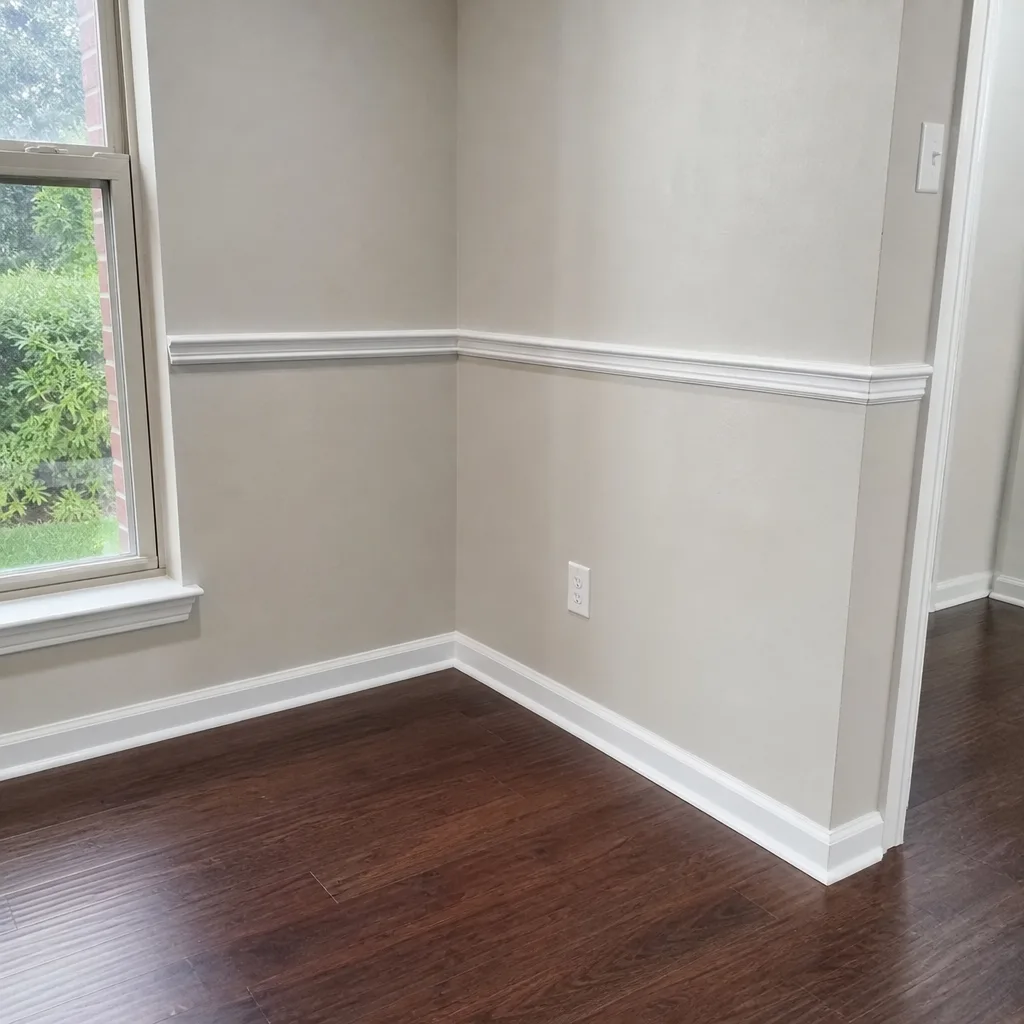 After
After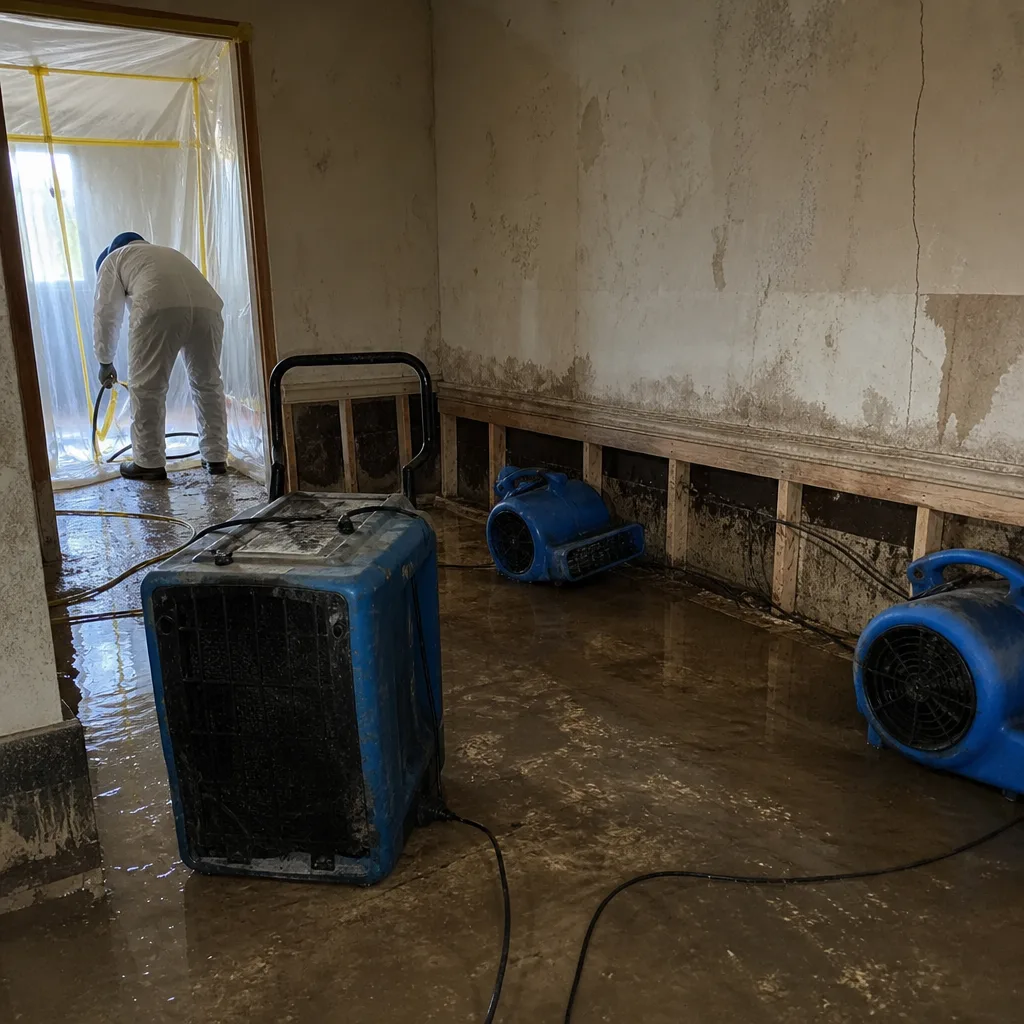 Before
 After
After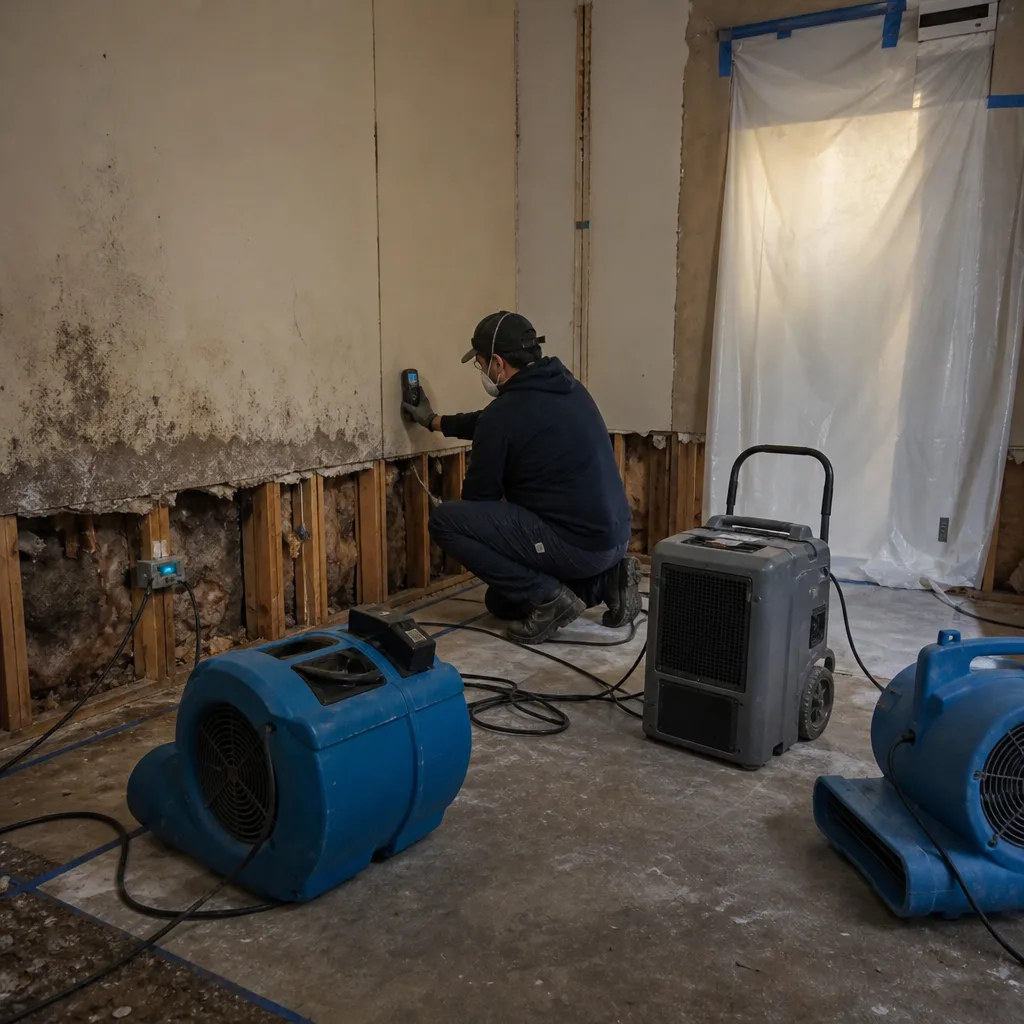 Before
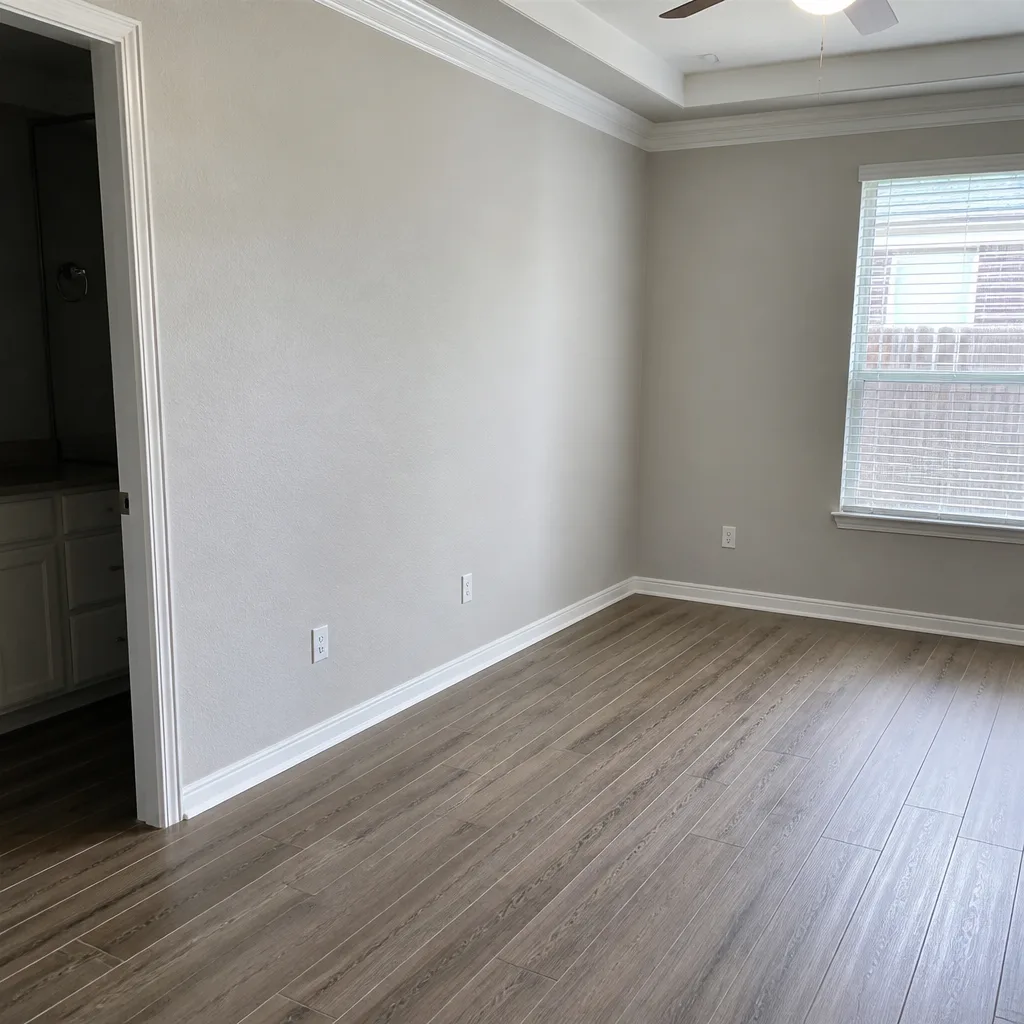 After
After