
 Water damage drying
 Fire & smoke cleanup
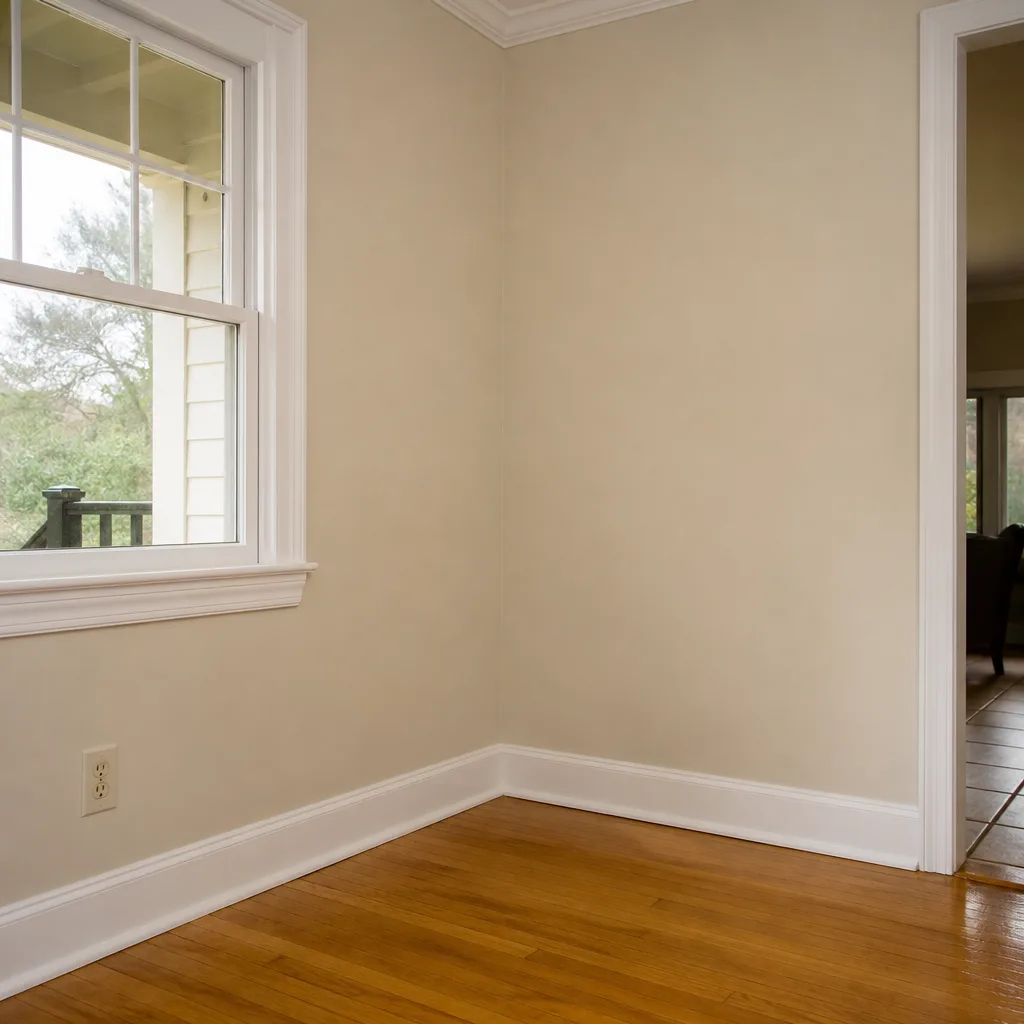 Mold remediation
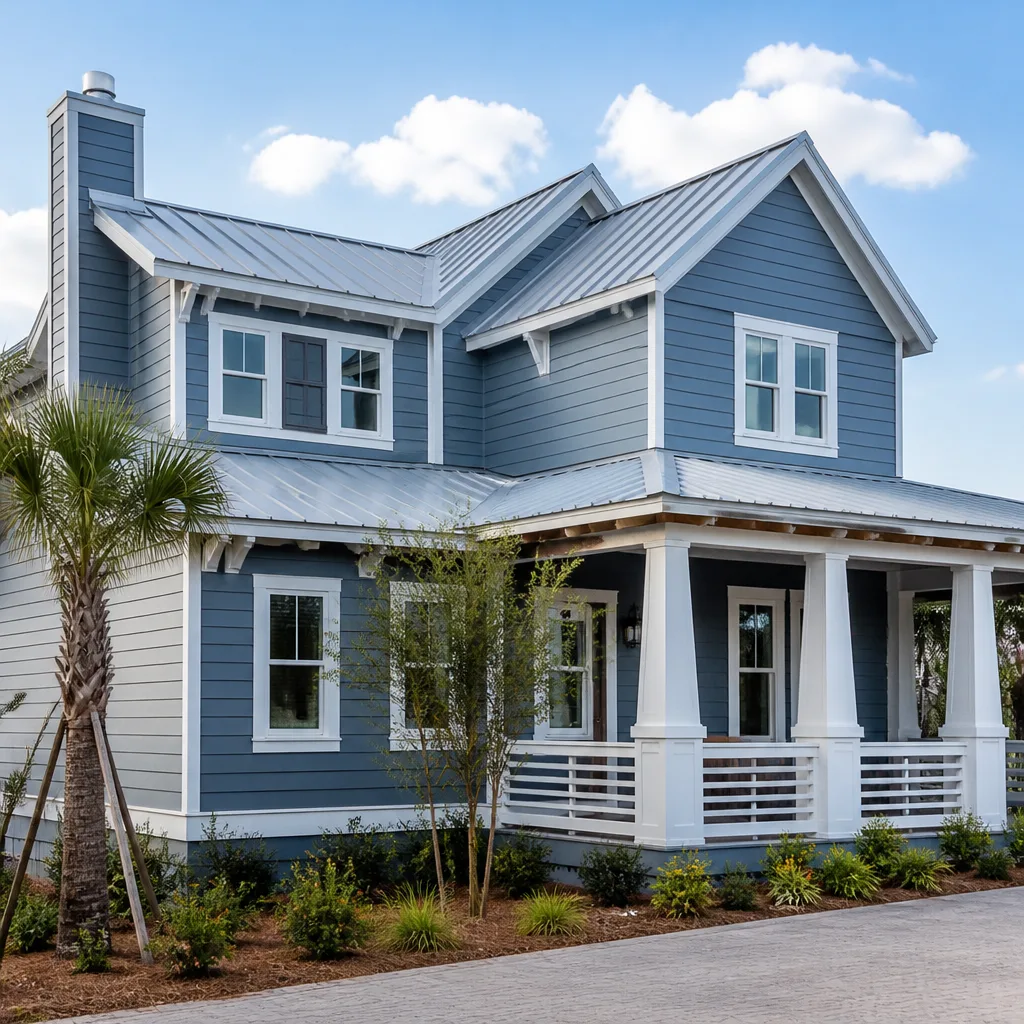 Storm response
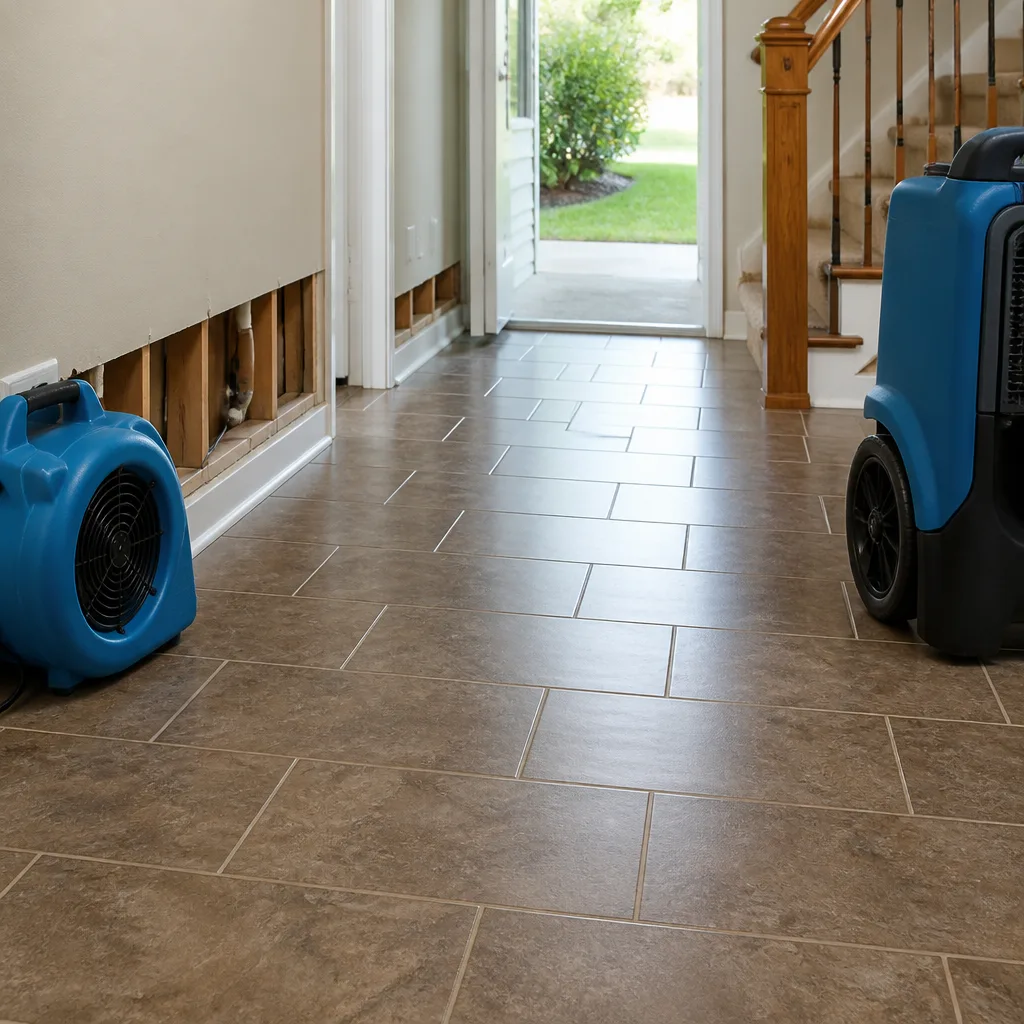 Sewage cleanup
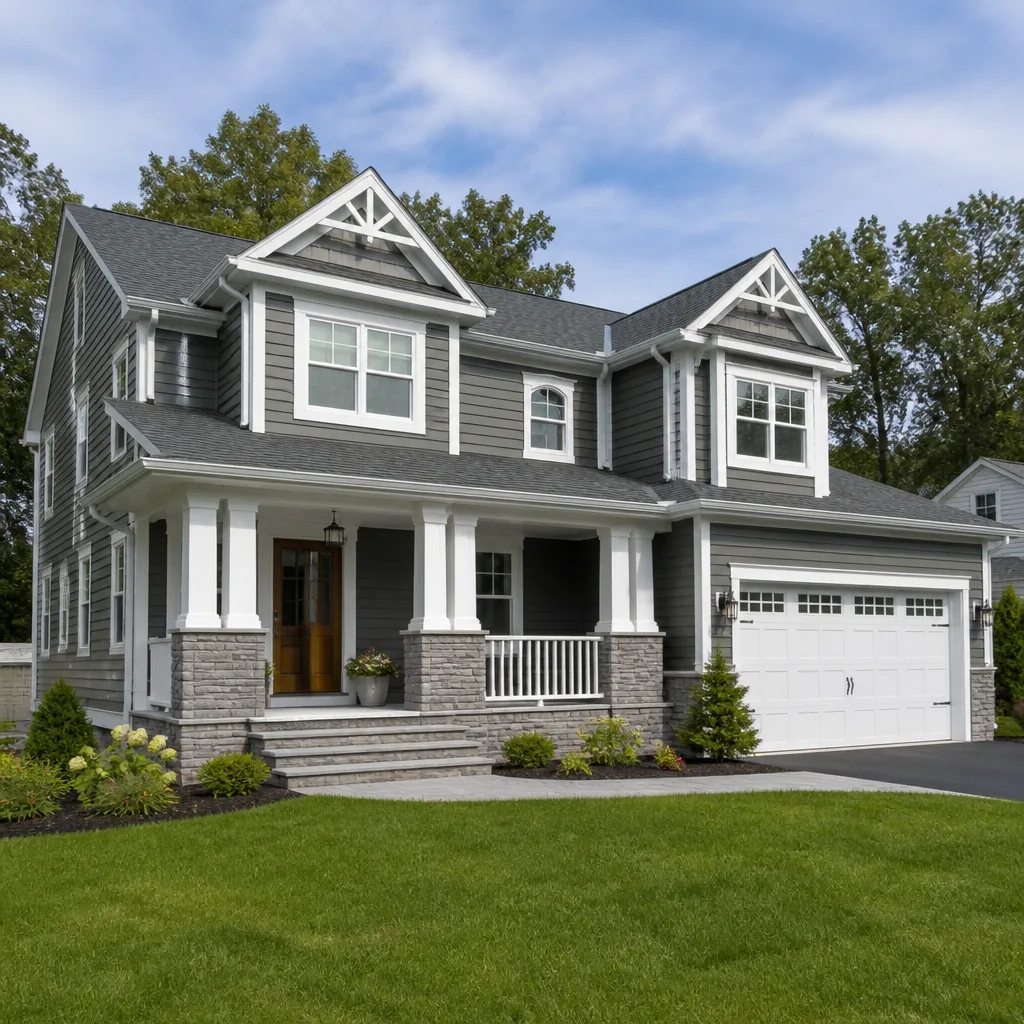 Reconstruction
Free visual inspection and a written scope of work before any mitigation begins - photos, moisture readings, and drying logs go in your claim file
The scope we write is the scope we bill. Anything new gets shown to you, in writing, before we touch it.
Get your free estimateFast, Reliable Water Damage Restoration Across Richardson
Water damage restoration in Richardson, TX typically costs between $2,400 and $7,800 depending on the extent of the loss, the category of water involved, and how long the moisture has been migrating through your home. If you’re standing in a flooded hallway right now, call (254) 857-5210 and a live person answers, day or night. We know Richardson’s homes and we know how fast water moves through a slab-on-grade house.
The short version: extraction comes first, then structural drying, then the written scope of repair. We are not the crew that shows up late, quotes low, and pads the invoice at the door. We put the price in writing before work starts, run professional-grade equipment, and back every repair with the 365-Day Done Right Promise. We dispatch to Richardson from our Dallas-Fort Worth office, and our technicians know the neighborhoods, the housing stock, and the specific ways water behaves in mid-century slab homes.
Why Keegan Restoration Dallas Is Richardson’s Preferred Water Damage Restoration Company
Richardson homeowners call us because we answer the phone with a person, not a phone tree. When a supply line lets go at 2 a.m. in Canyon Creek, the clock is running. Shane Pruitt and our team understand that the first hour determines whether you’re drying a room or replacing a floor system. We show up inside the window we give you, uniformed and background-checked, with the equipment already on the truck.
Our reputation in Richardson is built on the written scope. The Garrison Standard governs every job we run: price in writing before any work begins, professional-grade equipment from Dri-Eaz and Phoenix, full documentation formatted to support your insurance claim, and the 365-Day Done Right Promise. If a repair fails within one year, we return and make it right at no charge. That’s not marketing language. That’s the guarantee, in writing, on every job.
What separates us in Richardson is depth of local knowledge. We know that the bungalow off Arapaho Road built in 1963 has different plumbing than the two-story off Campbell Road built in 1985. We know which neighborhoods see the most slab leaks, which streets flood during spring thunderstorms, and what the humidity does to drying times in July. That’s the difference between a company that works in Richardson and a company that understands Richardson.
Restoration work we handle
Emergency Water Removal in Richardson
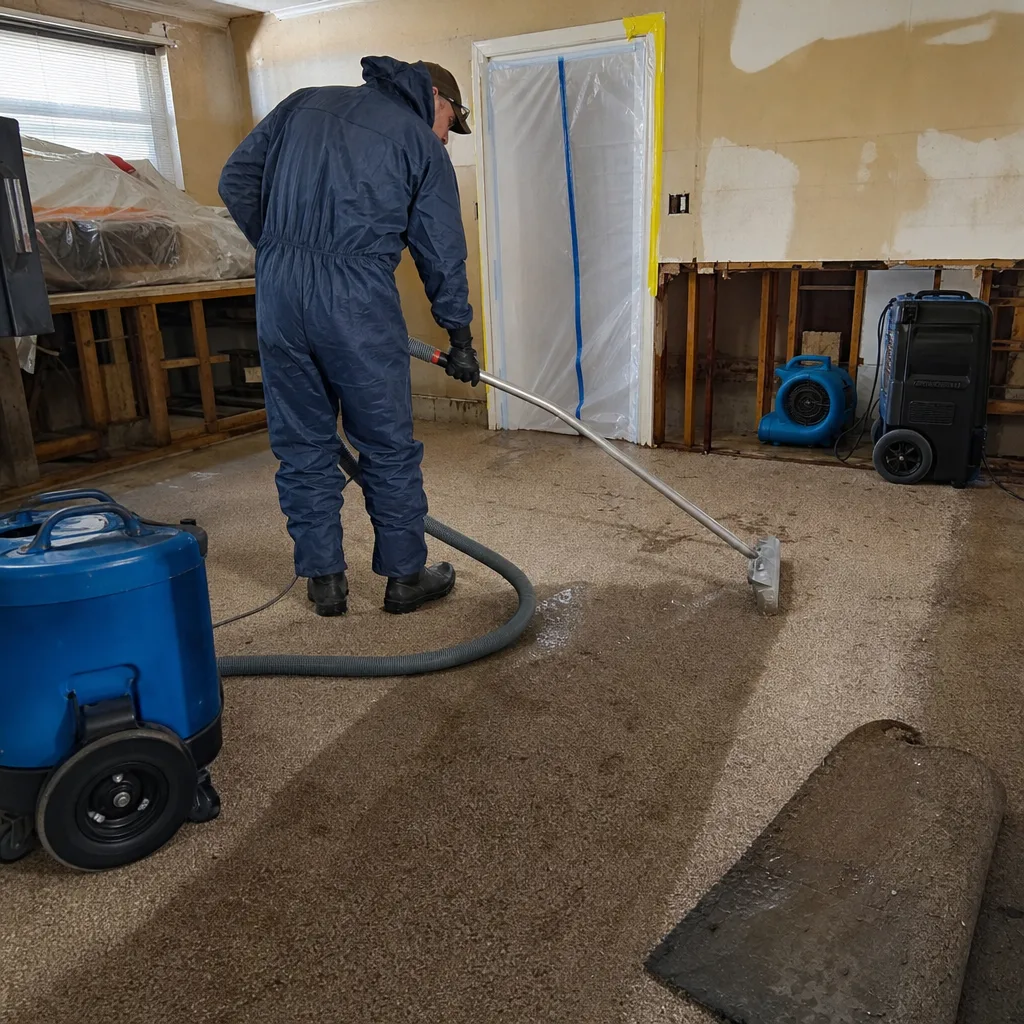
Emergency Water Removal in Richardson is the first and most urgent step when water is actively spreading through your home. We extract standing water with truck-mounted and portable extraction units, then map the moisture migration with meters and thermal imaging before a single fan gets set. In a Richardson slab home, water doesn’t just sit on the surface. It travels under vinyl plank, wicks into baseboards, and follows the slab’s natural dips and cracks into places you can’t see.
When a Richardson Homeowner Needs This
A burst supply line in a bathroom wall, a water heater that let go in the garage, a dishwasher flooding the kitchen at 11 p.m. When water is standing or actively flowing, you need extraction now, not a callback tomorrow. We answer live 24/7, and we dispatch to Richardson the same day. The longer water sits, the more it wicks upward into drywall and downward into the slab. Most emergency extraction jobs in Richardson run $900 to $2,300 depending on square footage and how far the water has traveled.
What Happens After Extraction
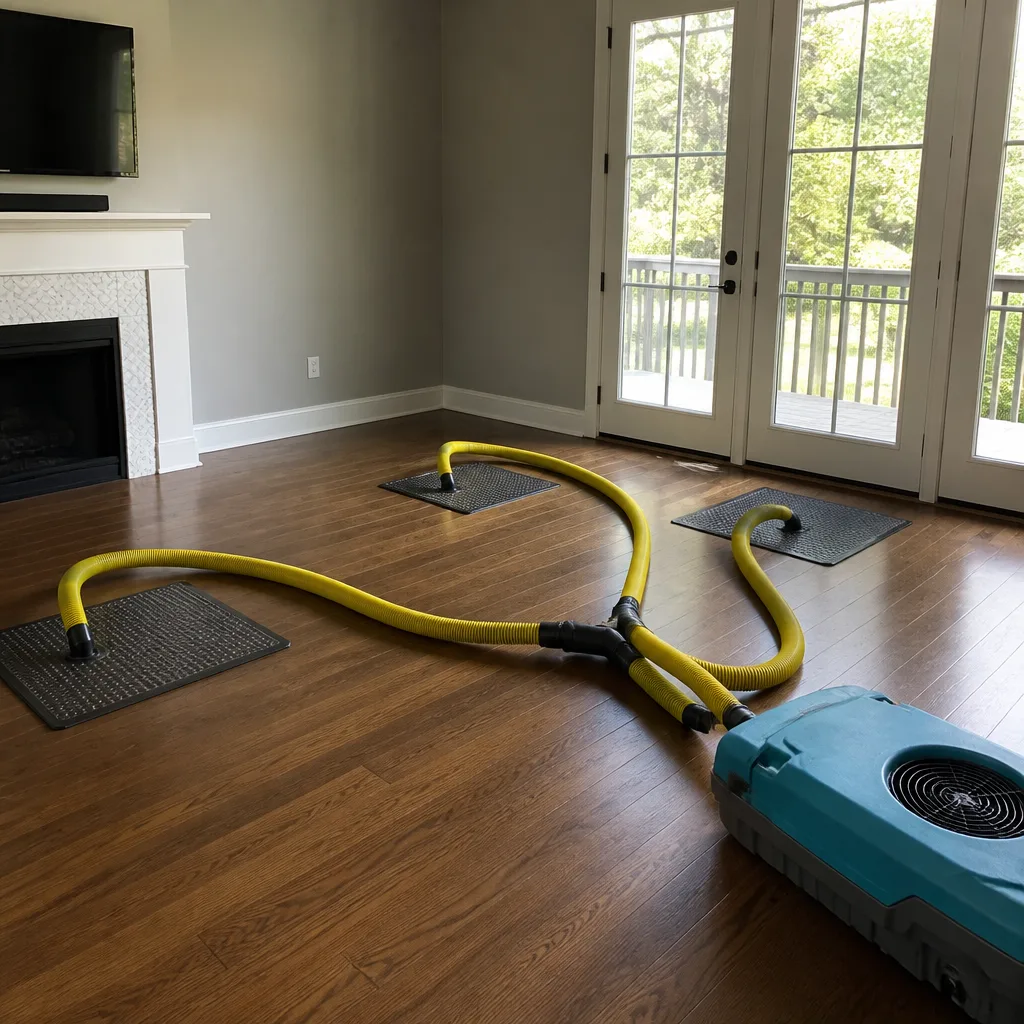
Extraction removes the standing water. Drying removes the water you can’t see. We set professional-grade dehumidifiers and air movers to pull moisture from wall cavities, subflooring, and the concrete slab itself. In a 1960s slab home, this is where psychrometrics matters: we measure the humidity load daily and adjust equipment placement until moisture readings return to a dry standard. Rushing this step is how you get mold behind baseboards two weeks later.
Flood Damage Restoration in Richardson
Flood Damage Restoration in Richardson covers water that came into the home from outside: stormwater, sewer backups, or the creeks and drainage systems that overflow during heavy rain. Spring and fall thunderstorms in Richardson can drop several inches in an hour, and the city’s aging storm drainage in older neighborhoods like the Heights and Duck Creek can back up into low-lying homes. This is not clean water. Floodwater carries silt, bacteria, and whatever else it picked up along the way.
Category 3 Water and Why It Changes Everything
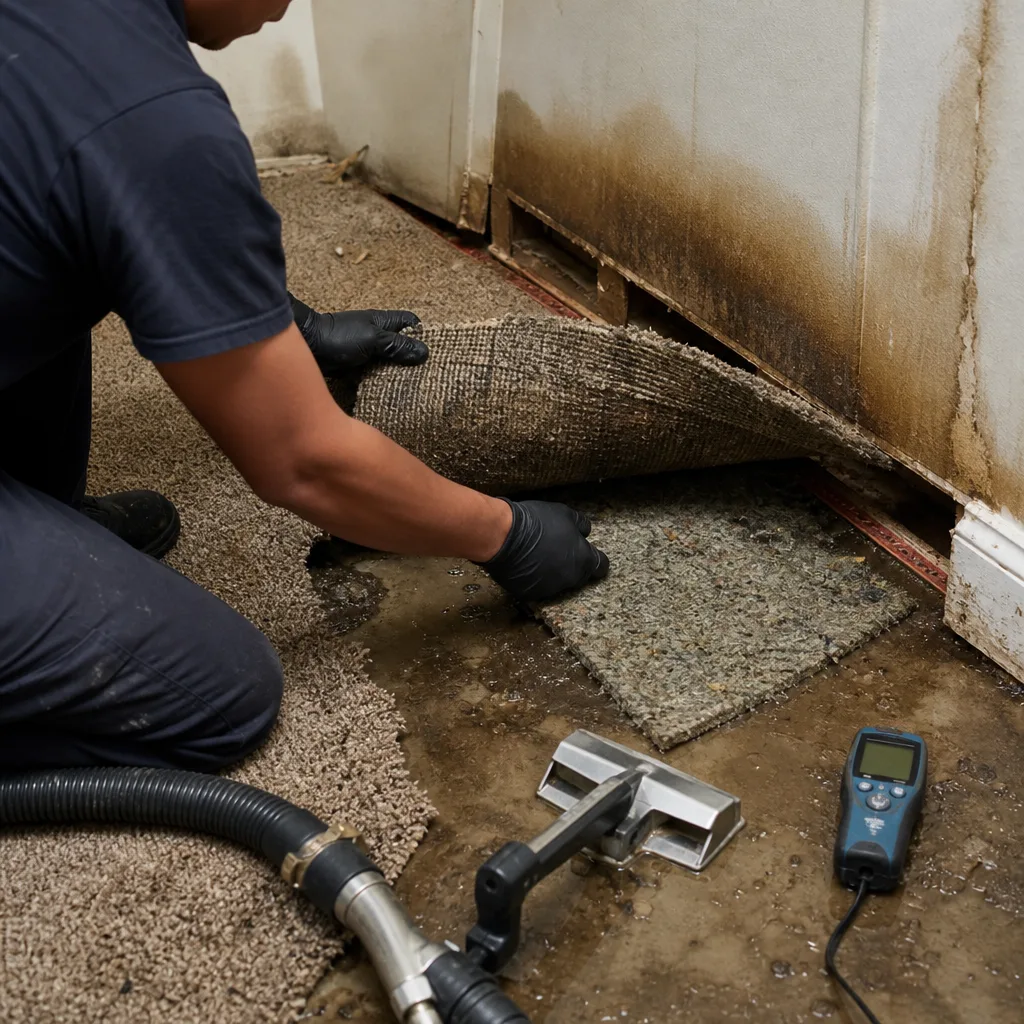
When water comes from outside or from a sewer backup, the industry classifies it as Category 3. That means it’s contaminated. The restoration protocol is different: we remove affected drywall, carpet, and pad, sanitize the surfaces, and build the containment before drying begins. A homeowner trying to dry out a Category 3 loss with box fans is creating a health hazard, not a drying plan. Most flood damage restoration in Richardson runs $4,500 to $9,800, and we walk you through the scope before any work starts.
Stormwater, Hail, and Window Leaks
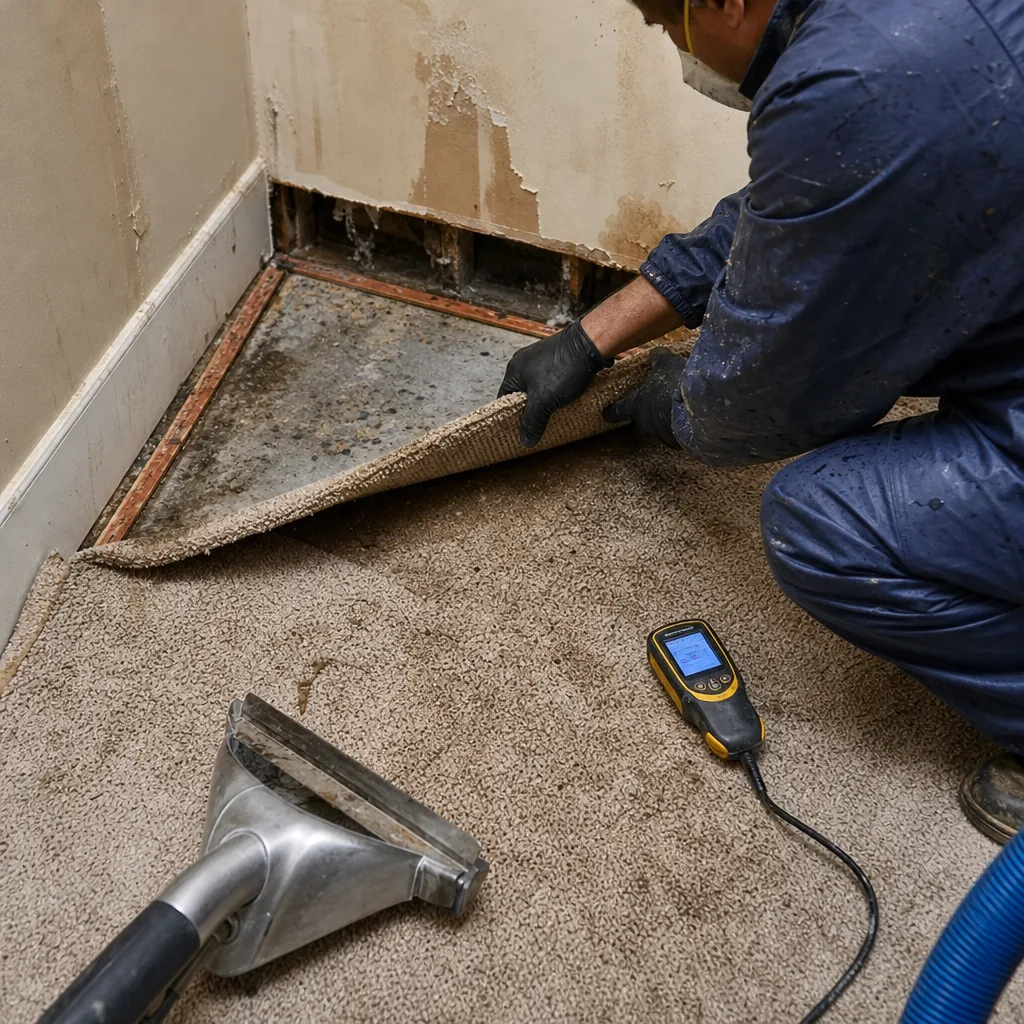
Richardson’s severe thunderstorms bring hail and wind-driven rain that saturate brick-veneer wall cavities through failed window seals and damaged roof flashing. The water travels inside the wall, soaking insulation and framing where you can’t see it. We trace the moisture with meters, open only what needs opening, and dry the cavity to a standard that prevents mold. That standard is documented, so you have the record for your insurance claim.
Trusted Brands We Service in Richardson
We stock parts and supplies that match the equipment already in most Richardson homes, which means faster turnaround when a flood, burst pipe, or storm backup throws your house into emergency mode. Our technicians work with professional-grade drying systems from Dri-Eaz, Phoenix, and XPOWER, and our methods follow IICRC and RIA standards. When we need to extract, dry, or handle a slab-level loss, we don’t improvise. We run the equipment the industry runs, and we document every reading so the insurance adjuster sees a professional scope of loss, not a guess.
See the difference
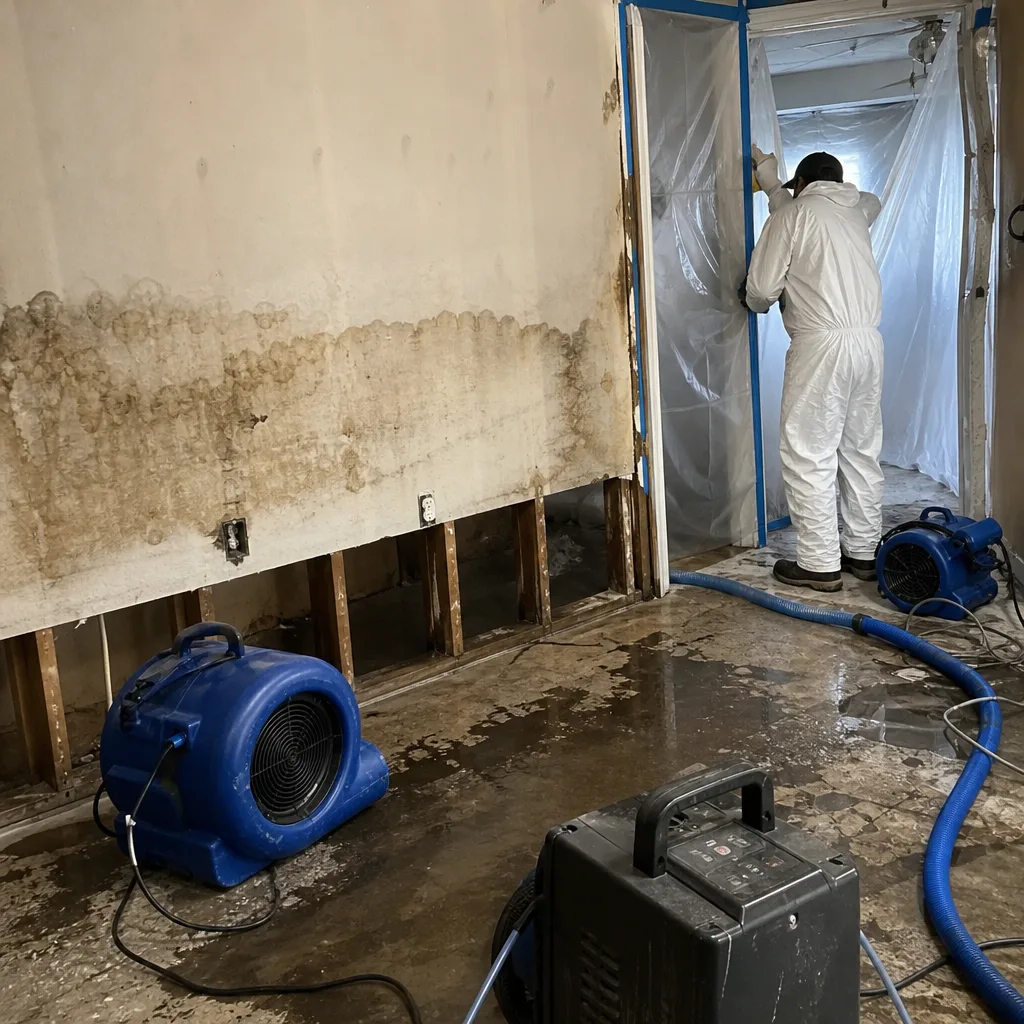 Before
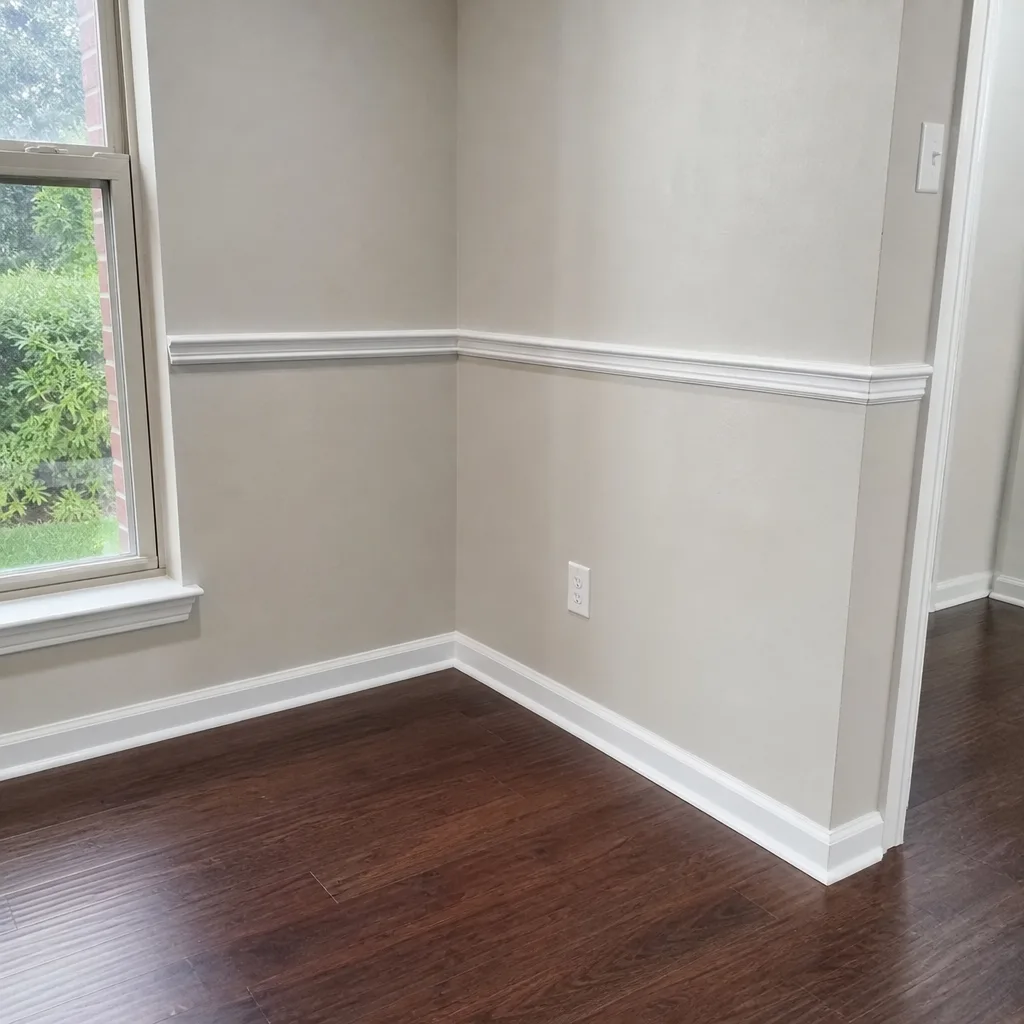 After
After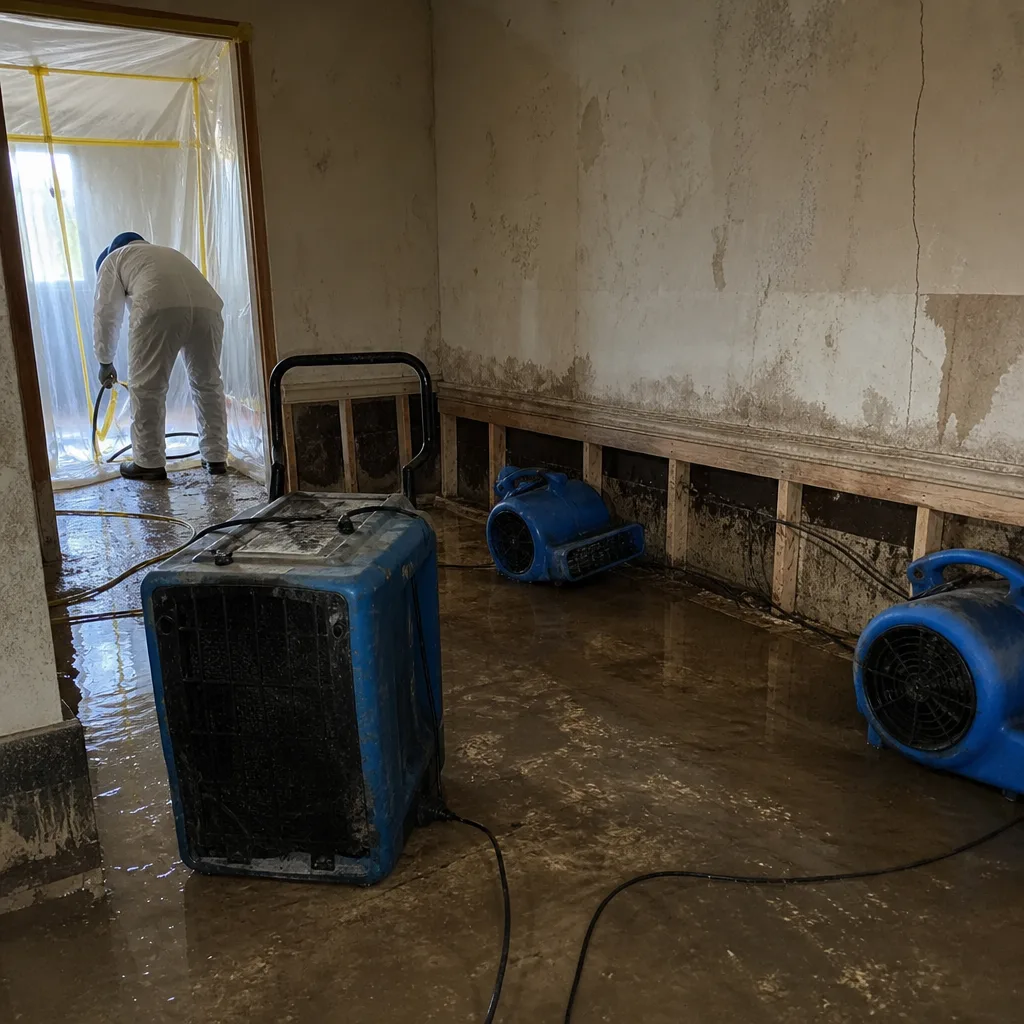 Before
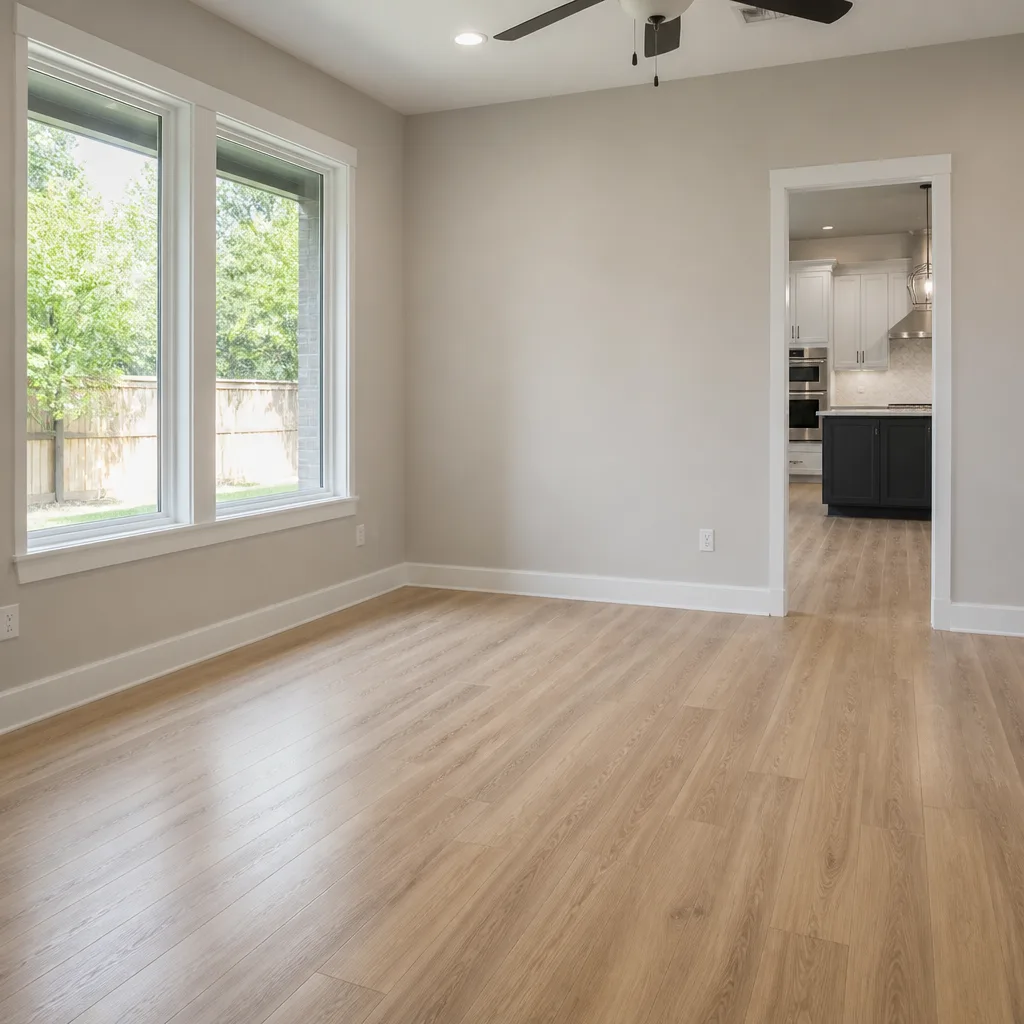 After
After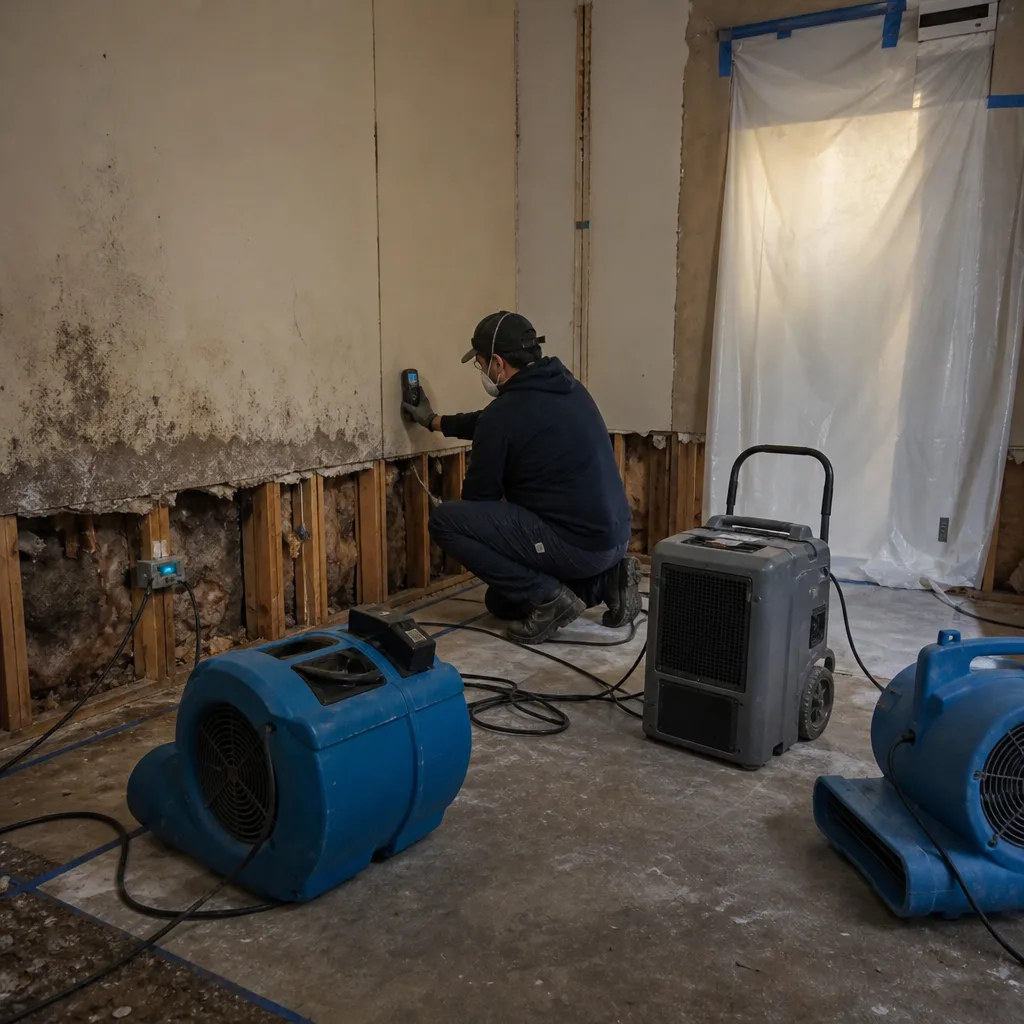 Before
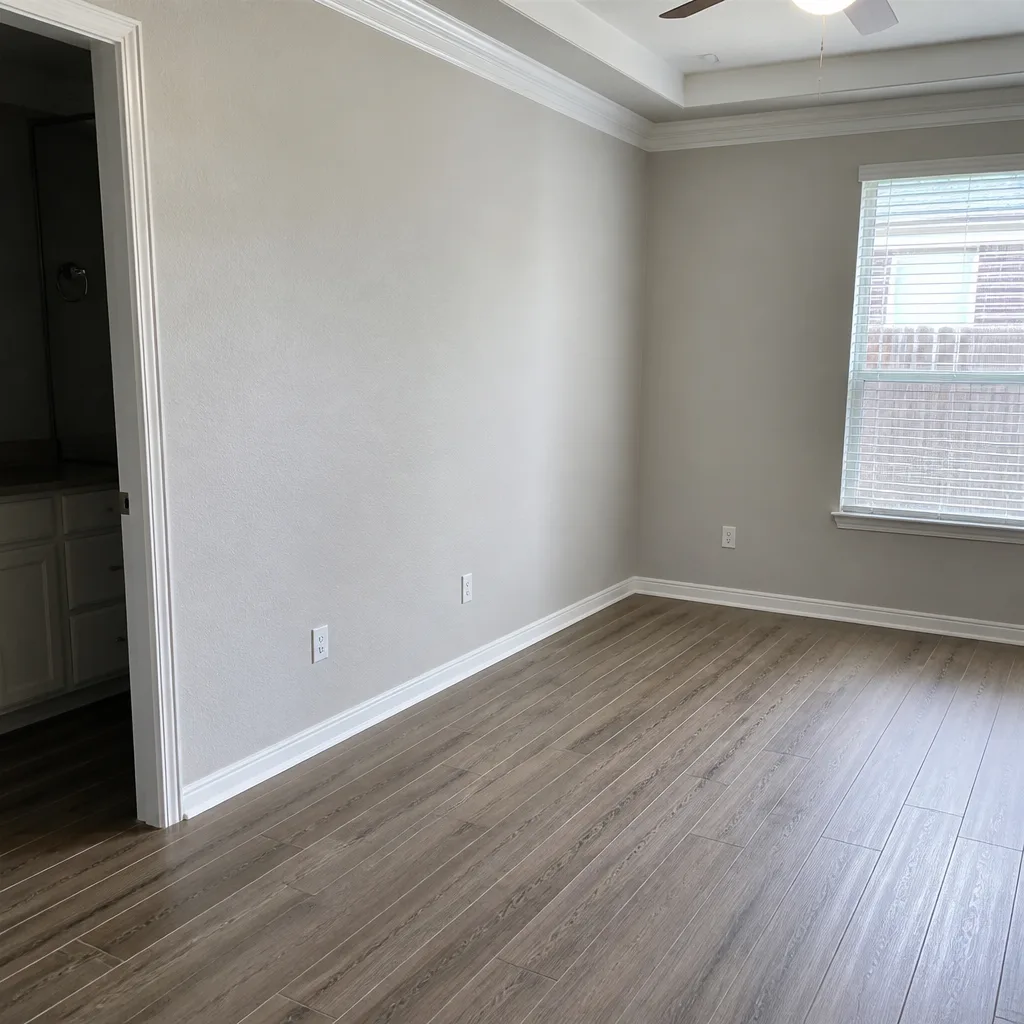 After
AfterCommon Water Damage Restoration Problems We See in Richardson Homes
- Under-slab pinhole leaks in copper supply lines. In Richardson’s 1950s – 1970s slab-on-grade homes, copper lines buried in the concrete develop pinholes from corrosion over decades. The first sign is often a hot spot on the tile floor or a water bill that spiked without explanation. Surface moisture meters miss these leaks entirely because the water is under the slab, not on top of it.
- Cast-iron drain line failures sending Category 3 water into bathrooms. The original cast-iron drain lines in mid-century Richardson homes are now 50 to 70 years old. When they crack or collapse, sewage backs up into tubs and showers. Homeowners sometimes try to dry this themselves without realizing the water is contaminated, which makes the problem far worse and far more expensive than it needed to be.
- Post-storm brick-veneer wall cavity saturation. Hail and wind-driven rain find every failed window seal and every gap in roof flashing. The water saturates the wall cavity between the brick veneer and the interior drywall, and without proper containment and structural drying, mold develops within 24 to 48 hours. By the time you see the stain on the wall, the framing behind it has been wet for days.
- Hidden water migration under vinyl plank flooring. In slab homes, water from a supply line leak or an overflowing fixture travels under floating vinyl plank flooring silently. The plank looks fine on top while the water spreads underneath, wicking into baseboards and drywall. We find these with thermal imaging and moisture mapping before we open any floor.
Pricing for Water Damage Restoration in Richardson, TX
We put real numbers in front of you before any work starts. Emergency water extraction in Richardson generally runs $900 to $2,300. Structural drying after a hidden leak typically runs $1,800 to $4,200 depending on the square footage and how long the water has been migrating. Full flood damage restoration, including Category 3 water handling, sanitizing, and rebuild, runs $4,500 to $9,800 for most Richardson homes. A slab leak that has been running for weeks usually lands in the $5,000 to $12,000 range because the water has traveled under the slab, into wall cavities, and often under cabinetry and vanities.
What moves the price is not our mood. It’s how far the water traveled, what it soaked, and whether it’s clean or contaminated. You get the written scope before any work begins. Call (254) 857-5210 for an exact quote. Estimates are free.
We Also Serve Cities Near Richardson
Our Richardson crews also run restoration jobs in Water Damage Restoration in Richardson neighbor communities: Addison, Garland, Sachse, and Dallas. If you’re in one of those cities and have water damage right now, call (254) 857-5210. The same live person answers every time, and the same written-standard process applies. For more on how we handle water losses, see our Water Damage Restoration hub page.
Serving Richardson, TX - Our Local Coverage Area
We’re based in the Richardson area and know this community well. Use the map below to see our service coverage - if you’re nearby, we can almost certainly help.
FAQs About Water Damage Restoration in Richardson
Because the leak is under the concrete slab, not above it. Copper supply lines in Richardson’s 1950s – 1970s slab-on-grade homes develop pinhole leaks from decades of corrosion, and the water migrates through the soil and up through the slab. You might notice a warm spot on the tile, a spike in the water bill, or a musty smell before you ever see standing water. Standard moisture meters read the surface only, which is why we use electronic leak detection and thermal imaging to locate the source before any demolition starts. If you suspect a slab leak in Richardson, call (254) 857-5210 for a detection and scope, no obligation.
Category 3 water is grossly contaminated: sewage, floodwater, or any water that has picked up bacteria and pathogens. In Richardson’s older homes, a cracked cast-iron drain line sends Category 3 water up into tubs and showers. You need more than drying. We remove affected drywall and flooring, sanitize the surfaces, contain the area, and build a drying plan from there. Never try to dry Category 3 with fans. Call (254) 857-5210 and we’ll tell you exactly what the scope is before we touch anything.
Within 24 to 48 hours, and faster is always better. In a Richardson slab home, a burst pipe inside a wall saturates the drywall, insulation, and framing. Mold growth begins within one to two days. We set extraction and drying equipment the same day we’re called, because every hour the drywall stays wet, the more likely it becomes that the drywall has to be replaced instead of dried. Call (254) 857-5210 as soon as you see the water, not after you’ve tried to handle it for a weekend.
It depends on how long the water has been in contact and whether it’s solid hardwood or engineered. In many 1960s Richardson homes, the original oak strip flooring can often be saved if we get extraction started within about 48 to 72 hours. We use drying mats and targeted dehumidification to pull the water out slowly and evenly. If the floor has buckled or cupped badly, or if the water was contaminated, replacement is the honest recommendation. We’ll show you the moisture readings and the logic before you make a call.
Because the plumbing, the slab, and the construction methods are all different. A 1960s Richardson home sits on a slab that has settled and shifted for six decades, and it was built with cast-iron drains and copper supply lines that are now at the end of their service life. Water from a leak in that house travels through clay soil, under the slab, and into wall cavities built without modern vapor barriers. Restoration means finding the source with electronic leak detection, accounting for the slab’s movement, and drying materials that behave very differently than the engineered products used in newer construction. The process is the same discipline, but the targets are different.
Written by Shane Pruitt, Owner at Keegan Water Damage Restoration, part of the Garrison Partners family, providing water damage restoration, fire damage restoration, and mold remediation to Richardson, TX.