
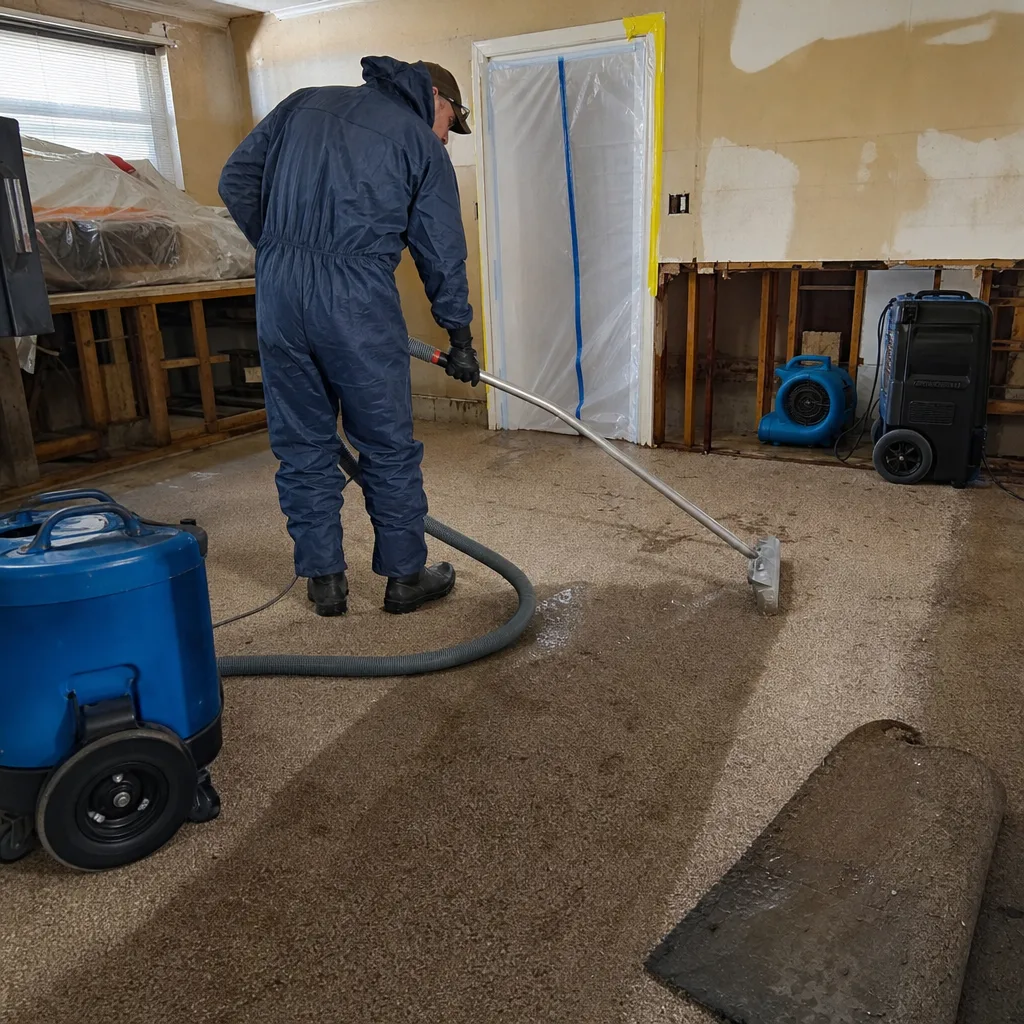
 Water damage drying
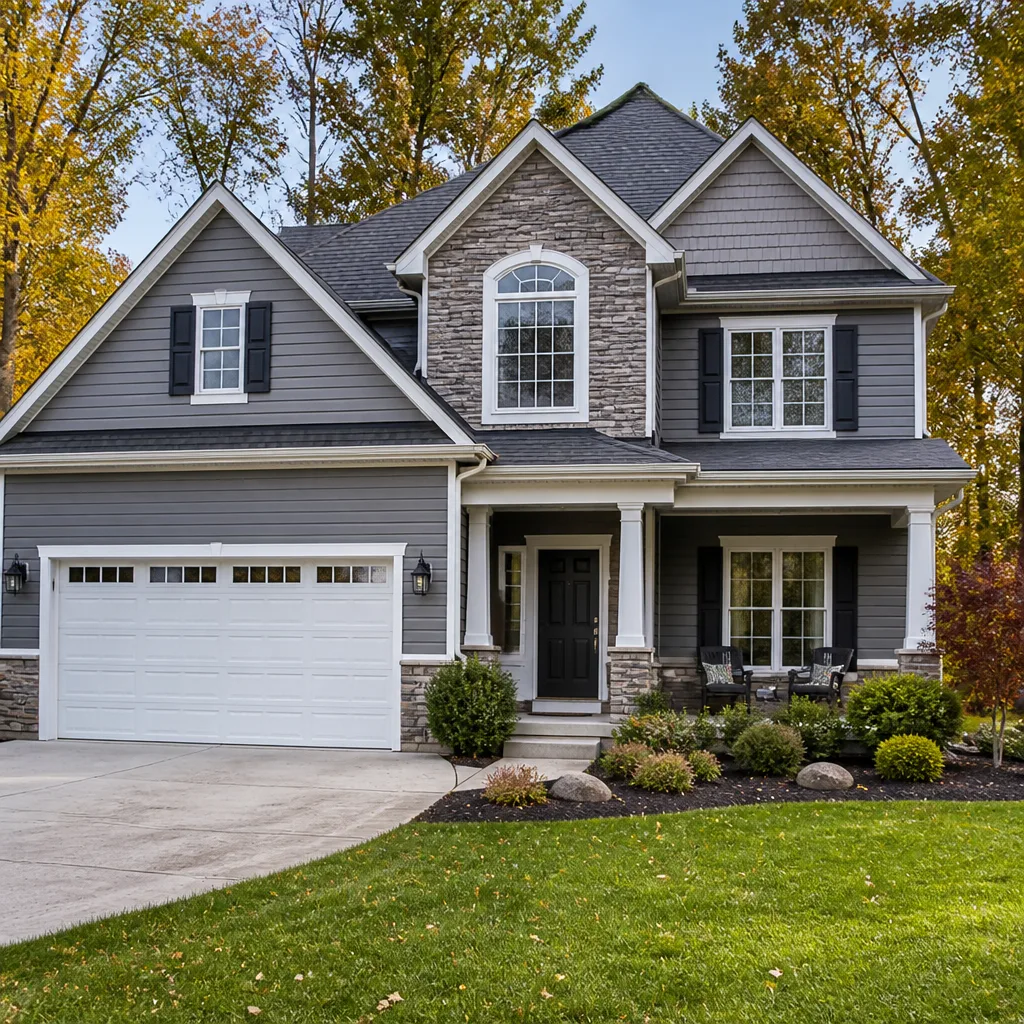 Fire & smoke cleanup
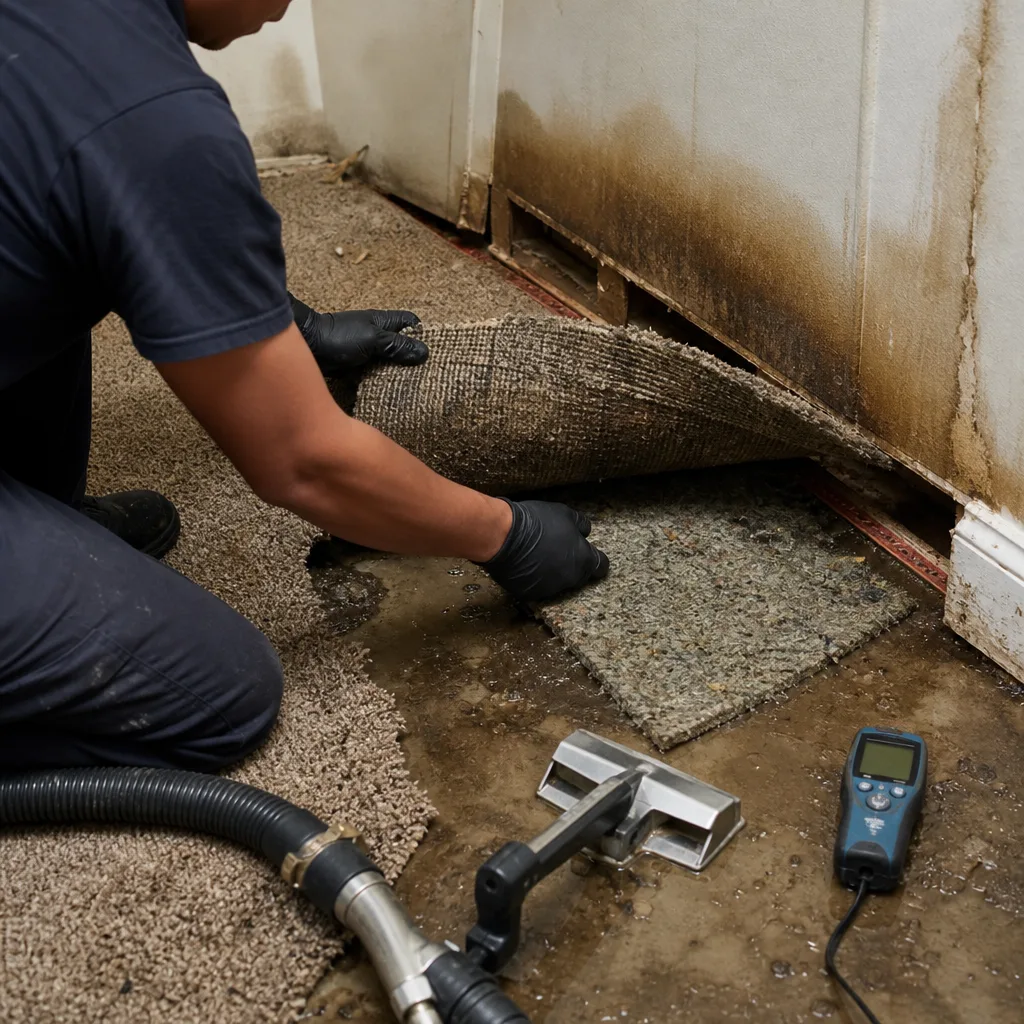
 Mold remediation
 Storm response
 Sewage cleanup
 Reconstruction
Free visual inspection and a written scope of work before any mitigation begins - photos, moisture readings, and drying logs go in your claim file
The scope we write is the scope we bill. Anything new gets shown to you, in writing, before we touch it.
Get your free estimateFast, Reliable Water Damage Restoration Across Cedar Hill
Water damage restoration in Cedar Hill typically costs $1,800 – $6,500 depending on the category of water, square footage affected, and whether structural drying or full pack-out is required. Most emergency extraction calls in this area are answered within 90 minutes. If water is actively entering your home right now, call (254) 857-5210 and a live person will answer, day or night.
Cedar Hill sits on the Balcones Escarpment, which means storms hit harder here than in flat suburbs to the east. Wind-driven rain, flash flooding, and drainage failures are recurring problems for homeowners in Lake Ridge, High Pointe, and the older hillside streets off Belt Line Road. Our crews know these neighborhoods and the specific ways water moves through them, so we show up with the right equipment and a written scope before any work begins.
Why Keegan Restoration Dallas Is Cedar Hill’s Preferred Water Damage Restoration Company
Keegan Water Damage Restoration has been part of the Garrison Partners family since 2005, and the crews dispatched to Cedar Hill work to one standard: The Garrison Standard. That means the price is in writing before any work starts, technicians are background-checked and arrive in uniform, and every repair carries the 365-Day Done Right Promise. If the work fails within a year, we return and make it right at no charge. Simple as that.
Shane Pruitt leads the team, and the reputation we’ve built in Cedar Hill comes down to discipline. Homeowners here have told us stories about contractors who no-showed, moved the price at the door, or left a job half-finished. We don’t operate that way. Our techs document every step with photos and moisture readings, formatted to support your insurance claim. That documentation matters when an adjuster starts asking questions about what was wet, what was dried, and why.
Response time to Cedar Hill is coordinated from our Dallas-Fort Worth office, and we dispatch locally so we’re typically on-site within 60 to 90 minutes for emergency extraction. For a homeowner watching water spread across a slab foundation, that speed is the difference between a drying job and a full reconstruction.
Restoration work we handle
Emergency Water Damage Restoration in Cedar Hill
Emergency water damage restoration in Cedar Hill is what happens in the first hours after a supply line bursts, a storm overwhelms a retaining wall, or a water heater lets go in a hallway closet. The goal is extraction first, containment second, and structural drying third. We bring truck-mounted extraction units and professional-grade equipment from Dri-Eaz, Phoenix, and XPOWER, operated to IICRC standards. The cost for emergency extraction and initial drying in Cedar Hill typically runs $1,200 – $3,500, depending on how much water is standing and how far it has traveled through wall cavities and flooring.
In Cedar Hill, emergency calls spike during spring and early summer thunderstorms. The escarpment geography funnels intense rain into hillside neighborhoods faster than drainage systems built in the 1980s can handle. When a retaining wall fails or a french drain clogs, water doesn’t pool politely in the yard. It moves downhill and into the lowest point of the house, which is usually the garage or a finished lower level.
What Happens in the First Hours
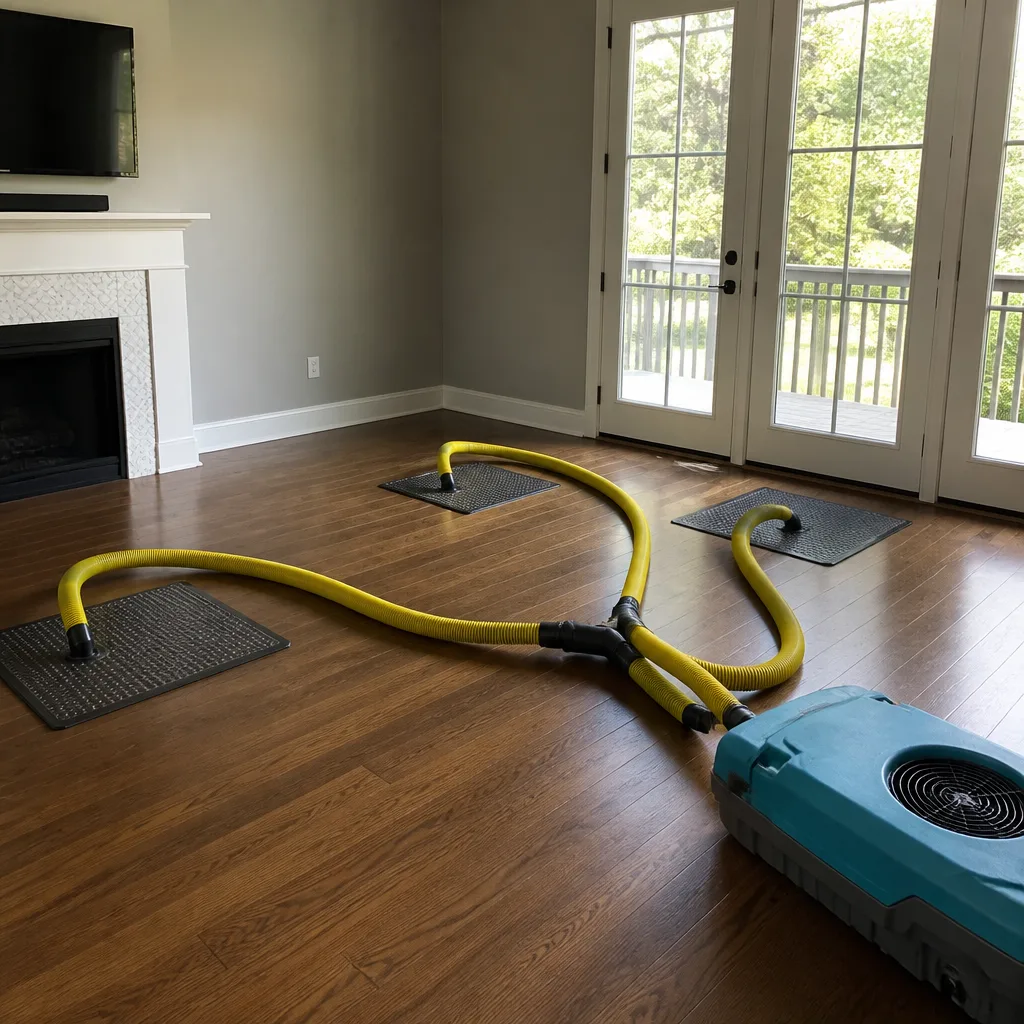
We extract standing water, remove saturated materials that cannot be saved, and set up containment if the water is category 2 or category 3. Our techs map moisture with thermal imaging and moisture meters, because water hides behind baseboards and inside cavity walls where you can’t see it. Then structural drying begins with dehumidifiers and air movers, running until the moisture content of framing returns to a normal range.
Why Speed Matters on Hillside Lots
Slab-on-grade homes on sloping lots in Cedar Hill have a specific vulnerability: water that enters at the garage or lower level wicks upward through sheetrock and insulation. By day three, that hidden moisture supports mold growth inside wall cavities that no standard drying setup will fix without opening the drywall. The faster extraction starts, the smaller the job stays.
Water Damage Repair in Cedar Hill
Water damage repair in Cedar Hill is the reconstruction phase that follows emergency extraction and drying. Once the framing is dry and the scope of loss is documented, repair work includes replacing drywall, insulation, baseboards, and flooring that could not be saved. Repair costs for a typical Cedar Hill water loss run $2,500 – $6,500 on average, with smaller isolated repairs like a ceiling patch or a bathroom wall starting around $900 – $1,800.
Cedar Hill’s housing stock leans heavily toward 1970s through 1990s brick veneer homes on slab foundations. That matters because brick veneer hides water intrusion behind the brick, where it travels down the backside of the wall and pools at the sill plate. By the time a homeowner sees a stain on the sheetrock, the damage is usually older than it looks and the repair scope has grown.
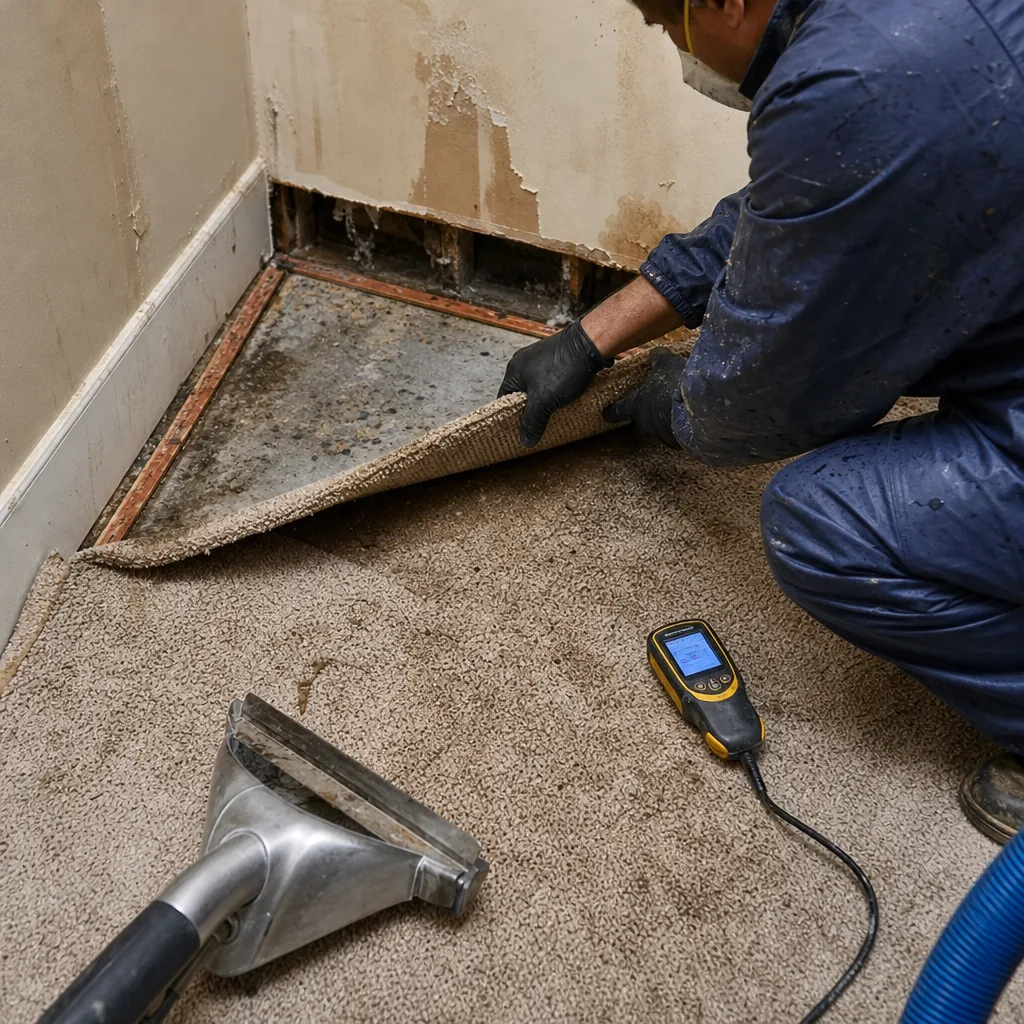
Brick Veneer and Hidden Moisture
Wind-driven rain from escarpment storms pushes water through older mortar joints and failed window flashing. The water runs behind the brick, soaks the insulation and framing, and eventually shows up as paint bubbling or a musty smell on an interior wall. Repairing this properly means opening the affected wall, drying the cavity, and replacing damaged materials, then addressing the exterior entry point so it doesn’t happen again next storm season.
Repair After a Retaining Wall Failure
When a retaining wall gives way in the Lake Ridge area, the repair often extends beyond water damage into soil removal, lower-level finish restoration, and drainage corrections. Mud and silt carry contaminants that categorize the water as category 3, which means saturated drywall and insulation get removed, not dried. We scope that work in writing before touching anything, so you know exactly what the repair involves and what it costs.
Trusted Brands We Service in Cedar Hill
Our equipment roster includes Dri-Eaz, Phoenix, XPOWER, B-Air, and Injectidry, and every piece is maintained to perform on the job sites we run in Cedar Hill. We follow IICRC, RIA, and IFA industry standards for water damage restoration, which means the drying plan is built on psychrometrics, not guesswork. Homeowners who work with us get the same professional-grade equipment that commercial restoration firms use, operated by technicians who document every phase of the job for your insurance claim.
See the difference
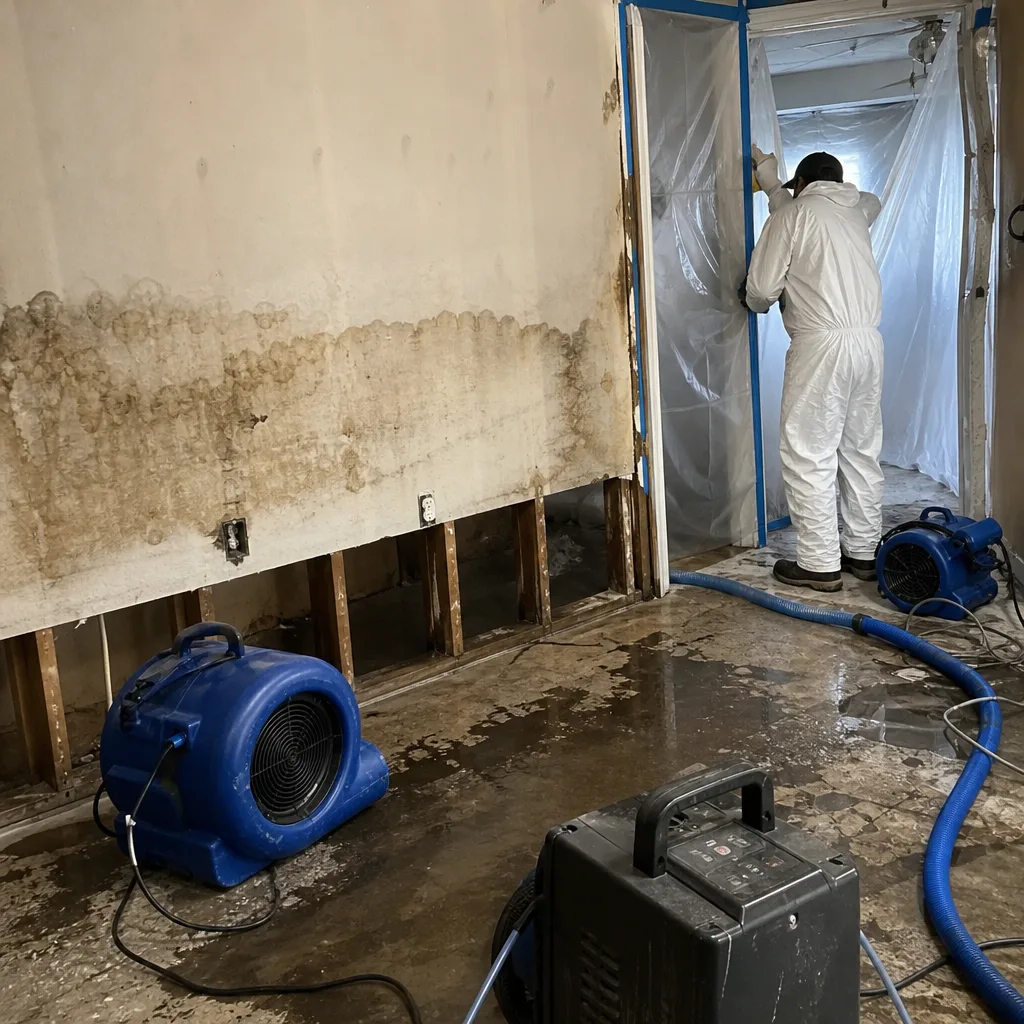 Before
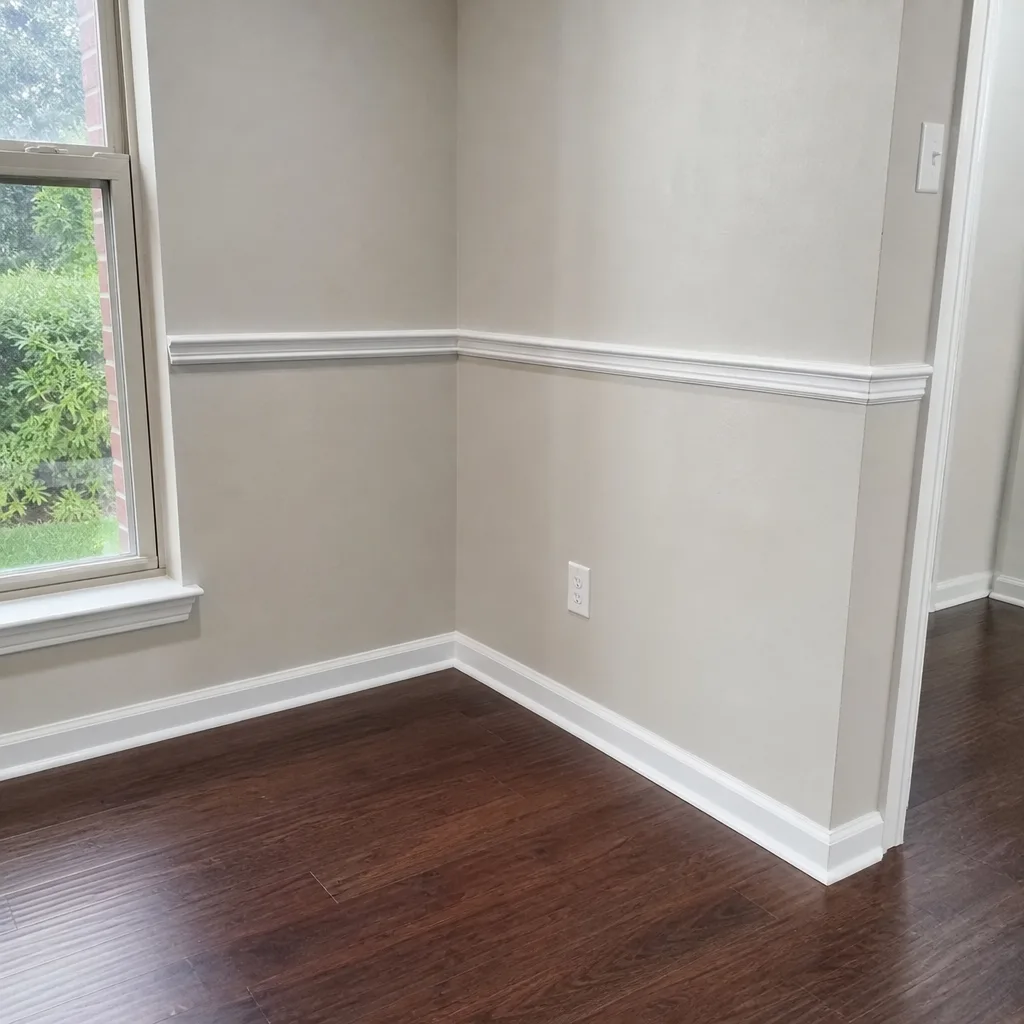 After
After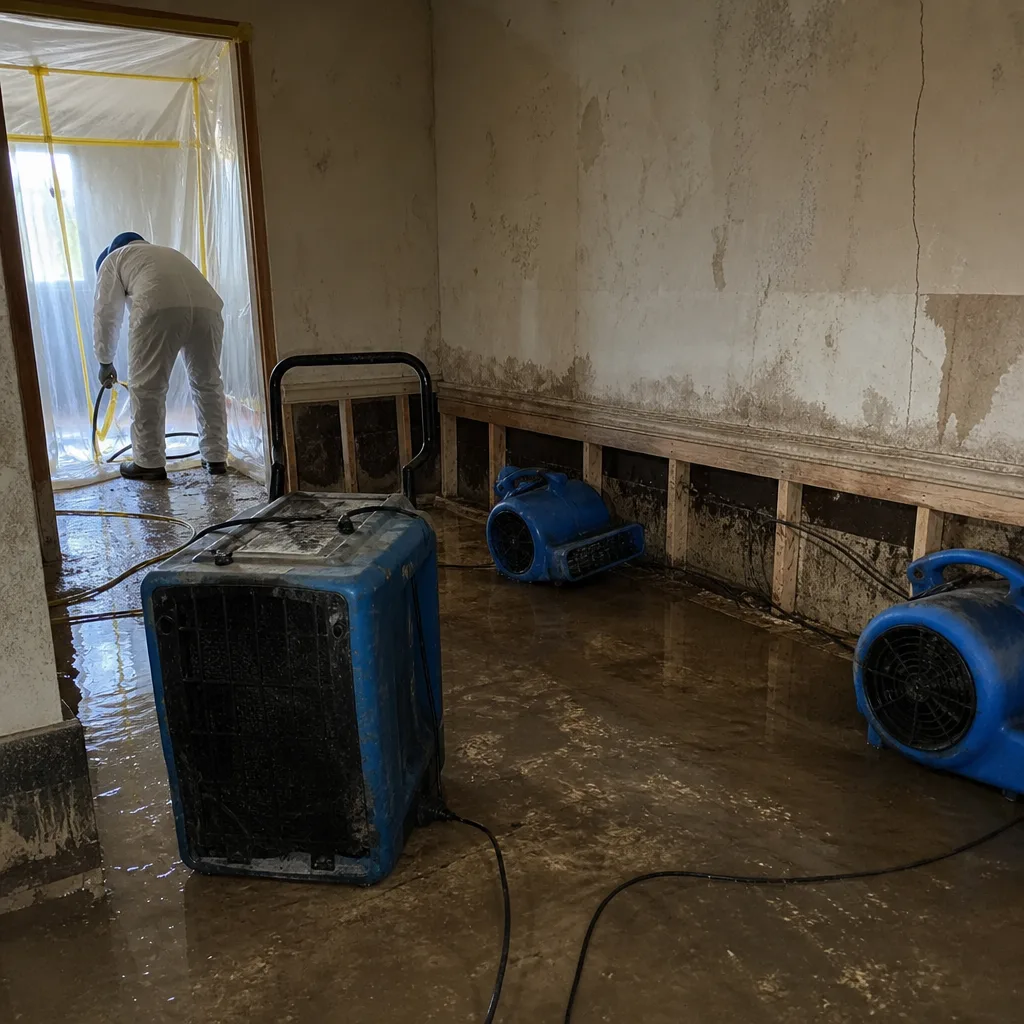 Before
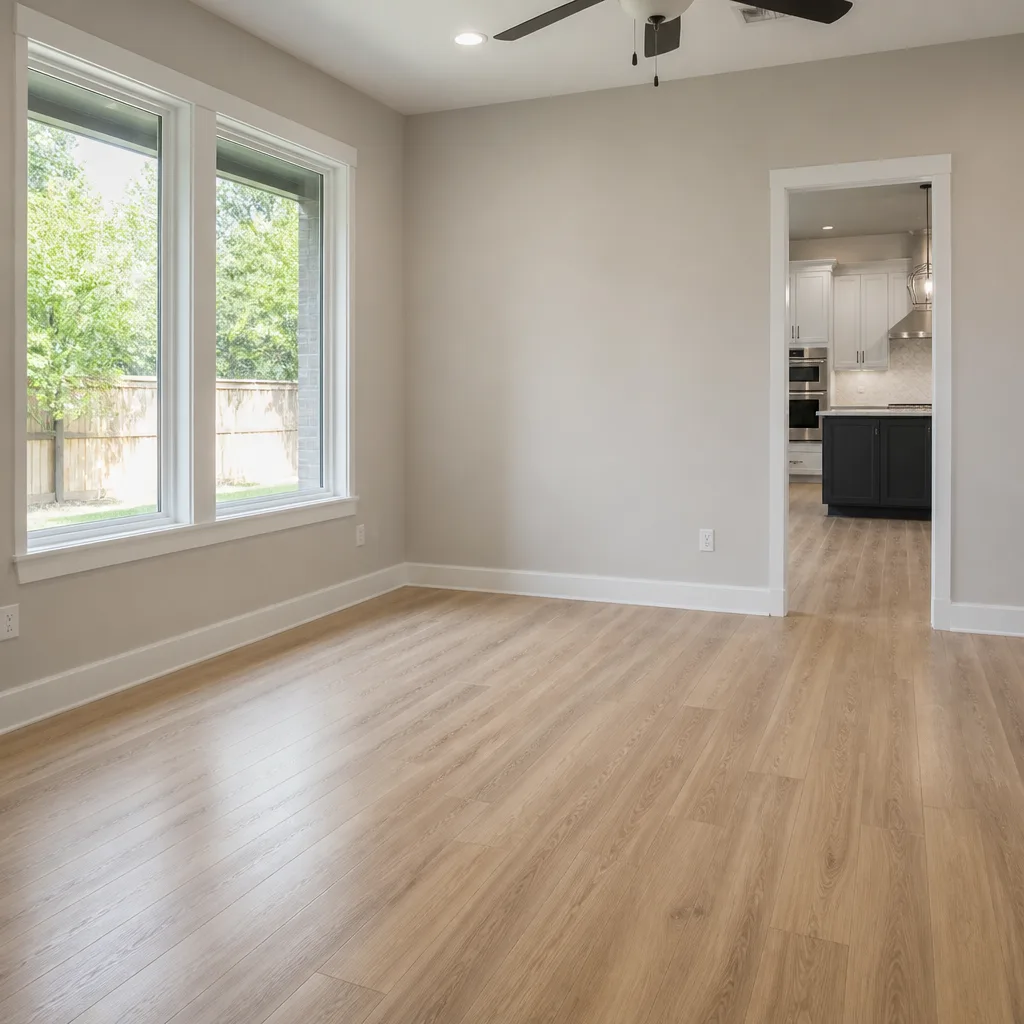 After
After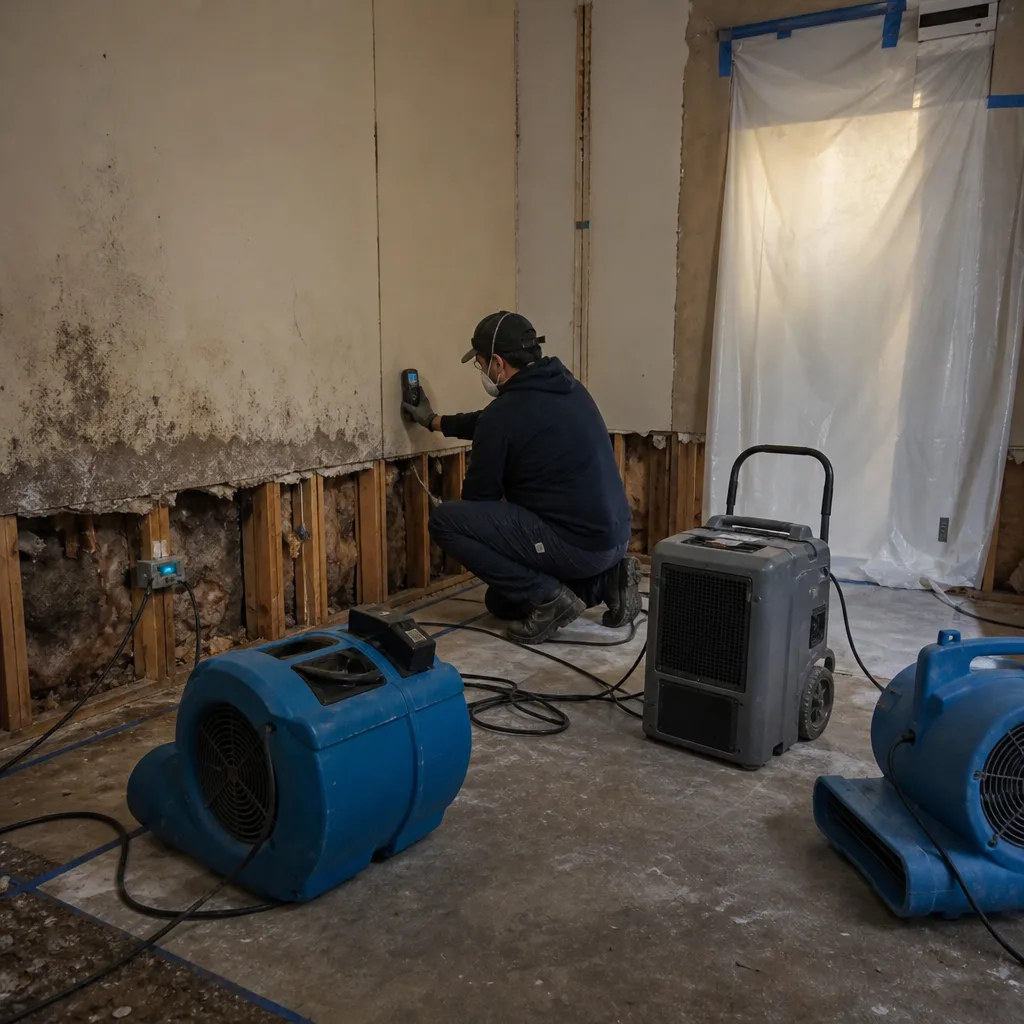 Before
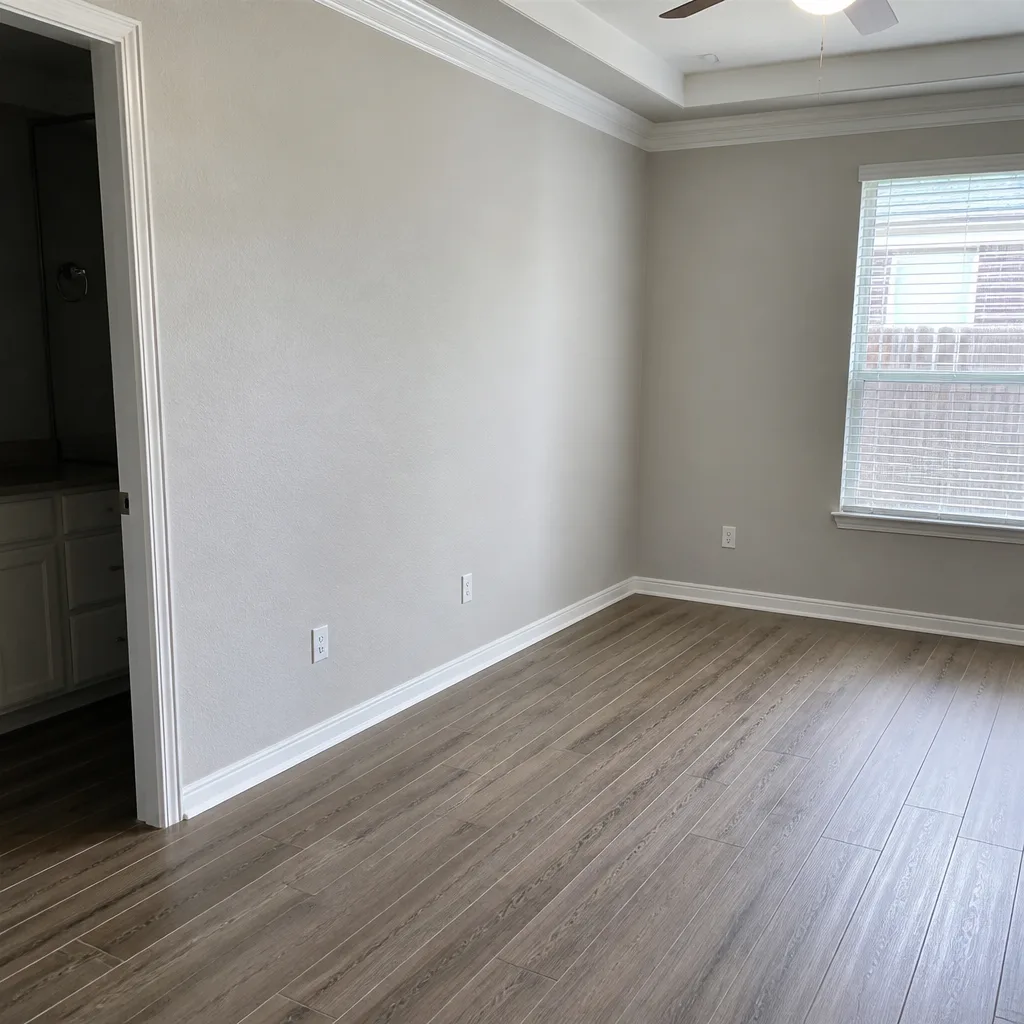 After
AfterCommon Water Damage Restoration Problems We See in Cedar Hill Homes
- Wind-driven rain through brick veneer. Escarpment storms push rain sideways into older brick and window flashing, leaving hidden moisture in wall cavities that standard drying misses without thermal imaging and moisture mapping.
- Slab foundation settlement on sloping lots. Heavy rain saturates the clay-heavy soils on hillside lots, causing slabs to shift and crack. Water then channels through those cracks into lower-level garages and finished living spaces.
- Retaining wall failures in hillside communities. In Lake Ridge and surrounding hillside areas, retaining walls designed years ago can fail during intense storms, sending mud and category 3 water into garages and lower levels, a failure mode you rarely see in Duncanville or DeSoto.
- Delayed response after a “clean” water event. Homeowners wait because the water looked clean, but by day three the drywall is colonized with mold and the job escalates from mitigation to full pack-out and replacement.
Pricing for Water Damage Restoration in Cedar Hill, TX
Here are the price ranges Cedar Hill homeowners should expect for common water damage restoration services:
- Emergency water extraction: $900 – $2,500 depending on standing water volume and accessibility.
- Structural drying and dehumidification: $1,200 – $3,500 for a typical room or garage space.
- Ceiling or roof leak water damage repair: $900 – $2,800 depending on whether the ceiling needs full replacement.
- Burst pipe restoration (supply line): $2,000 – $6,000 including extraction, drying, and repair of affected drywall and flooring.
- Flood cleanup with category 3 water: $3,500 – $8,000 when contaminated water requires containment, pack-out, and full material removal.
The biggest cost driver in Cedar Hill is hidden moisture in wall cavities and slab channels, which requires opening drywall and running drying equipment longer than a straightforward floor extraction. We give you a written price before any work starts, and that price does not move at the door. Call (254) 857-5210 for a free estimate.
We Also Serve Cities Near Cedar Hill
If you’re outside Cedar Hill but nearby, we also handle Water Damage Restoration work in Lancaster, Dallas, Addison, and Richardson. Our crews serve Cedar Hill locally and coordinate dispatch from our Dallas-Fort Worth office. If water is active in your home, call now.
Serving Cedar Hill, TX - Our Local Coverage Area
We’re based in the Cedar Hill area and know this community well. Use the map below to see our service coverage - if you’re nearby, we can almost certainly help.
FAQs About Water Damage Restoration in Cedar Hill
Cedar Hill’s higher elevation and position on the escarpment create more intense wind-driven rain and flash flooding than nearby flat suburbs, which means water intrusion can be more widespread and hidden in wall cavities. Drying timelines for escarpment storm damage typically run 3 to 5 days for structural drying, compared to 2 to 3 days for a simple interior supply line break. The extra time is spent chasing moisture that wind-driven rain pushed into brick veneer cavities and under slab cracks, not just the water you can see on the floor. Call (254) 857-5210 and we’ll tell you what your specific situation requires.
If a retaining wall fails during heavy rain and sends mud and water into your garage, treat it as category 3 water, do not enter without protective gear, and call for emergency extraction immediately because mud carries contaminants that make the water hazardous. We set up containment, remove the saturated materials, and run structural drying while the drainage issue is addressed. In Lake Ridge specifically, we’ve seen this scenario where a 1990s brick-veneer home on a sloping lot had a failed retaining wall send mud into the lower-level garage; our techs used truck-mounted extraction with Dri-Eaz equipment, mapped moisture with thermal imaging, and ran drying equipment for four days to get the space back to pre-loss condition. Call (254) 857-5210 for an immediate response.
Cedar Hill enforces current building codes for any reconstruction work following water damage, including proper flashing, drainage, and moisture barrier requirements where exterior walls are opened. For homes on the escarpment, we coordinate repairs to meet local wind and water intrusion standards, especially when brick veneer or window flashing is part of the repair scope. We do not cut structural or code corners to save a few dollars. If your home needs repair work that involves exterior walls or drainage, call (254) 857-5210 and we’ll explain what permits and standards apply to your job.
Signs that wind-driven rain penetrated your brick veneer include bubbling or peeling paint on interior walls, a lingering musty smell in a room, or visible water stains that appear days after the storm has passed. Water that enters behind brick veneer often leaves no immediate trace on the outside, which is why moisture mapping with thermal imaging is the reliable way to confirm a leak. If you noticed a smell or stain after the last storm, don’t wait; the repair is cheaper before mold colonizes the wall cavity. Call (254) 857-5210 to schedule an assessment.
Category 2 water contains significant contamination and causes illness if consumed, such as washing machine overflow or sump pump failure with dirty water, while category 3 water is grossly contaminated with sewage, floodwater, or mud and requires full containment and material removal. In Cedar Hill, retaining wall failures and flash flooding typically create category 3 conditions because mud, silt, and yard runoff carry contaminants into the lowest level of your home. We treat category 3 water with full containment, disposal of saturated porous materials, and disinfection before drying begins. Call (254) 857-5210 and we’ll assess the category and what it means for your home.
Written by Shane Pruitt, Owner at Keegan Restoration Dallas, serving Cedar Hill with disciplined water damage restoration and repair work.