

 Fire & smoke cleanup
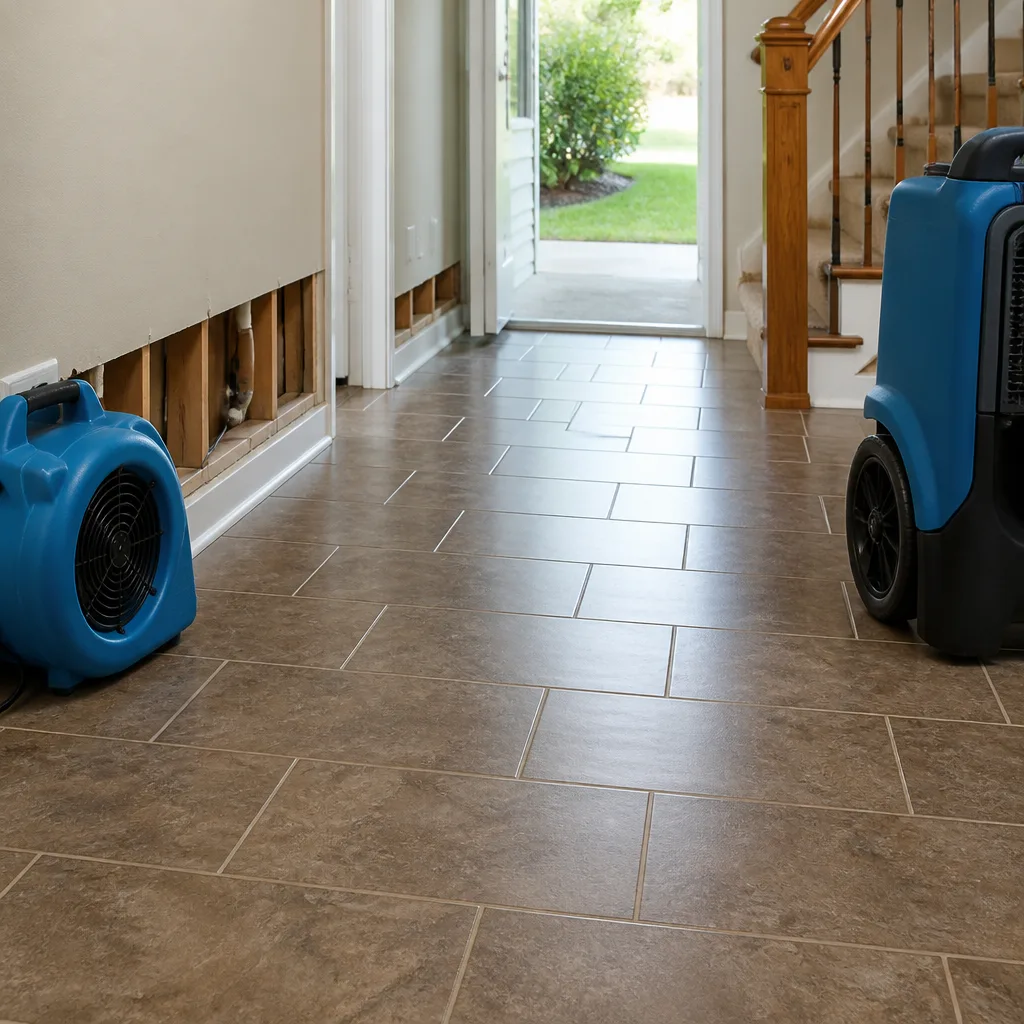
 Water damage drying
 Mold remediation
 Storm response
 Sewage cleanup
 Reconstruction
Free visual inspection and a written scope of work before any mitigation begins - photos, moisture readings, and drying logs go in your claim file
The scope we write is the scope we bill. Anything new gets shown to you, in writing, before we touch it.
Get your free estimateRestoration work we handle
See the difference
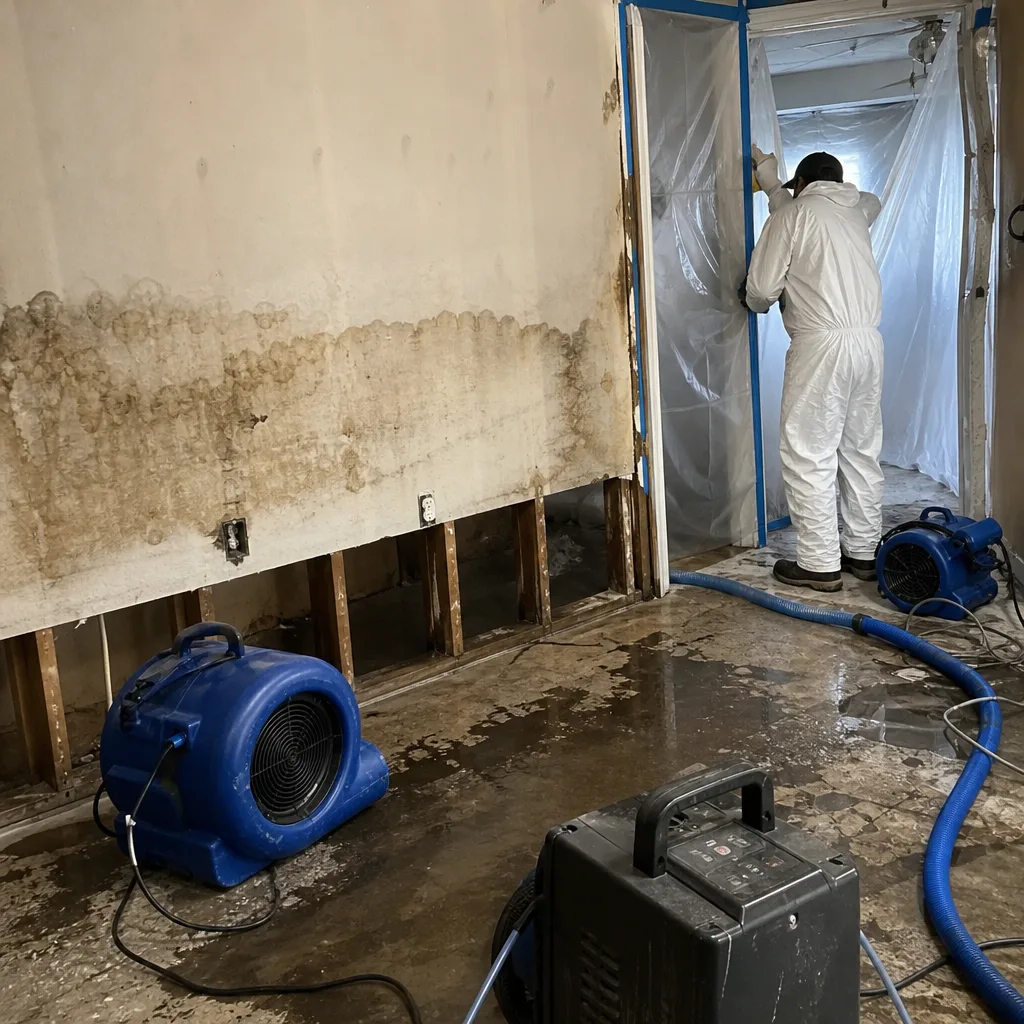 Before
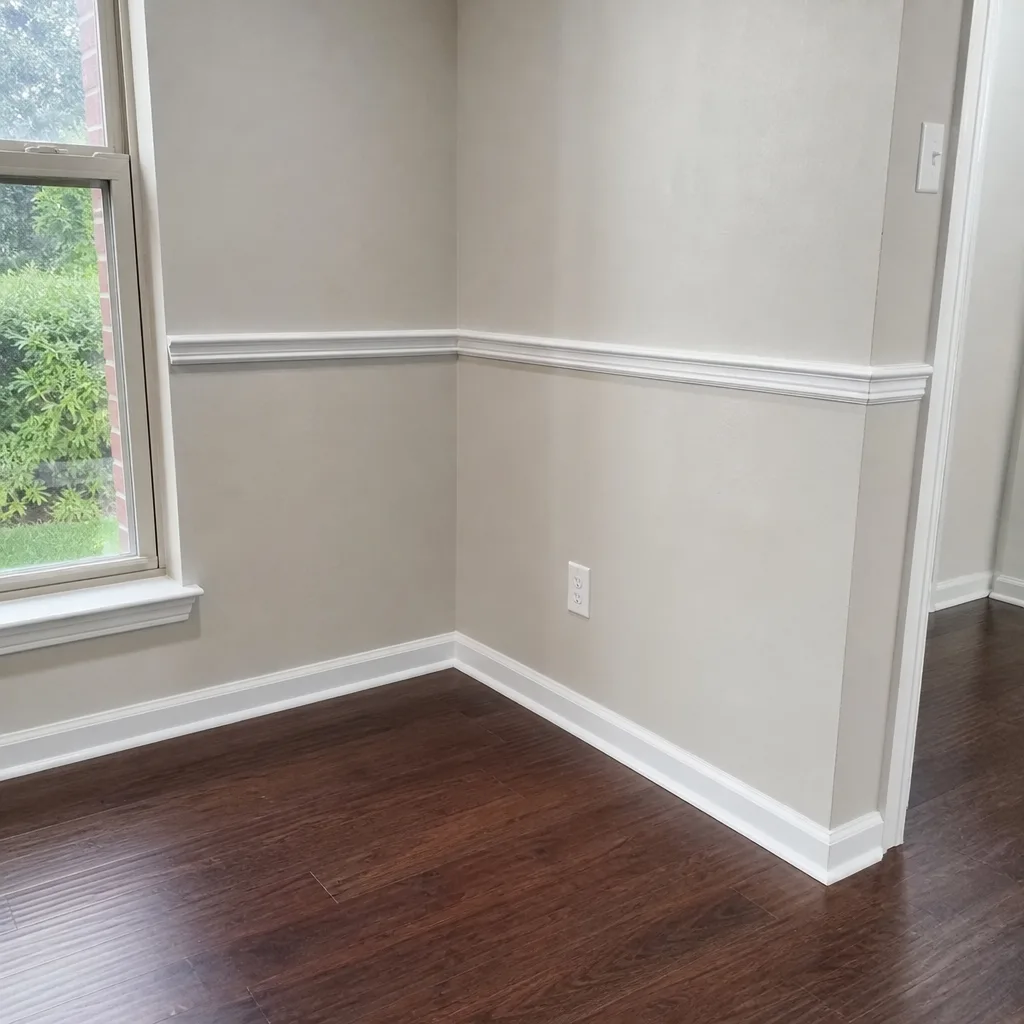 After
After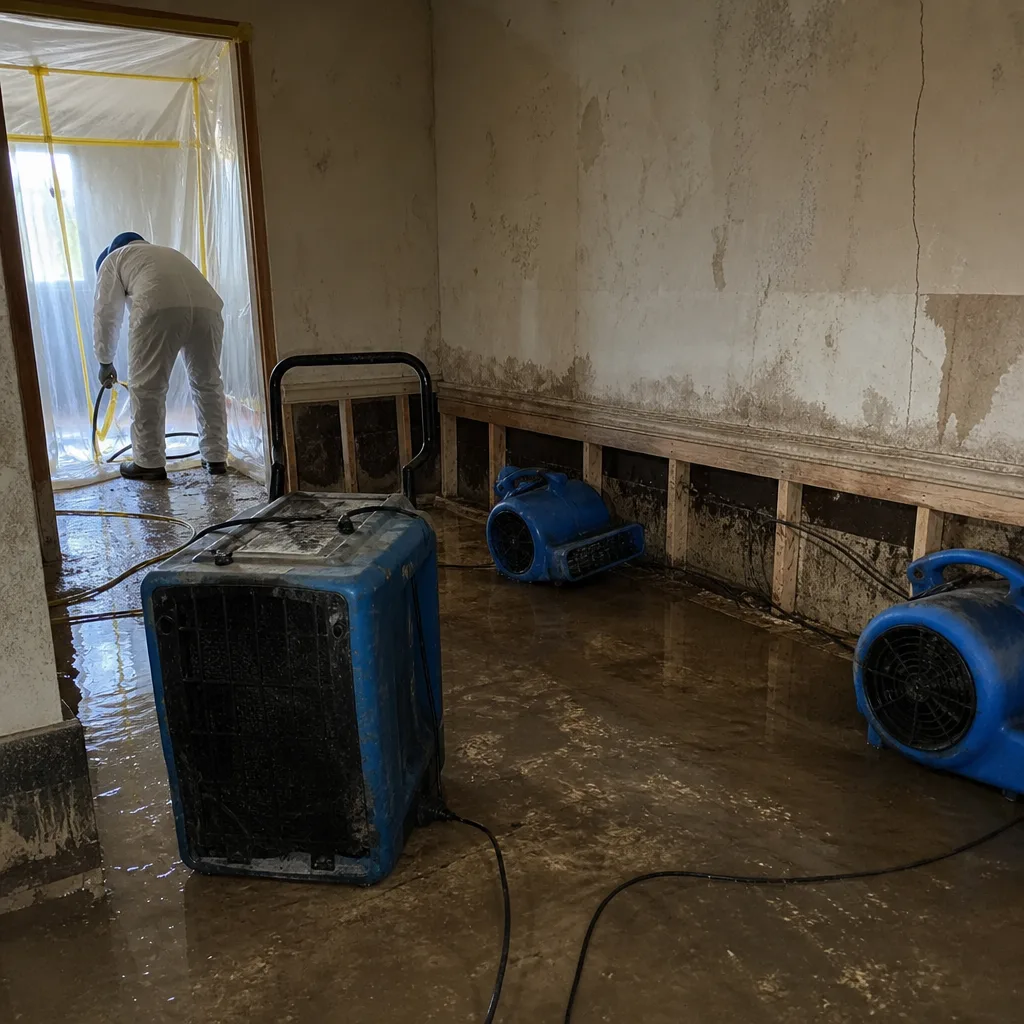 Before
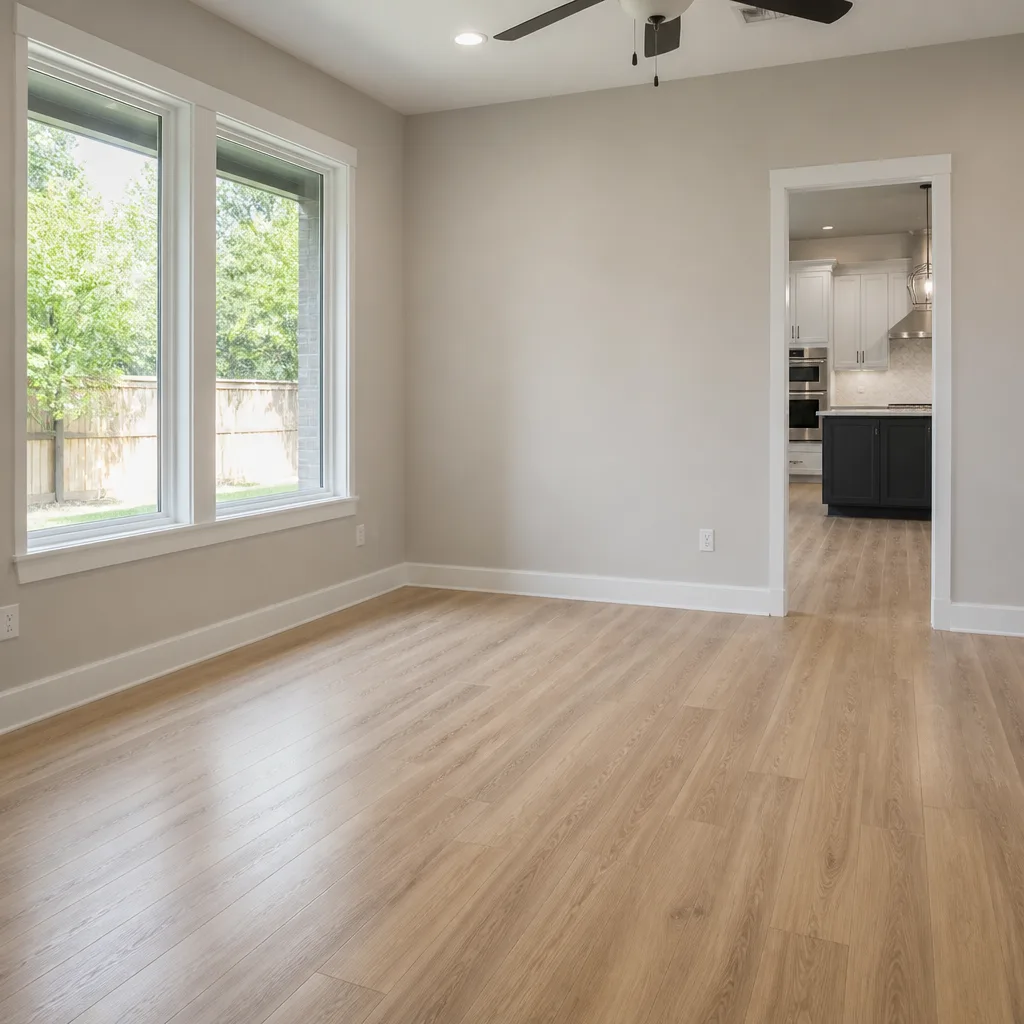 After
After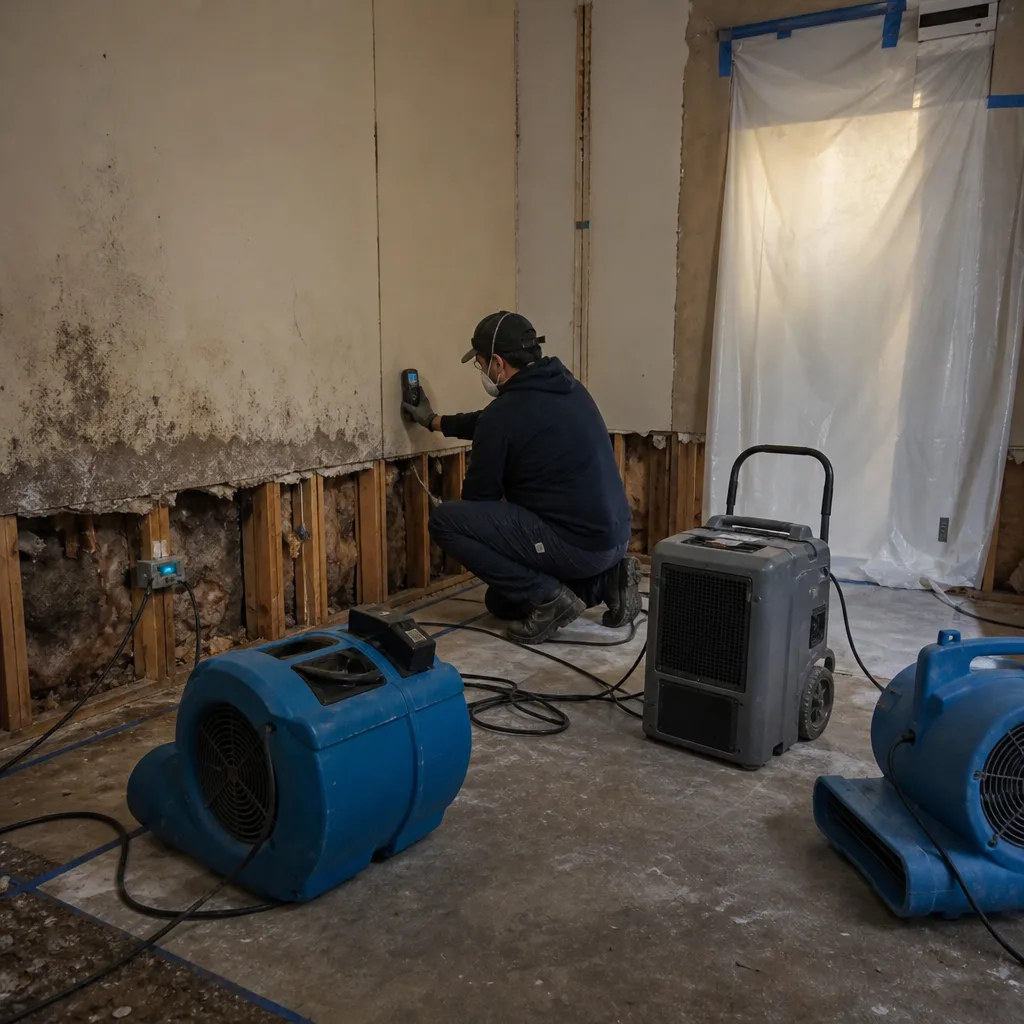 Before
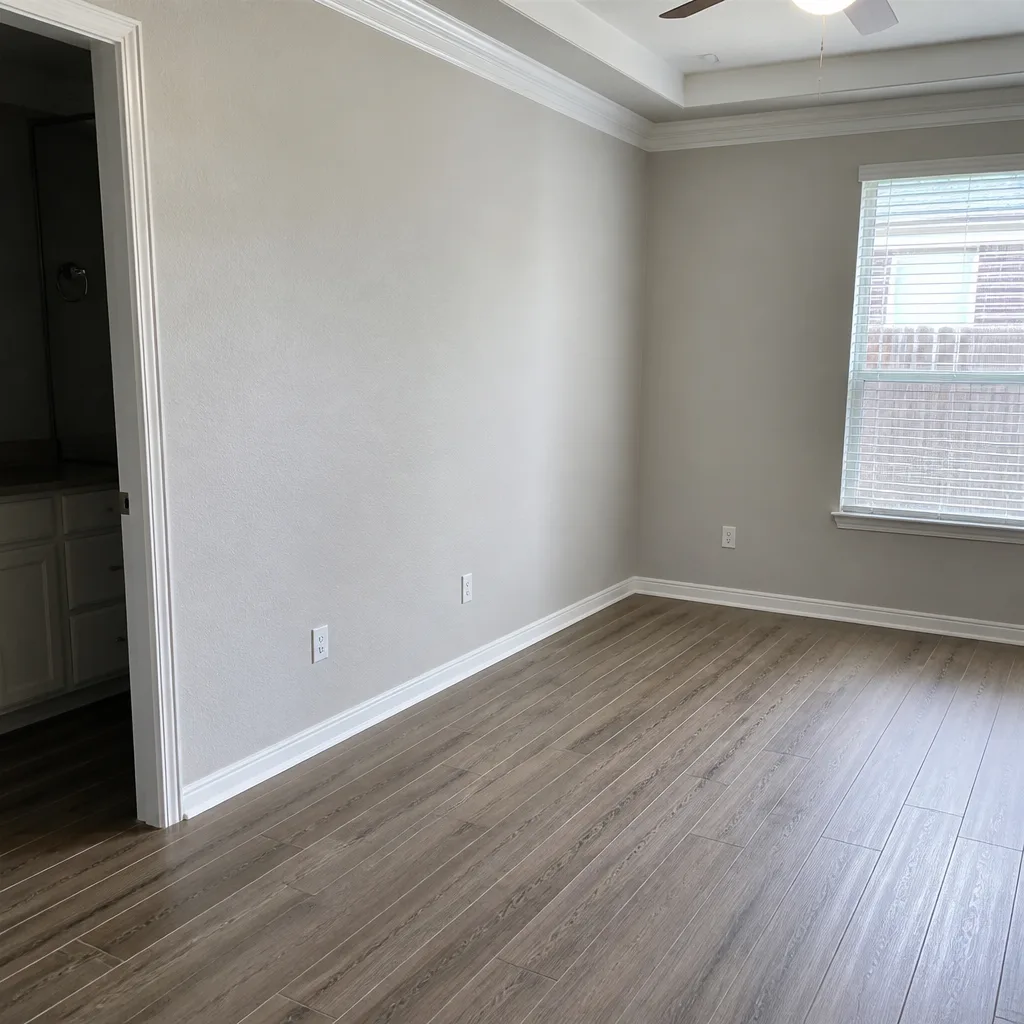 After
AfterHow Much Does Reconstruction & Cleanup Cost in Dallas?
Reconstruction and cleanup in Dallas, TX typically runs between $3,500 and $25,000 for most residential jobs in 2026, with water-damage reconstruction averaging $7,800 and full fire rebuilds reaching $40,000 or more. The price depends on the square footage affected, what materials need replacing, and whether demolition, drying, and permits are already handled. A straightforward drywall-and-paint repair after a small leak will land near the low end; a full kitchen or structural rebuild after a fire will push well past the midpoint of that range.
Keegan Restoration Dallas puts every estimate in writing before work begins. No moving numbers at the door, no surprise line items after demo starts. Call (254) 857-5210 for a free, no-obligation estimate on your specific job.
Key Takeaways:
- Most Dallas reconstruction jobs fall between $3,500 and $25,000 in 2026.
- Water damage rebuilds average $7,800; fire damage rebuilds run higher due to structural and smoke-seal work.
- Cleanup-only jobs (debris removal, content pack-out, drying) typically cost $1,200 to $4,500.
- Permit requirements in Dallas add $200 to $1,500 depending on the scope.
- Keegan Restoration Dallas provides written pricing before any work starts, on every job.
Reconstruction & Cleanup Cost Breakdown (2026)
Here’s what Dallas homeowners can expect to pay for common reconstruction and cleanup line items in 2026. These ranges reflect actual market pricing across Dallas County, including neighborhoods like Lake Highlands, Oak Cliff, Preston Hollow, and Mesquite. Prices assume licensed, insured contractors using professional-grade equipment, not day-labor or handyman rates.
| Service | Typical Dallas Price Range | What It Includes |
|---|---|---|
| Water damage cleanup only | $1,200 – $4,500 | Water extraction, drying, dehumidification, disposal of unsalvageable materials |
| Water damage reconstruction | $3,500 – $15,000 | Drywall replacement, insulation, paint, trim, flooring repair after water loss |
| Fire damage cleanup | $4,000 – $12,000 | Soot removal, odor treatment, content cleaning, debris haul-off |
| Fire damage reconstruction | $8,000 – $40,000+ | Structural framing repair, drywall, electrical, HVAC cleaning, full rebuild of affected rooms |
| Mold remediation and rebuild | $2,500 – $12,000 | Containment, removal, antimicrobial treatment, replacement of damaged drywall and flooring |
| Kitchen rebuild (full) | $15,000 – $35,000 | Demo, drywall, cabinets, countertops, flooring, plumbing and electrical reconnection |
| Bathroom rebuild (full) | $8,000 – $18,000 | Demo, waterproofing, tile, fixtures, plumbing, drywall, paint |
| Content pack-out and storage | $800 – $3,000 | Inventorying, packing, moving, and storing belongings during reconstruction |
| Structural drying (standalone) | $1,500 – $4,000 | Professional-grade drying with desiccant or low-grain refrigerant equipment |
| Odor treatment / smoke seal | $600 – $2,500 | Sealing affected surfaces, thermal fogging, ozone or hydroxyl treatment |
These numbers shift based on the specifics of your job. A 300-square-foot laundry room rebuild runs far less than a 1,200-square-foot open-concept living area. Ceiling height matters too: homes in the M Streets or Lakewood with 10-foot ceilings take more drywall, more labor, and more finish work than standard 8-foot ceilings in older East Dallas ranches.
What Drives the Price Up or Down
The single biggest cost driver is whether you need cleanup plus reconstruction or cleanup alone. A water loss that gets dried quickly might only need baseboard and drywall repair. A fire that burns through ceiling joists means structural framing, electrical rewiring, and extended permits. The second biggest driver: the condition of what’s underneath. In Dallas homes built before 1980, drywall removal often reveals asbestos texture or lead paint, which triggers environmental testing and abatement, adding $1,500 to $5,000 to the scope.
What Affects Reconstruction & Cleanup Pricing in Dallas
- Scope of the loss. A supply-line leak behind a bathroom vanity is a small, contained rebuild. A roof leak that ran through two floors in a Preston Hollow home means demolition across multiple rooms, multiple trades, and multiple permit inspections.
- Material and finish choices. Replacing builder-grade carpet and laminate costs less than matching hardwood floors in an Oak Cliff bungalow or stone counters in a North Dallas kitchen. If you want finishes matched to the pre-loss condition, that’s the standard in insurance claims; if you want upgrades, the difference is out of pocket.
- Permit requirements. The City of Dallas requires building permits for structural repairs, electrical, plumbing, and mechanical work. Permit fees typically run $200 to $1,500 depending on the valuation of the work. Unpermitted work can complicate resale later, which is why Reconstruction & Cleanup in Dallas jobs at Keegan are always permitted when the scope requires it.
- Water category and contamination level. Clean water from a supply line is simpler and cheaper to remediate. Category 3 water (sewage backups, floodwater from White Rock Creek overflow) requires antimicrobial treatment, special disposal, and often duct cleaning. That adds $1,000 to $3,000 to the cleanup phase before reconstruction even starts.
- Age and construction type of the home. Post-and-beam construction in mid-century homes in Lake Highlands responds differently to fire and water than modern platform framing in Frisco or Plano. Older plaster walls take longer to demo and finish than drywall. Foundation type matters too: pier-and-beam homes allow easier access for drying but can hide water in the crawlspace, extending dry-down time.
- Insurance involvement. If you’re filing a claim, the adjuster’s scope of loss determines what’s covered. Documentation quality affects the payout. That’s why Keegan documents every job with photos, moisture readings, and line-item scope notes formatted to support your claim. A well-documented job gets paid; a vague one gets scrutinized.
How to Save on Reconstruction & Cleanup
You cannot safely skip steps to save money on reconstruction. But you can avoid the costs that come from delay, poor documentation, and hired-workmanship problems.
- Stop the source immediately. Shut off the water, the power, or whatever is feeding the problem. A small leak treated fast is a $500 drying job; a small leak ignored for two weeks in Dallas summer humidity is a $12,000 mold and rebuild job. Heat and humidity accelerate everything.
- Get the estimate in writing before work starts. Keegan Restoration Dallas gives you a written price on every job before we touch anything. If a contractor will not put a price in writing, walk. The Garrison Standard exists for a reason: written pricing, background-checked uniformed technicians, and documentation to support your claim.
- Use your insurance, but document first. Take photos of everything before demo begins. The more complete your record of the loss, the smoother the claim. Keegan documents every job to IICRC standards and formats the paperwork for claim support. That documentation often means the difference between partial and full reimbursement.
- Avoid “upgrade creep.” The cheapest path is replacing like with like. If the insurance company is paying to replace builder-grade carpet, choosing hardwood means you pay the difference. That’s a legitimate choice, but it’s not a savings move.
- Do not skip the drying phase. Some contractors will quote a lower number by skipping structural drying and sealing wet framing behind new drywall. Six months later, the mold starts. Keegan uses Dri-Eaz, Phoenix, XPOWER, B-Air, and Injectidry equipment to dry to a standard, not a timeline. Any moisture left behind is a future repair bill.
- Call for a free estimate. You’ll get a real number for your exact job before you commit to anything. Call (254) 857-5210. The estimate is free, and the price does not move at the door.
How the Reconstruction Process Works
Here is the order of operations for a typical reconstruction job in Dallas. Understanding the sequence helps you understand the price, because every step is a line item in the written estimate you’ll receive before work starts.
Step 1: Emergency Response and Assessment
The first 24 to 48 hours determine how much the job costs. Keegan answers the phone with a live person, 24/7, so water extraction starts immediately, not tomorrow morning. We assess the scope, document the loss, and give you a written estimate before any work begins. This is the Garrison Code in practice: show up inside the window, price in writing, do it by the book.
Step 2: Water Extraction and Drying
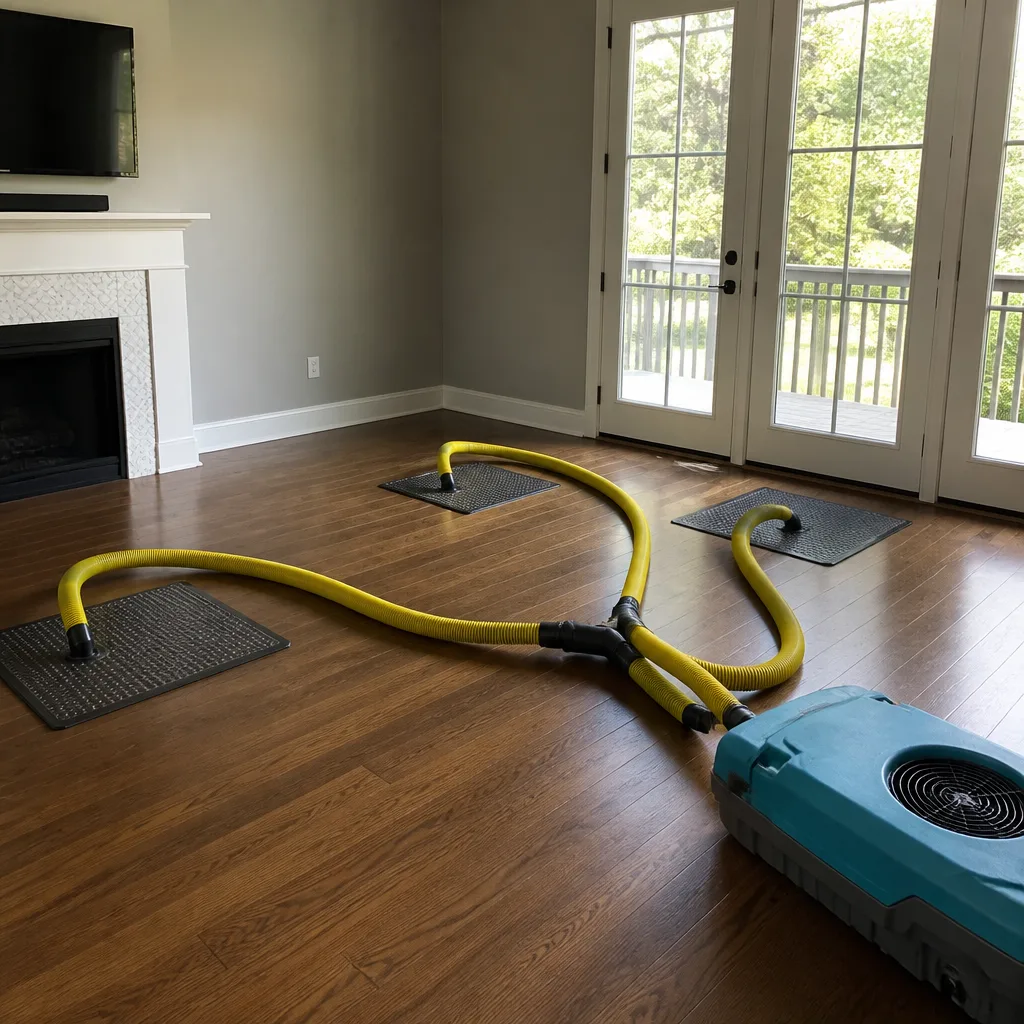
If water is involved, extraction happens first. We use professional-grade equipment from Dri-Eaz, Phoenix, XPOWER, B-Air, and Injectidry, operated to IICRC standards. Psychrometric readings tell us when the structure is dry, not just the surface. Rushing this step saves a day and costs a year. A full-year guarantee means we do not skip it.
Step 3: Demolition and Debris Removal
Unsalvageable materials come out: wet drywall, burned framing, mold-contaminated insulation. Debris is removed from the site, not piled in the front yard for a week. Keegan leaves the site clean at the end of every day. That’s part of the standard, not an add-on.
Step 4: Structural Repair and Rough-In
If the loss affected framing, joists, or subfloor, those get repaired or replaced first. The rough mechanicals run through inspections: plumbing, electrical, HVAC. The City of Dallas inspects this work, and Keegan schedules those inspections as part of the job.
Step 5: Finish Work
Drywall, texture, paint, trim, doors, flooring, and any cabinet or counter installation. Matching existing finishes matters in Dallas neighborhoods where homes have character: casings in Lakewood, original hardwood in Oak Cliff, custom built-ins in Preston Hollow. If it can be matched, we match it.
Step 6: Final Cleaning and Walk-Through
The site is cleaned, the equipment comes out, and we walk the job with you before we leave. You see the work, you see the documentation, and you get the written 365-Day Done Right Promise in hand. If anything fails within one year, Keegan returns and makes it right at no charge. That’s the guarantee, in writing, every time.
What You’re Paying For: The Actual Work Breakdown
Reconstruction pricing in Dallas does not come from a generic per-square-foot number. It comes from the real tasks below. Here’s what each one costs in the metro market and what it actually means.
Demolition and Debris Removal: $500 – $2,500
Removing water-damaged drywall, burned studs, or moldy insulation takes labor and haul-off fees. In Dallas County, dump fees and transportation add 15 to 25 percent over raw labor costs. A full gut in a kitchen or bathroom sits at the high end; a few sheets of drywall near a leak sit at the low end. Keegan removes debris from the property and cleans the work area at the end of every shift, not just at the end of the job.
Drywall and Insulation: $1,800 – $7,000
Drywall replacement runs $3 to $5 per square foot installed and finished in Dallas, including tape, float, and texture. Insulation replacement adds $1 to $2 per square foot. Older Dallas homes with plaster walls will be higher because plaster demolition and patching take specialized skill, and many contractors will not touch it. Blown-in insulation in attics and sidewalls needs careful removal and reinstallation after water contact, which adds labor. If the water touched it, the insulation has to go. It does not dry back to its original R-value.
Flooring: $1,200 – $9,500
Laminate and carpet come out economically; hardwood, tile, and stone cost more to demo and more to replace. The big variable in Dallas is moisture. Slab-on-grade construction means water travels under flooring and wicks up through concrete. If the moisture reading under the slab is high, the flooring cannot be reinstalled until the slab is dried to standard. That’s not a delay tactic; that’s how you avoid cupped hardwood and grout cracks six months later.
Painting: $600 – $4,000
After any reconstruction, the entire affected room gets repainted, not just the patched area. Color matching on accent walls in older East Dallas homes or custom neutrals in North Dallas takes additional matching time. Texas sun fades paint fast, so whole-wall repaints matter; a patch that doesn’t match looks wrong from any angle.
Permits and Inspections: $200 – $1,500
The City of Dallas building permit fee schedule is based on the job’s valuation. A simple drywall patch doesn’t need a permit. Structural repairs, electrical, plumbing, and HVAC work do. Keegan pulls permits when the scope requires them, schedules the inspections, and keeps the inspection documentation with your file. Unpermitted work can get flagged during a future sale, and that becomes your problem, not the contractor’s.
Content Handling: $500 – $3,000
Moving, cleaning, and storing your belongings during reconstruction adds cost but protects your assets. The alternative is working around furniture, which slows the job and risks damage. For a kitchen rebuild, the pack-out of cabinets and pantries alone can take a day. We inventory everything, move it, store it, and bring it back when the job is done.
HVAC and Duct Cleaning: $400 – $2,000
After fire, soot and smoke particles sit in your ductwork. After water, mold spores and bacteria can circulate through the home. Duct cleaning is mechanical and thorough, not a quick brush-out. If the HVAC system itself was damaged by fire or flood, replacement or repair of the unit adds $3,000 to $8,000 depending on system size and SEER rating.
What Does Insurance Cover for Reconstruction & Cleanup?
In Dallas, a standard homeowner’s policy covers sudden and accidental water damage, fire, and wind damage. It does not cover long-term leaks, flood water from rising creeks or drainage overflow, or mold that grew from a leak you ignored. Flood insurance is a separate FEMA-backed policy. If your home flooded from a storm, your standard policy will not pay for the rebuild; FEMA’s National Flood Insurance Program coverage kicks in instead, if you carry it.
The insurance company will send an adjuster who writes a scope of loss. That scope is the ceiling for what gets paid. The difference between a smooth claim and a denied line item often comes down to documentation. Keegan documents every job: moisture readings, thermal-camera images, photo logs, material samples, and line-item notes that map to the adjuster’s scope. The paperwork is formatted to support your claim, not to fight it. That’s why the home page and every service page at Keegan leads with documentation. It matters as much as the actual reconstruction.
Dallas-Specific Considerations
Dallas has three factors that affect reconstruction and cleanup pricing in ways you do not see in other markets: heat, hail, and age of housing stock.
Heat and humidity. Dallas summer temperatures routinely stay above 100 degrees for weeks. That heat accelerates mold growth inside wet walls. What would take three days to colonize in a northern climate takes 24 hours in a Dallas attic in July. This is why same-day response matters here. Keegan answers the phone 24/7 because water does not wait, and it definitely does not wait in August.
Hail and storm damage. North Texas storms bring hail, wind, and rain in quantity. Roof leaks after hail are the most common cause of ceiling damage in the northern suburbs. By the time the water shows on your ceiling, it’s been running through the attic insulation. The ceiling patch is cheap; the contaminated insulation replacement is not. That’s the real cost of a Dallas hailstorm.
Foundation and slab construction. Most Dallas homes sit on post-tension slabs or pier-and-beam. Water travels differently in each. Slab homes trap moisture under flooring and wick it upward; pier-and-beam homes hide water in the crawlspace, where it damages joists and subfloor until the floor starts to sag. Neither is a bigger problem, but each requires a different drying approach. Keegan runs psychrometric calculations for the specific structure, not a generic “three days and done” schedule.
Older housing stock. Lakewood, the M Streets, and Oak Cliff hold some of the oldest homes in Dallas. Pre-1980 construction brings asbestos texture, lead paint, and knob-and-tube wiring into the equation. These are not catastrophic, but they add testing, abatement, and special handling to any reconstruction job. A contractor who ignores them is not saving you money; they’re pushing risk into the future.
Why Keegan Restoration Dallas Prices Differ
You’ll find lower bids than Keegan’s on any reconstruction job in Dallas. You’ll find higher ones too. Here’s what our pricing actually pays for, and what it refuses to pay for.
We do not move the price. The written estimate you get before work starts is the price you pay. It does not change when the crew arrives, when demo reveals a surprise, or when the job runs a day long. If a change order is required because the scope genuinely increased, we bring you the change in writing and you approve it before we proceed. No door-step renegotiation. That’s The Garrison Standard, from the Garrison Partners family we’ve been part of since 2005.
We do not send whoever answers the phone. Every Keegan crew is background-checked and arrives in uniform. You know who is walking into your home. That costs slightly more than a sub-contracted labor pool, and it’s worth it.
We do not skip the drying. The fastest way to cut cost on a water job is to put drywall over wet framing and leave. We won’t do that. Our 365-Day Done Right Promise means if the work fails within one year, we return and fix it at no charge. That promise costs real money to honor, so we build the price to do the job right the first time.
We document everything. Every job at Keegan includes photo documentation, moisture readings, equipment logs, and scope notes formatted for your insurance claim. This documentation takes technician time that cheaper contractors skip. It’s the difference between a claim you fight for months and a claim that gets paid.
Equipment matters. We run Dri-Eaz, Phoenix, XPOWER, B-Air, and Injectidry equipment, operated in compliance with IICRC, RIA, and IFA standards. That’s the professional-grade tier that gets structures dry to a verifiable standard. Box fans and hardware-store dehumidifiers don’t hit the same numbers. You’re paying for the result, not the tool brand, but the tool brand is how the result gets delivered.
Shane Pruitt runs Keegan Restoration Dallas with the same standard applied to every job, whether it’s a small drywall repair after a bathroom leak or a full fire rebuild. The price is in writing before work starts, on every job, no exceptions.
FAQs – Reconstruction & Cleanup Cost
How much does reconstruction and cleanup cost in Dallas?
Most residential reconstruction and cleanup jobs in Dallas cost between $3,500 and $25,000 in 2026, with the average water-damage rebuild landing near $7,800 and fire rebuilds running $8,000 to $40,000 or more. Cleanup-only work starts around $1,200. Call (254) 857-5210 for a free written estimate on your exact scope.
Is reconstruction covered by insurance in Texas?
Yes, for sudden and accidental damage from water, fire, or wind, standard Texas homeowner’s insurance covers reconstruction and cleanup costs, minus your deductible. It does not cover flood damage unless you carry a separate NFIP policy, and it does not cover mold from a long-term leak you didn’t address. Keegan documents every job to support your claim so the check matches the scope.
How long does reconstruction take in Dallas?
A small water-damage rebuild takes 1 to 2 weeks from start to finish. A full kitchen rebuild runs 4 to 8 weeks depending on permit inspections and material lead times. Fire rebuilds involving structural repair can take 3 months or more. The fastest way to shorten the timeline is to start drying immediately, which is why Keegan answers the phone live, 24 hours a day.
Can Keegan start cleanup same-day in Dallas?
Yes. Keegan Restoration Dallas answers calls with a live person 24/7 and can dispatch a crew same-day for active water or fire damage. Same-day response is the single best cost-control move you can make, because it stops water from spreading and prevents mold from taking hold. Call (254) 857-5210 the moment you see the damage.
What is the cheapest reconstruction option in Dallas?
Cleanup-only work is the cheapest option, starting near $1,200 for a contained water loss with no structural damage. The next cheapest is drying and patching rather than full-room rebuild, which runs $3,500 to $6,000 for a typical bathroom or laundry room. But cheap gets expensive fast if wet framing isn’t dried to standard. Keegan’s 365-Day Done Right Promise means we won’t cut that corner.
Do you charge for estimates in Dallas?
No. Keegan Restoration Dallas gives free written estimates on every reconstruction and cleanup job. The price you receive is the price you pay, and it’s backed by the 365-Day Done Right Promise: if the work fails within one year, we return and fix it at no charge. Call (254) 857-5210 to get your number.
Get Your Written Estimate
If you’re looking at water damage, fire damage, or a cleanup that’s turning into a rebuild, get a real number before you make any decisions. Keegan Restoration Dallas puts the price in writing before work starts, sends background-checked uniformed technicians, and backs every job with a written one-year guarantee. A live person answers the phone 24/7, including nights, weekends, and holidays. Call (254) 857-5210 now for your free estimate.
Pricing reflects the Dallas market as of 2026. Keegan Restoration Dallas offers free estimates – call (254) 857-5210.
Written by Shane Pruitt, Owner at Keegan Restoration Dallas, serving Dallas since 2005.
What Our Customers Say
"Fire damage in the kitchen from a stove flare-up. They cleaned the soot, removed the burnt cabinets, and deodorized the house."
- Lorraine D."Overall great. One technician no-showed on day two but the lead covered it and they finished on schedule."
- Wes K."Water heater burst in the garage and flooded the hall. Crew was there fast, in uniform, set up dehumidifiers and air movers, and ran drying logs every day. Veteran-owned and organized."
- Gail S.