
 Fire & smoke cleanup
 Water damage drying
 Mold remediation
 Storm response
 Sewage cleanup
 Reconstruction
Free visual inspection and a written scope of work before any mitigation begins - photos, moisture readings, and drying logs go in your claim file
The scope we write is the scope we bill. Anything new gets shown to you, in writing, before we touch it.
Get your free estimateRestoration work we handle
See the difference
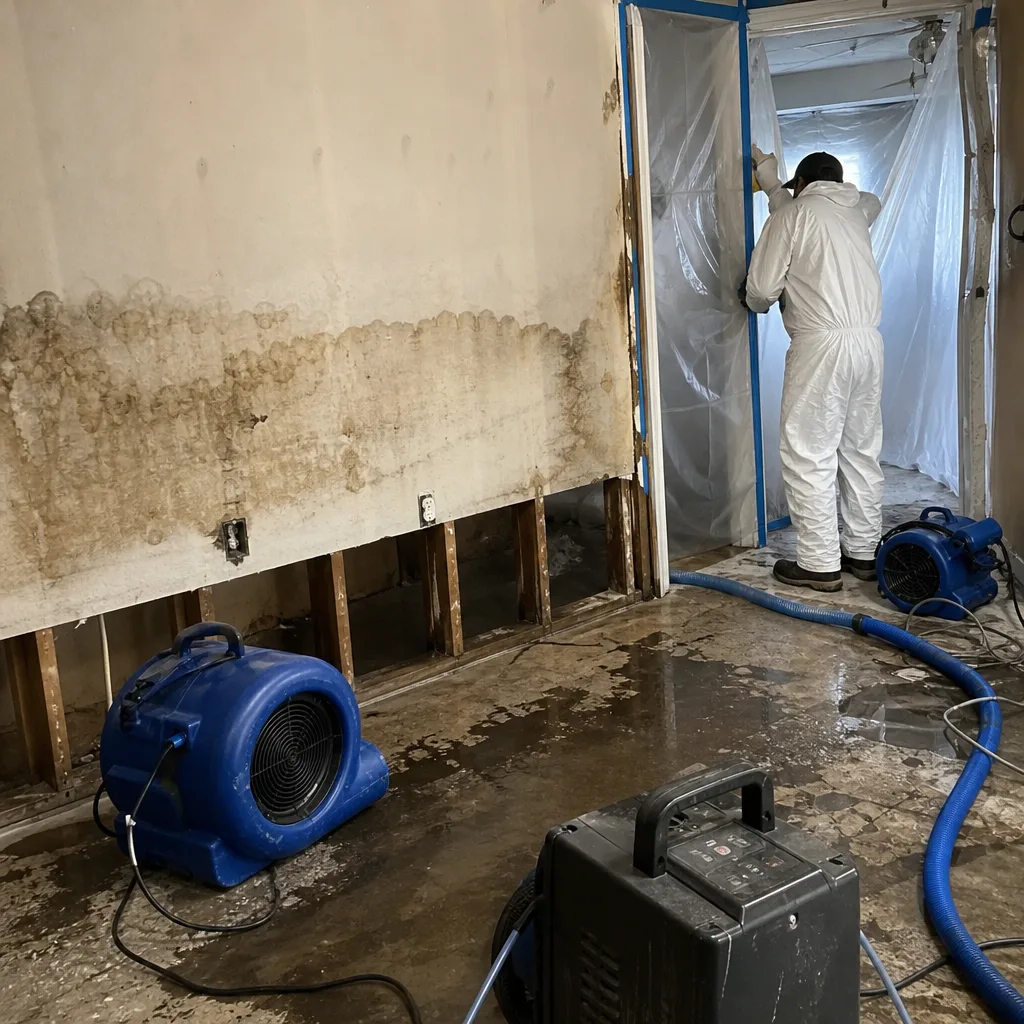 Before
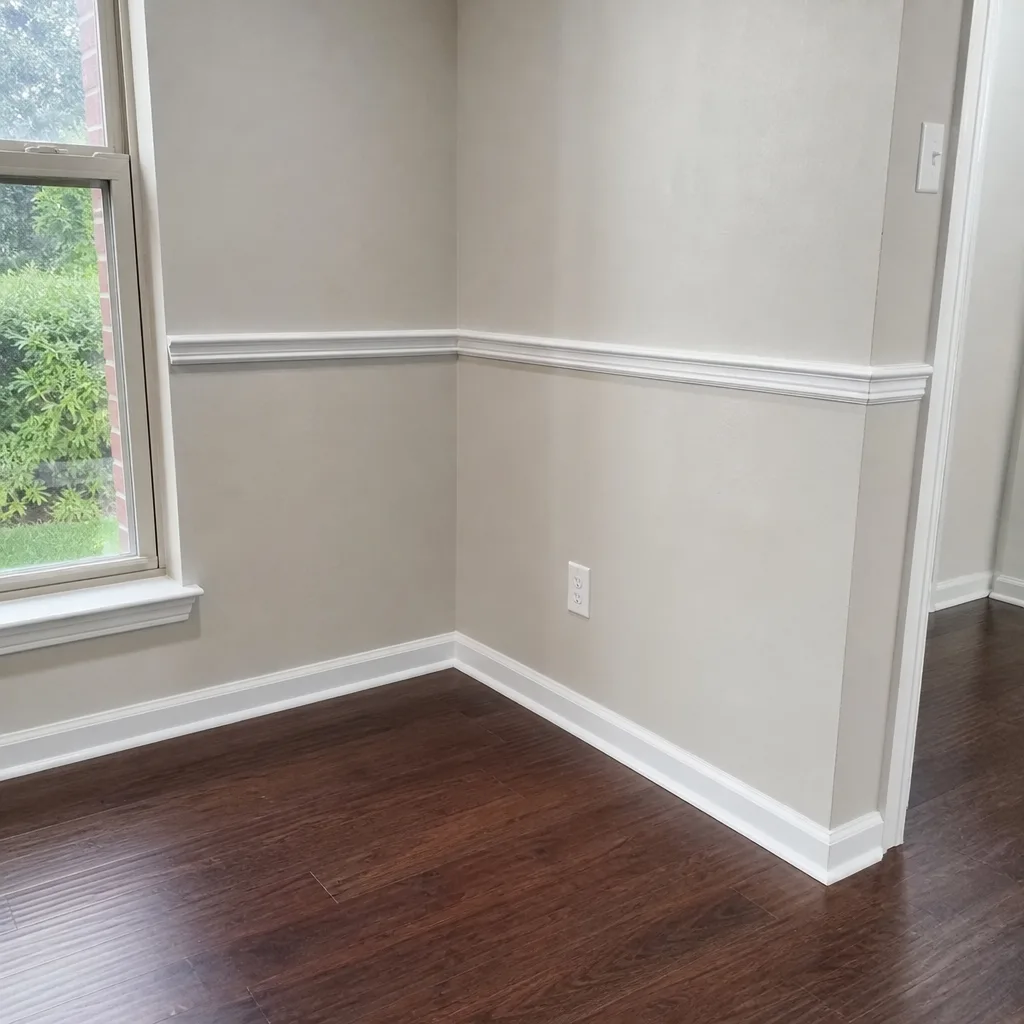 After
After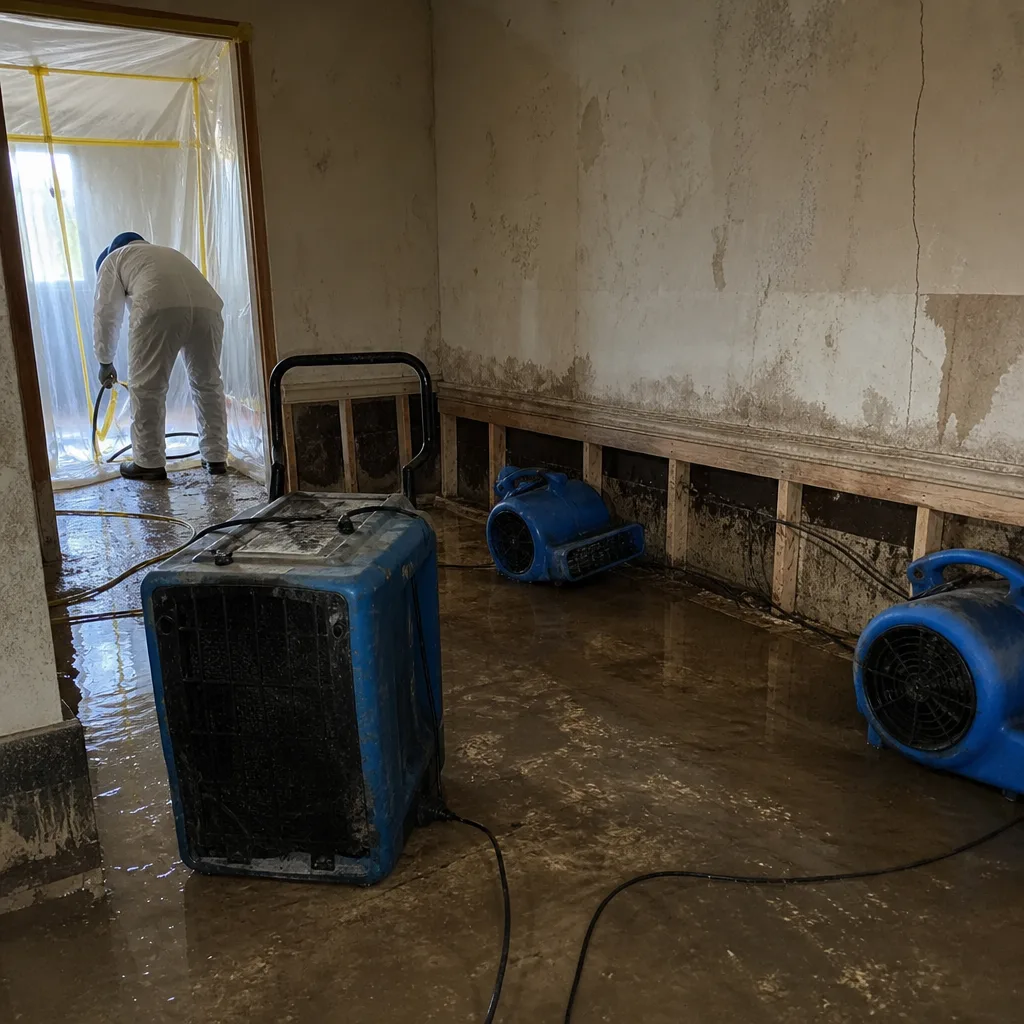 Before
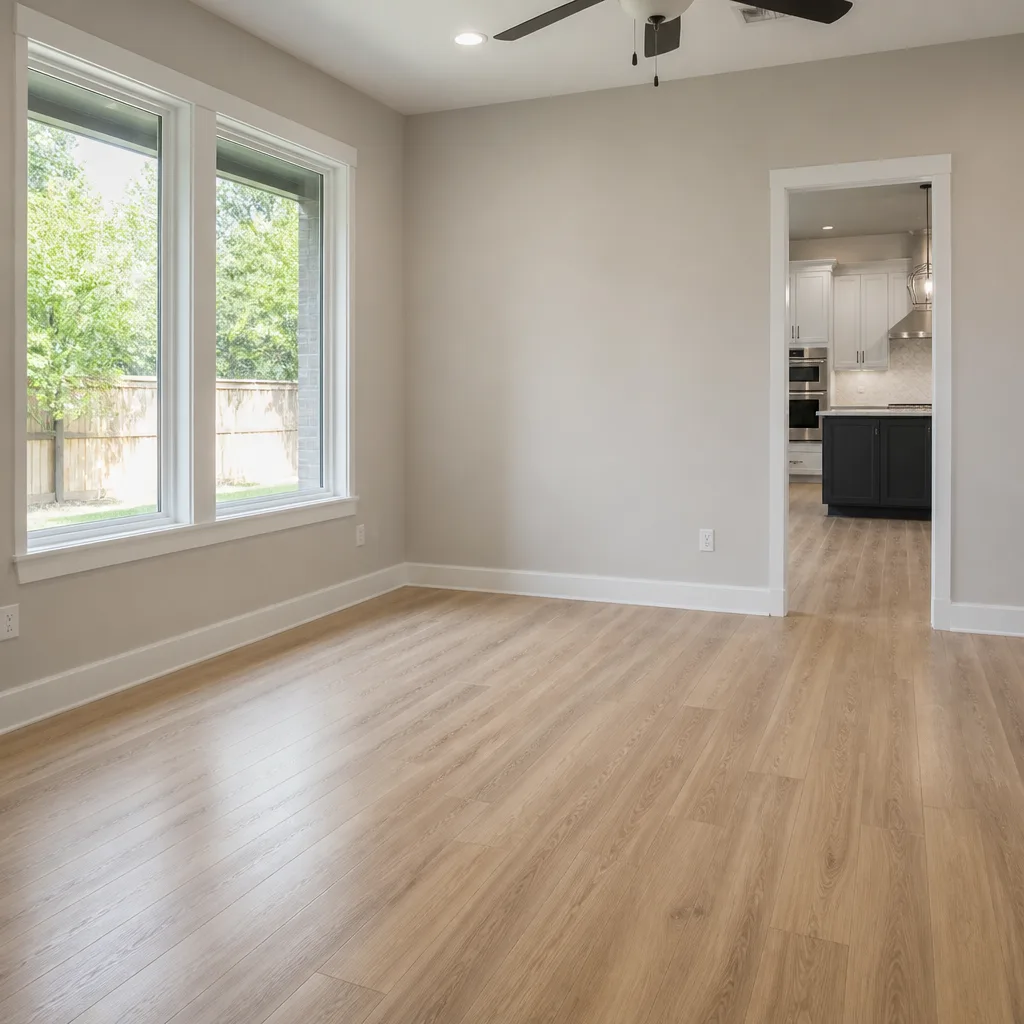 After
After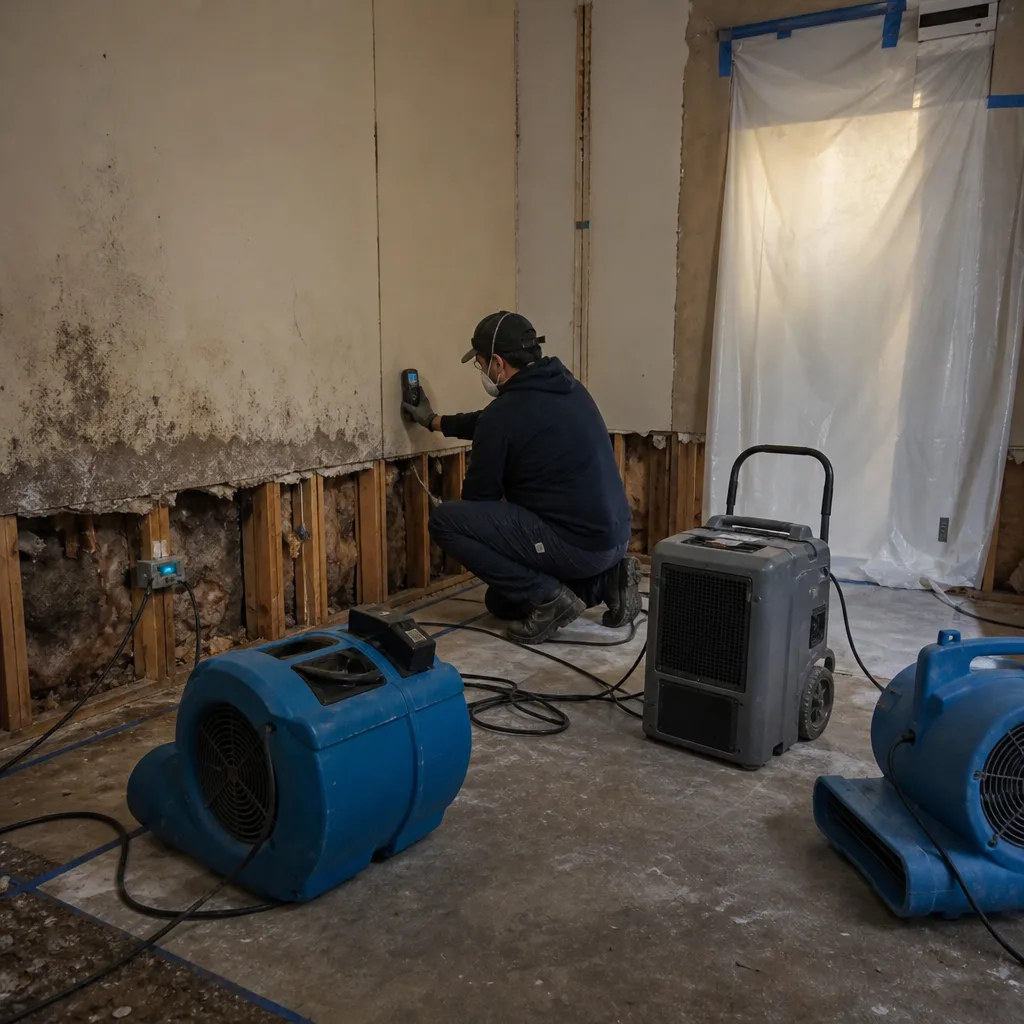 Before
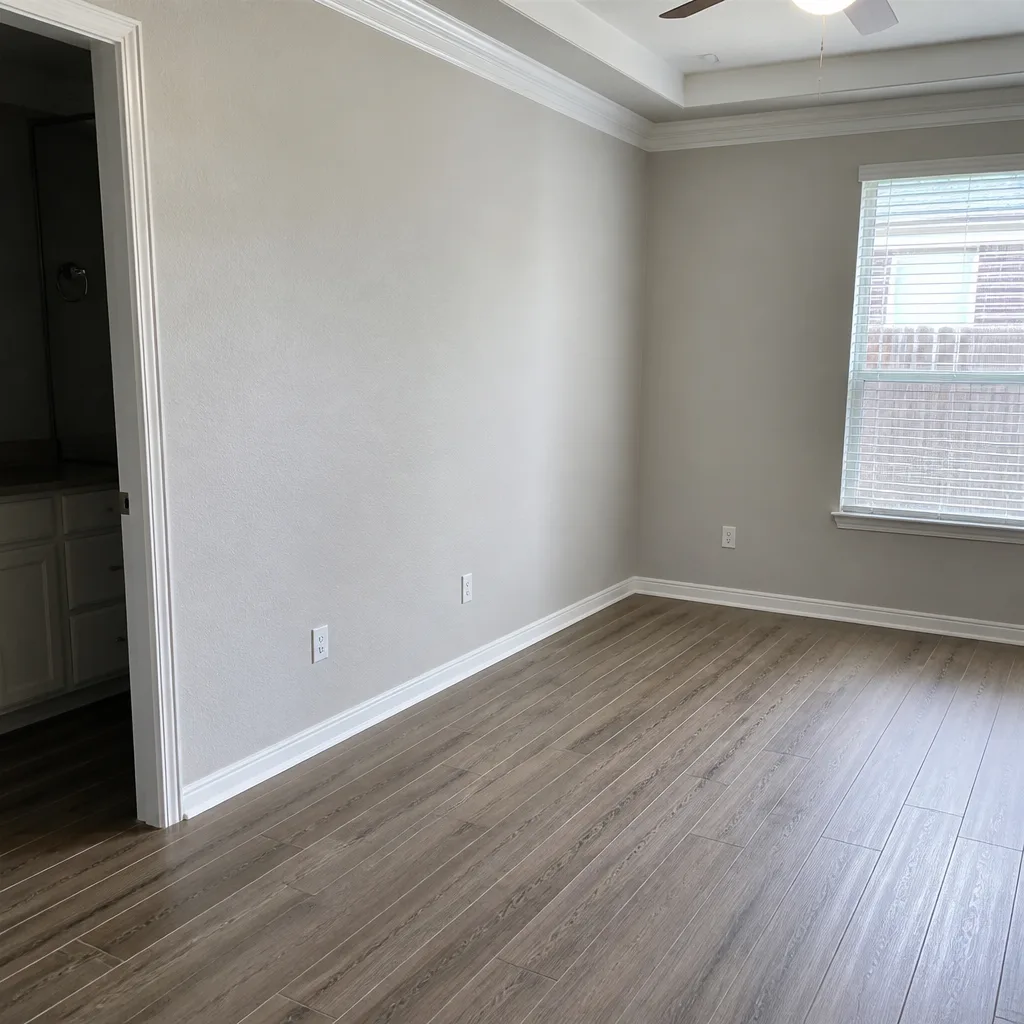 After
AfterHow Much Does Fire & Smoke Damage Restoration Cost in Dallas?
Fire and smoke damage restoration in Dallas typically costs between $3,200 and $12,500 for a standard single-family home, with most homeowners paying around $6,800. Small contained kitchen or electrical fires often fall between $1,800 and $4,500, while whole-home fires with structural damage, water damage from firefighting, and heavy soot removal can run $15,000 to $50,000 or more. The final number depends on square footage, how far smoke traveled, whether water from the fire department soaked into drywall and flooring, and how quickly restoration begins.
Those are real Dallas-market numbers, not national averages. We’ve worked homes from Lake Highlands to Oak Cliff to North Dallas, and the pricing reality here tracks with our older housing stock: pier-and-beam foundations, 1960s and 1970s frame construction, and HVAC ductwork that carries smoke residue into every room whether the fire reached it or not. If you’re standing in a house that smells like smoke three days after a fire, call (254) 857-5210 for a written estimate. We price the job before any work starts, and that price does not move at the door.
Key Takeaways:
- Typical Dallas fire restoration job: $3,200 to $12,500
- Small contained fires (kitchen, electrical panel, garage): $1,800 to $4,500
- Severe whole-home fire with water damage: $15,000 to $50,000+
- Smoke odor removal alone (no structural damage): $800 to $3,000
- Most Dallas homeowner policies cover fire restoration minus your deductible
- Keegan Restoration Dallas provides a written price before any work begins
Fire & Smoke Damage Restoration Cost Breakdown (2026)
Here is the line-item breakdown we use when we walk a Dallas fire job and build a scope of loss. These are the numbers we’re writing on estimates in 2026 for this market.
| Line Item | Cost Range (Dallas, 2026) | What It Covers |
|---|---|---|
| Emergency board-up & tarping | $450 – $1,200 | Securing broken windows, doors, and roof openings the same day |
| Water extraction & structural drying | $1,200 – $4,800 | Removing firefighter water, running Dri-Eaz and Phoenix air movers and dehumidifiers |
| Soot & smoke residue cleaning | $1,500 – $6,000 | Surface cleaning of walls, ceilings, fixtures, and hard contents |
| Smoke odor removal (thermal fogging, ozone, hydroxyl) | $800 – $3,000 | Treating the air and porous surfaces to eliminate smoke smell |
| Duct & HVAC cleaning | $400 – $1,200 | Clearing smoke particles from the system so they don’t keep recirculating |
| Content cleaning & pack-out | $1,000 – $6,000 | Cleaning, deodorizing, and storing furniture, clothing, and personal items |
| Drywall removal & replacement | $900 – $4,500 | Cutting out charred or water-damaged drywall and rehanging |
| Paint & finish work | $600 – $3,500 | Sealing and repainting smoke-damaged surfaces with odor-blocking primer |
| Structural repairs (framing, subfloor, roofing) | $1,500 – $15,000+ | Repairing actual fire-damaged framing or structural components |
| Content cleaning & pack-out | $1,000 – $6,000 | Cleaning, deodorizing, and storing furniture, clothing, and personal items |
What pushes a Dallas job toward the top of those ranges? Three things, mostly. First, how long the smoke sat before anyone started cleaning it. Soot becomes acidic within hours, and by day three it’s etching glass, corroding metal fixtures, and bonding to painted drywall in a way that scrubbing will not fix. Second, water from the fire department. A Dallas engine company can drop 300 to 500 gallons on a kitchen fire, and most of it ends up under cabinets, inside wall cavities, and wicking up through the slab or subfloor. That water damage gets billed as part of the fire job because it’s part of the same scope. Third, whether the smoke reached the HVAC system. In Dallas, the air conditioner runs most of the year. When a fire happens, that running system pulls smoke into the ductwork and pushes it into rooms that never saw flame. Cleaning the ducts and treating the whole envelope adds cost but it’s the difference between a house that smells clean and one that still smells like smoke every time the AC kicks on.
We build every scope of loss in writing, line by line, before we put a single fan on the floor. That’s the Garrison Standard applied to every estimate: written price, no surprises, no door-moving.
What Affects Fire & Smoke Damage Restoration Pricing in Dallas
- Square footage and floor plan. A 1,200-square-foot ranch in Mesquite prices differently than a 3,400-square-foot two-story in Plano. Smoke travels up and out; two-story homes almost always have more affected space than the fire itself touched because the stairwell works like a chimney.
- Type of fire and what burned. A protein fire (meat or grease burning on the stove) leaves a thin, nearly invisible film that’s hard to clean but responds well to chemical sponges. A synthetic fire (couch, carpet, electronics) produces thick, oily black soot that’s far more labor-intensive to remove. An electrical panel fire in an older Dallas home often involves both soot and corrosive residue that can compromise wiring.
- How much water the fire department used. This is the hidden cost driver on nearly every Dallas fire job. Firefighting water saturates drywall, insulation, subfloor, and cabinet bases. If that water isn’t extracted and dried properly with professional-grade equipment, you’re six months from mold. Expect the water component to add $1,200 to $4,800, sometimes more.
- Age of the home and construction type. Dallas has miles of pier-and-beam houses built between 1940 and 1975. Those older homes have plaster walls, tongue-and-groove subfloors, and cast-iron plumbing that all react differently to fire and water than modern homes. They also often contain materials that require containment and careful handling, which adds labor but protects the rest of the house.
- Whether smoke got into the HVAC system. In Dallas, where the AC runs eight to ten months a year, smoke rarely stays in one room. If the system was running during the fire, smoke residue moves through the ducts and into every room. That adds $400 to $1,200 for duct cleaning, and sometimes more for full deodorization.
- Timing. Starting restoration within 48 hours is cheaper than starting it two weeks later. Soot that sits for a week or more bonds permanently to painted surfaces, corrodes chrome and brass fixtures, and penetrates deep into wood grain. Restoration started early saves real money, which is why we answer the phone 24/7 with a live person and can have a crew on site the same day you call.
Insurance and Fire Restoration: What Dallas Homeowners Should Know
Most Dallas homeowner policies cover fire and smoke damage restoration, including the water damage that comes from firefighting. What varies is your deductible, which in this market typically runs $1,000 to $2,500, and whether your coverage limits are adequate for a full rebuild after a severe fire. Some older Dallas homes are underinsured relative to current construction costs in the metroplex.
Here’s how the insurance process works when we’re on the job: we document everything. Photos of the damage before we touch it. Moisture readings from extraction through final dry-down. Line-item records of every hour, every piece of equipment, every square foot of material. That documentation is built to support your insurance claim, formatted the way adjusters prefer to see it. When your adjuster comes out, we walk the scope of loss with them and show exactly what was done and why. We’ve been part of the Garrison Partners family since 2005, and every job runs to The Garrison Standard: the price is in writing before any work starts, the technicians are background-checked and in uniform, and the repair is backed by the 365-Day Done Right Promise. If something fails within a year of the repair, we come back and make it right at no charge, in writing.
One thing we tell every Dallas homeowner: do not wait for the adjuster to show up before calling a restoration company. Most policies require you to mitigate the damage, which means preventing it from getting worse. That means calling a restoration company to board up, extract water, and start the drying and cleaning process right away. Waiting can result in the insurance company arguing that some of the damage happened after the fire, during the waiting period, and should not be covered. Call us first, get the mitigation started, then work the claim.
You can read more about our process on our Fire & Smoke Damage Restoration in Dallas page.
How to Save on Fire & Smoke Damage Restoration
Honest answer: fire restoration is not a place to hunt for the lowest bid. A cheap scope that misses smoke in the ductwork or leaves water in the wall cavity costs more later, and that later cost usually comes out of your pocket because the insurance claim is already closed. That said, there are legitimate ways to control cost without cutting corners.
- Call the same day. Every hour smoke sits on surfaces, it does more permanent damage. Starting restoration within 24 to 48 hours reduces the amount of work required and the final bill. Call (254) 857-5210 the day of the fire, even before you’ve talked to your agent.
- Board up immediately. An unsecured house after a fire is vulnerable to weather, animals, and theft. Board-up costs $450 to $1,200 now versus potentially thousands in additional damage later. Most Dallas policies cover emergency board-up as part of the claim.
- Have the restoration company document everything from the start. A documented scope means the insurance company sees exactly what happened and what was done. Claims with good documentation settle faster and cover more of the actual cost. Every Keegan job is documented to support your insurance claim.
- Get the price in writing before work starts. The estimate we give you is the price you pay. If the adjuster later asks why something cost what it cost, that written scope is your answer. No vague language, no allowances, no door-moving.
- Ask about what does not need replacing versus what does. Some things clean. Some things restore. Some things replace. A good restoration company tells you the difference and shows you why. We’d rather clean a cabinet face than bill you for a new cabinet. But we’ll also tell you plainly when drywall is too far gone for paint. That’s the trade.
Free estimates are how we start every job. You’ll get a written scope and a firm price, and you can decide with that number in your hand. No pressure, no deposit games, just the number and the plan.
Small Fire vs. Large Fire: Real Dallas Scenarios
Numbers help more than adjectives. Here are three common Dallas scenarios and what they typically cost in 2026.
Scenario 1: Kitchen grease fire, contained
A grease fire on the stove in a 1,800-square-foot East Dallas home. Fire is out by the time the fire department arrives. Damage: soot throughout the kitchen and dining area, light smoke throughout the house, minor water on the kitchen floor from the extinguisher. The range hood is ruined; the cabinets need cleaning and refinishing; the ceiling needs deodorizing and repainting. Typical cost: $3,000 to $5,500. The work takes three to five days.
Scenario 2: Electrical panel fire, smoke throughout
An older panel in a 1960s North Dallas home arcs and ignites. Fire is contained to the garage wall around the panel, but smoke traveled through the attic and into the living spaces while the AC was running. The entire interior needs smoke cleaning, the attic insulation needs replacement in affected areas, ducts need cleaning, and the garage wall needs rebuilding. Typical cost: $8,000 to $14,000. The work takes seven to ten days.
Scenario 3: Bedroom fire with water damage
A bedroom fire in a 2,200-square-foot two-story in Richardson. The fire damaged one bedroom and the hallway, and the fire department’s water soaked through the ceiling into the living room below. Structural drying needed in the ceiling cavity, the bedroom needs full rebuild including drywall and flooring, and smoke affected the entire upstairs. Typical cost: $15,000 to $28,000. The work takes two to three weeks.
Your situation will be its own scenario, and the only way to know your number is a walk-through and a written scope. That walk-through is free. Call (254) 857-5210 and we’ll schedule it.
How the Restoration Process Works, Step by Step
Here is the process we run on every fire job in Dallas. You’ll know what happens, in what order, and what each step costs.
- Initial call and scheduling (day of fire). A live person answers, 24/7. We gather the basic facts: where the fire started, what burned, whether the fire department has released the scene, and whether water is standing. We schedule a walk-through, often the same day.
- On-site assessment and scope of loss (day 1). A technician walks the entire affected area, tests for soot, measures moisture in walls and floors, and checks the HVAC. We build a written scope of loss: every line item, every room, every material. This is the document that becomes your estimate and your insurance claim’s foundation.
- Written estimate, before any work (day 1). You get the price in writing. Nothing starts until you’ve seen the number and approved it. That is The Garrison Standard, on every job, no exceptions.
- Board-up and emergency mitigation (day 1). If the house is open to the weather or insecure, we board up windows, tarp the roof, and secure the entry. We also start water extraction if firefighting water is present.
- Structural drying (days 1-4). With Dri-Eaz and Phoenix air movers and dehumidifiers running, we dry out ceiling cavities, wall cavities, and subflooring. We monitor moisture daily until we hit the dry standard. This step prevents mold and prevents structural warping in Dallas’s clay-heavy soil environment, where moisture moves differently than it does elsewhere.
- Soot and smoke cleaning (days 2-7). Walls, ceilings, fixtures, trim, cabinets, and hard contents get cleaned with the appropriate method for the soot type. Protein soot gets chemical sponges. Synthetic soot gets degreasers and wet cleaning. We also clean or replace the HVAC filter and clean the ductwork.
- Deodorization (days 3-8). Thermal fogging, ozone, or hydroxyl treatment neutralizes smoke odor in the air and in porous surfaces. The method depends on what burned and what surfaces are affected. This is the step that determines whether the house smells like smoke the next time the AC runs.
- Content cleaning and pack-out (days 3-14). Furniture, clothing, and personal items get cleaned individually. Items too damaged to restore get inventoried for your insurance claim. We document everything with photos and item lists.
- Repairs and reconstruction (days 5-21). Drywall replacement, painting, flooring, and any structural repairs. We bring the affected rooms back to pre-loss condition, and we seal smoke-damaged surfaces with odor-blocking primer before finishing paint.
- Final walk-through and documentation (final day). You walk the job with the technician, we note anything that needs final attention, and we hand over the complete job file: photos, moisture logs, equipment records, and the final invoice. That file goes to your insurance company in exactly the format adjusters expect.
The 365-Day Done Right Promise applies to every repair from the day we finish. If something fails within one year, in writing, we come back and make it right at no charge. The guarantee includes a free second visit if the repair fails within the guarantee period.
Common Fire Restoration Mistakes That Cost Dallas Homeowners Money
We see these mistakes on jobs we take over from other contractors, and each one added cost for the homeowner.
- Painting over soot without sealing it first. Soot bleeds through ordinary paint. The walls look fine for a few weeks, then stains appear and the smell comes back. The fix is stripping the paint, sealing with odor-blocking primer, and repainting. That’s two paint jobs and double the cost.
- Skipping the duct cleaning. You clean every room but the smoke smell comes back when the AC turns on. Because the residue was in the ducts the whole time. In Dallas, where the AC runs most of the year, this is the most common complaint we hear from homeowners who hired cheaper crews.
- Leaving water in the wall cavity. The floor looks dry, the wall looks fine, but there is standing water in the cavity. Six months later: mold, musty smell, and a much bigger bill. We use moisture meters and document dry-down properly for this exact reason.
- Using a general contractor instead of a restoration company. A general contractor repairs. A restoration company mitigates, deodorizes, documents, dries, and repairs. Insurance adjusters expect restoration-company documentation. Using a general contractor for fire work often means the claim gets paid less and the smell comes back.
- Waiting for the adjuster before starting mitigation. Your policy requires you to mitigate damage. Waiting for the adjuster can take days, and in those days the damage compounds. Call Keegan the day of the fire. We’ll start mitigation and document everything. The adjuster reviews our file and sees a properly managed job.
What Equipment and Standards Look Like on a Real Dallas Fire Job
We run professional-grade equipment on every fire job. The air movers and dehumidifiers are Dri-Eaz, Phoenix, XPOWER, B-Air, and Injectidry units, the brands used in IICRC-standard restoration work. Why does that matter to you? Because drying a fire-soaked ceiling cavity is not a job for box fans. It requires calculated air movement, measured humidity control, and psychrometrics, which is the science of how moisture moves through air and materials. We read the moisture maps the same way your AC contractor reads a duct plan.
Our technicians perform work in compliance with IICRC, RIA, and IFA industry standards. That means the methods we use for extraction, drying, soot removal, and deodorization follow the same written protocols the insurance industry recognizes. When your adjuster sees our documentation, they see a job done to standard, not a job they have to spend hours questioning.
And here’s what our crews look like: background-checked, uniformed, and on time. We show up inside the window we gave you. The price is already in your hand in writing. The equipment gets unloaded and set up. The job gets done. The site gets left clean. The work is documented end to end. Those are the Garrison Code values: show up inside the window, price in writing, do it by the book, leave the site clean, stand behind the work for a full year.
FAQs – Fire & Smoke Damage Restoration Cost
How much does fire damage restoration cost per square foot in Dallas?
Fire damage restoration in Dallas runs $4 to $9 per square foot for moderate smoke and soot cleanup, and $12 to $25 per square foot when the job includes drywall replacement, structural drying, and rebuild work. A 2,000-square-foot home with moderate smoke damage would typically land between $8,000 and $18,000. The per-square-foot number is a rough planning tool; a detailed scope of loss is the real number. Call (254) 857-5210 for a free written estimate with real line items.
Is fire damage restoration covered by homeowners insurance in Dallas?
Yes, standard Dallas homeowner policies cover fire, smoke, and water damage from firefighting as part of your dwelling and contents coverage. You’ll pay your deductible, typically $1,000 to $2,500. Your policy also requires you to mitigate further damage, which means starting restoration right away. Keegan documents every job in the format adjusters expect, which typically leads to faster payment and fewer disputes.
How much does smoke odor removal cost after a fire?
Standalone smoke odor removal in Dallas runs $800 to $3,000, depending on what burned and how far the odor traveled. If the smoke entered the HVAC system, add $400 to $1,200 for duct cleaning. Thermal fogging, the most effective treatment for deep smoke odor, falls on the higher end because it requires sealing off the treated area and using specialized equipment. For an exact number, call (254) 857-5210 and we’ll walk the house and price the deodorization scope in writing.
Can you repair fire damage in one day?
Mitigation, the first step of fire restoration, starts the same day you call. Board-up, water extraction, and initial soot treatment can happen within hours. Full restoration, including drying, cleaning, deodorization, and repairs, typically takes three days to three weeks depending on the scope. No honest restoration company promises a one-day full restoration for real fire damage. We promise a same-day response and a written price before work starts.
Is it cheaper to restore fire damage or replace everything damaged?
Restoring is almost always cheaper than replacing. A soot-damaged kitchen cabinet that costs $800 to clean and refinish costs $2,500 to replace. A smoke-damaged wall that costs $300 to clean, seal, and repaint costs $900 to strip and rehang. Good restoration companies restore what can be restored and replace only what cannot. That’s why a detailed scope matters, and that’s why we show you the numbers line by line: you see exactly what gets cleaned and what gets replaced, and why.
How much does it cost to restore a house after a small kitchen fire in Dallas?
A small kitchen fire in Dallas, the kind contained to the stove and range hood with smoke damage in the kitchen and dining area, typically runs $3,000 to $5,500. That includes soot cleaning throughout the affected rooms, deodorization, ceiling cleaning, and repainting. If the fire department sprayed water and it soaked the cabinets and subfloor, the job moves to $6,000 to $9,000 with structural drying and possible cabinet replacement. If you have a kitchen fire, call (254) 857-5210 immediately; the faster soot gets cleaned, the cheaper the job.
Call Keegan Restoration Dallas for a Free Fire Restoration Estimate
If you are looking at fire damage in your Dallas home, the next step is a phone call. We’ll answer live, day or night. We’ll schedule a walk-through, usually the same day. You’ll get a written scope of loss and a firm price before any work starts. No door-moving, no vague allowances, no surprises.
Keegan Restoration Dallas has been part of the Garrison Partners family since 2005. Every fire job runs to The Garrison Standard: written price in hand before we touch anything, background-checked uniformed technicians, professional-grade equipment, and full documentation for your insurance claim. Every repair is backed by the 365-Day Done Right Promise. Call (254) 857-5210 for a free estimate. Or head back to our home page to see the full range of what we do.
Pricing reflects the Dallas market as of 2026. Keegan Restoration Dallas offers free estimates – call (254) 857-5210.
What Our Customers Say
"Water heater burst in the garage and flooded the hall. Crew was there fast, in uniform, set up dehumidifiers and air movers, and ran drying logs every day. Veteran-owned and organized."
- Gail S."They pulled the wet drywall to two feet up and dried the studs. Replaced it clean and painted to match."
- Tom E."Clear estimate in writing before they began. Final bill matched."
- Naomi T.