
Last updated October 16, 2026
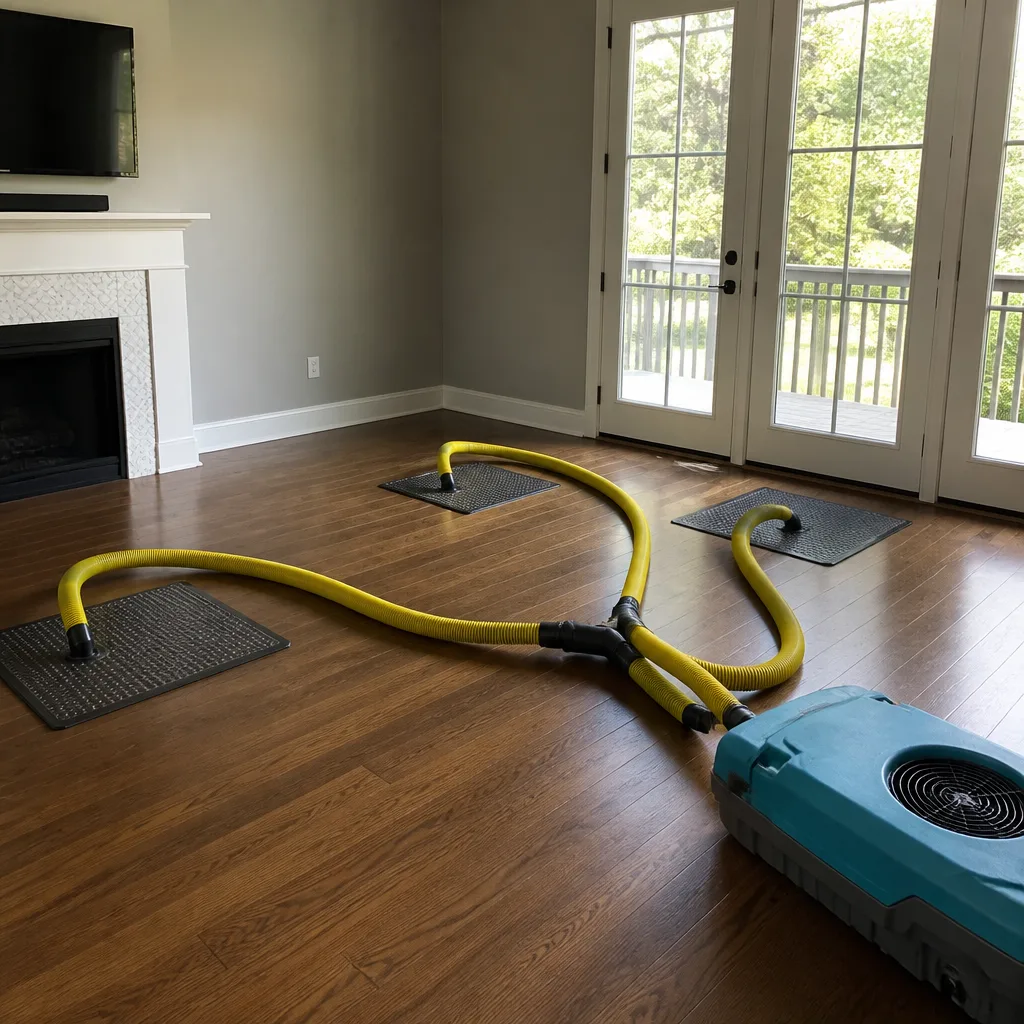 Water damage drying
 Fire & smoke cleanup
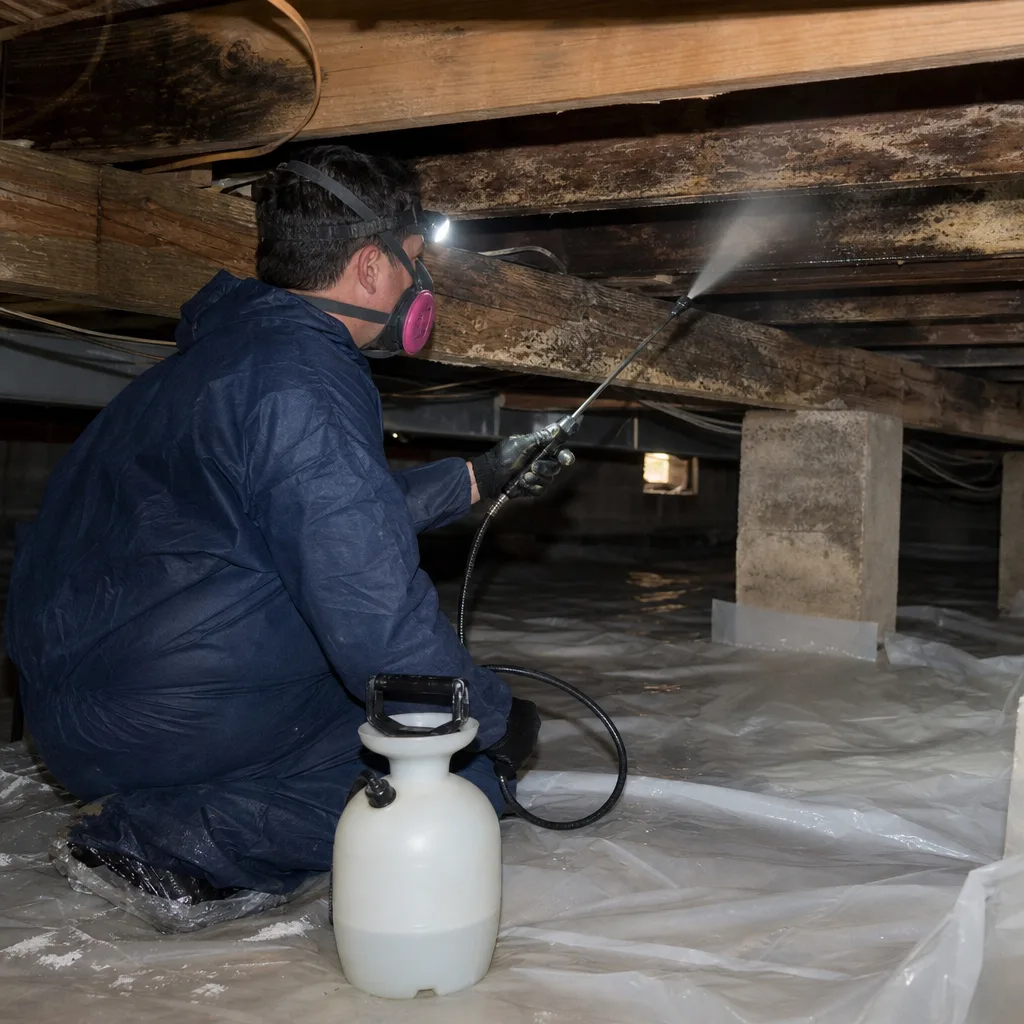
 Mold remediation
 Storm response
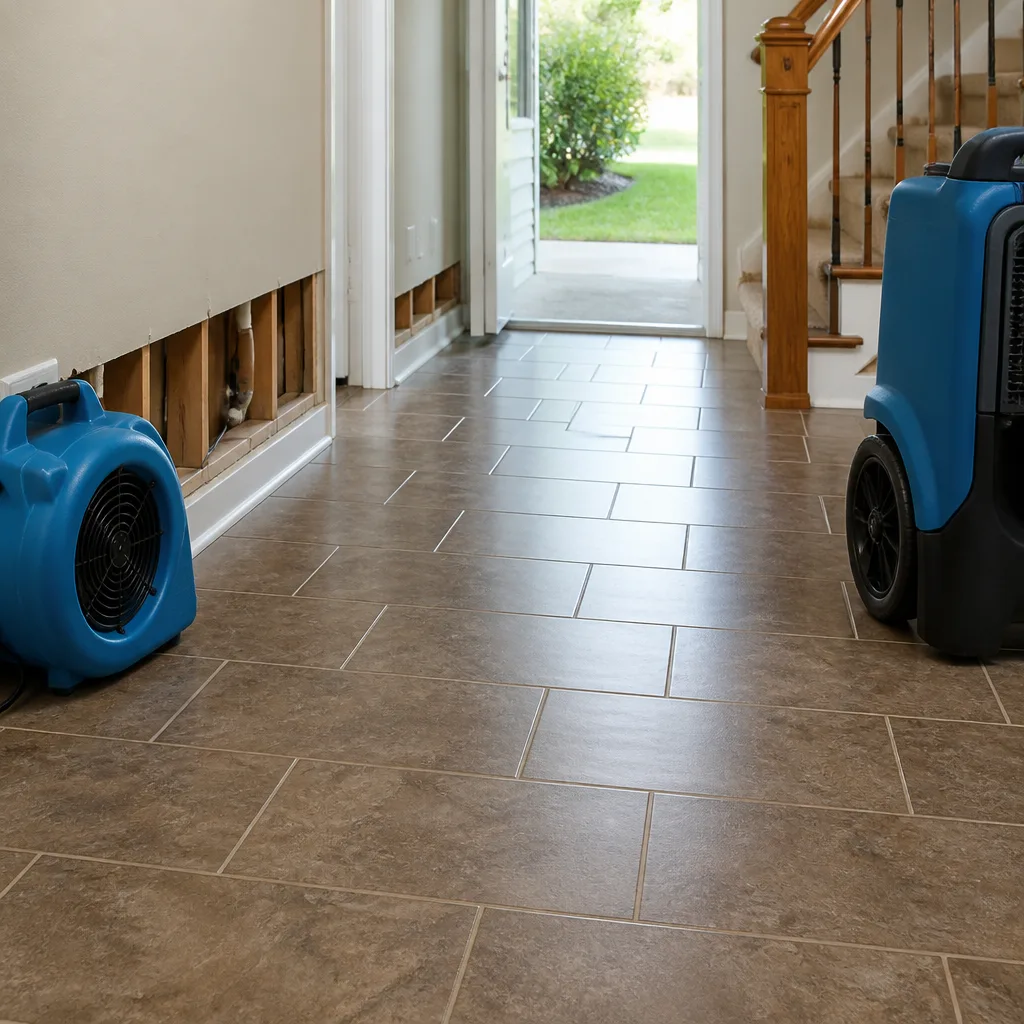 Sewage cleanup
 Reconstruction
Free visual inspection and a written scope of work before any mitigation begins - photos, moisture readings, and drying logs go in your claim file
The scope we write is the scope we bill. Anything new gets shown to you, in writing, before we touch it.
Get your free estimateHow to Hire a Damage Restoration Contractor in Dallas: A Step-by-Step Guide
The worst time to evaluate a contractor is when water is still spreading across your floor. Yet that’s exactly when most Dallas homeowners make the hiring decision, often opening the door to whoever shows up first with a truck and a fan. Post-storm surges bring out-of-town crews who knock on doors in North Dallas and Oak Cliff, promise immediate help, and disappear before the drywall is replaced. This guide gives you a concrete interview and contract checklist you can run in under fifteen minutes, before anyone touches a tool, and complements our Complete Guide to Damage Restoration in Dallas. By the end, you’ll know the five questions that disqualify a bad contractor fast, what a real written price looks like in contract language, how to verify IICRC certification, and how to sequence your insurance adjuster conversation before you sign anything.
Quick Answer
Hiring a damage restoration contractor in Dallas starts with three non-negotiables: verify IICRC certification in writing, require a written scope and price before any work begins, and confirm the company answers its own phone with a live person. Avoid door-knockers after storms, never sign an assignment of benefits under pressure, and call your insurance adjuster before signing any contract. A reputable contractor will put the price in writing, document every step for your claim, and stand behind the repair for at least a full year.
Restoration work we handle
Table of Contents
- The Five Questions That Disqualify a Bad Contractor in Under Two Minutes
- What a Written Price-Before-Work-Starts Policy Actually Looks Like in a Contract
- How to Verify IICRC Certification and What It Actually Requires
- Red Flags Specific to Post-Storm Dallas Contractor Surges
- How to Structure the Conversation with Your Insurance Adjuster Before You Sign
- Why Equipment Brands Matter: What Professional-Grade Means in Dallas
- What a Real Workmanship Guarantee Looks Like in Writing
- Common Mistakes to Avoid
- When to Call a Professional
- Frequently Asked Questions
The Five Questions That Disqualify a Bad Contractor in Under Two Minutes
Every damage restoration contractor in Dallas sounds confident on the phone. The difference between a disciplined crew and a crew that will leave you fighting your insurance company shows up in how they answer five specific questions. Ask these in order. If any answer is vague, evasive, or defensive, end the call. You’ve saved yourself weeks of headache in under two minutes.
- “Will you put the full scope and price in writing before any work starts?” A disciplined contractor says yes without hesitation. The price is delivered in writing, and it does not move at the door. A vague answer like “we’ll work something out” or “it depends on what we find” means you’re about to sign a blank check. The right answer sounds like this: “Yes. We write the scope, we price it, you sign it, and then we start.”
- “Are your technicians certified, and can I see proof?” IICRC certification is the industry baseline. A contractor who can’t name the certification body or gets defensive about proving it is not running a professional crew. Certification means technicians have passed standardized exams in water damage restoration, applied structural drying, and mold remediation. Ask for the technician’s name and certification number before they arrive.
- “Who answers your phone at 3 a.m. if water is spreading across my garage?” The correct answer: a live person. Not a phone tree. Not a call-back queue. Not an answering service that takes a message. When water is actively damaging your home in Dallas, every hour matters. If you reach voicemail during the sales call, you’ll reach voicemail during the emergency.
- “Do you document the job for my insurance claim?” A real restoration contractor photographs everything, logs moisture readings, and formats the documentation to support your claim. If the answer is “your insurance company will figure it out” or “we don’t get involved with insurance,” walk away. The contractor who documents properly is the contractor your adjuster will take seriously.
- “What’s your workmanship guarantee, in writing, and for how long?” Look for a specific term and a specific promise. The Garrison Standard, which governs every job at Keegan Restoration Dallas, includes the 365-Day Done Right Promise: if a repair fails within one year, we return and make it right at no charge. If a contractor stumbles on this question or offers “my word,” you’re hiring a gamble.
Notice what these questions have in common. They all force the contractor to commit, in writing, to a price, a standard, and a timeframe. A professional has nothing to hide. A chancer has nothing to show.
What a Written Price-Before-Work-Starts Policy Actually Looks Like in a Contract
Dallas homeowners get burned because they sign contracts with language that sounds like a price but is actually a placeholder. Here’s how to tell the difference. A real written price includes a detailed scope of loss: every room affected, every material being removed, every piece of equipment being placed, every step of the drying process, and the exact dollar figure attached to each line. A vague contract says “estimate subject to change” and leaves the final number blank.
When you look at a restoration contract in Dallas, here’s what should be in front of you:
- A line-item scope, not a lump sum. You should see specific entries: “Remove and dispose of carpet and pad, master bedroom (220 sq ft)” with a dollar amount. “Install one Dri-Eaz dehumidifier, 8 days, main living area” with a daily rate. A lump sum of $14,000 with no breakdown is not a scope. It’s a guess with your signature attached.
- A start date and an estimated completion date. Dallas heat accelerates mold growth, especially in the summer months when indoor humidity climbs. A restoration contract should tell you when the drying begins and how long it should run.
- A change-order process in writing. Sometimes hidden damage appears after demolition starts. A professional contractor documents it, photographs it, shows you, and writes a change order for your approval before any additional work happens. The price doesn’t move on its own.
- Equipment types and brands named. Not “drying equipment,” but specific names like Dri-Eaz dehumidifiers or Injectidry drying systems. If the contractor won’t name the equipment, they’re probably not using professional-grade gear.
- The guarantee in writing. The 365-Day Done Right Promise at Keegan Restoration Dallas is part of the contract, not a verbal assurance. If the repair fails within one year, we return at no charge. That’s the whole promise, written down, before you sign.
Here’s the test: if you read the contract and can describe exactly what will happen in your home, what it will cost, and what happens if something goes wrong, you’re holding a professional contract. If you’re still guessing after reading it, put the pen down.
How to Verify IICRC Certification and What It Actually Requires
The IICRC, or Institute of Inspection, Cleaning and Restoration Certification, is the industry standard for restoration training. It’s not a government agency, and it doesn’t license contractors in Texas. It’s a certification body that sets coursework and testing standards for water damage restoration, fire damage restoration, and mold remediation. When a contractor in Dallas says “IICRC certified,” here’s what that actually means and how to verify it.
An IICRC Water Restoration Technician has completed a multi-day course and passed a standardized exam covering psychrometrics (the science of drying), extraction techniques, antimicrobial application, structural drying, and documentation. It’s not a weekend seminar. It’s a real test. An IICRC Applied Structural Drying certification goes further into drying chamber design and moisture mapping. If a contractor can’t tell you which certifications their technicians hold, they’re not holding any.
Verification takes one step. Ask for the technician’s name and IICRC certification number. Then call the IICRC or check their online directory. It’s public. If the contractor hesitates, that’s your answer. In our experience in Dallas, we’ve seen crews claim IICRC certification that dissolved the moment we asked for a certification number.
One more thing: IICRC certification is a baseline, not a badge of excellence. It means the technician passed a test. It doesn’t mean they show up on time, document properly, or stand behind the work. That’s why certification is one of the five questions, not the only question. A real professional combines certification with everything else on this list: written pricing, documentation, and a written guarantee. Keegan Restoration Dallas runs every job to The Garrison Standard, which means IICRC, RIA, and IFA industry standards are the floor, not the ceiling.
Red Flags Specific to Post-Storm Dallas Contractor Surges
Dallas sees severe weather in cycles: spring hail, summer thunderstorms, occasional tornado warnings in the northern suburbs, and flash flooding along the Trinity River corridor. For a month-by-month breakdown of what to watch for, see our Seasonal Damage Restoration Care for Dallas: Year-Round Homeowner’s Guide. Every time a storm rolls through, out-of-state crews roll in behind it. They set up in parking lots along I-35, print flyers, and start knocking on doors in hardest-hit neighborhoods like Lake Highlands, Preston Hollow, and East Dallas. Some are legitimate. Many are not. Here are the red flags Dallas homeowners should recognize before opening the door.
Door-knocking contractors. A legitimate restoration company in Dallas doesn’t need to knock on doors. They have phones that ring. After a major storm, out-of-state “storm chasers” go door to door offering free inspections. The inspection turns into pressure to sign an assignment of benefits, and the crew disappears before the insurance check clears. Never sign anything at the door.
Unlicensed “affiliates.” Storm chasers often recruit local handymen, painters, or roofers and rebrand them as “restoration specialists” for the surge. Ask whether the technicians are full-time employees or day laborers. Ask for IICRC certification numbers. Ask for the physical address of the office. A company that can’t answer these three questions is a tent, not a business.
Assignment-of-benefits pressure. Some storm chasers push you to sign an “assignment of benefits,” which transfers your insurance rights to the contractor. It’s legal in Texas but risky. You lose control of the claim. The contractor bills your insurer directly, sometimes inflating the bill, and you’re on the hook for the shortfall. A reputable contractor works with your adjuster, documents the job, and bills transparently. Don’t sign an assignment of benefits under pressure at your front door.
The “we’re already in your neighborhood” pitch. This is a psychological trick. It creates false urgency and implies the contractor is established in Dallas when they might have arrived yesterday. If they’re really local, they’ll have a local address, local references, and a local phone number that a live person answers. Ask which Dallas neighborhoods they’ve worked in recently. A chancer fumbles. A local professional names streets.
Cash-only or deposit-first demands. A legitimate restoration contractor in Dallas bills through insurance or accepts standard payment. A contractor who demands a large cash deposit before work starts, especially for an insurance-covered job, is structuring the deal to be gone before the check clears.
How to Structure the Conversation with Your Insurance Adjuster Before You Sign
The order of operations matters more than most Dallas homeowners realize. If you sign a contractor before calling your insurance company, you’ve committed to a scope and price that your adjuster hasn’t reviewed. If you call your adjuster and wait three days while water sits in your home, mold growth starts and the damage gets worse. Here’s the sequence that protects you on both sides.
- Mitigate first, document everything. Stop the source of water if you can safely do so. Shut off the water main. Take photos of every affected room before anyone moves anything. Your adjuster and your contractor both need that baseline.
- Call your insurance company the same day. Report the loss, get a claim number, and ask for the name and direct line of your adjuster. Write it down. This call starts the clock on your insurer’s response requirements under Texas insurance law.
- Hire a contractor who documents for insurance. A professional restoration contractor in Dallas documents the job in the format your adjuster expects: moisture readings, photo logs, equipment logs, and a written scope of loss. This documentation becomes the evidence your claim is built on. It’s the difference between an adjuster who approves and an adjuster who argues.
- Get the written scope and price before any demolition or drying starts. Your contractor should deliver a line-item scope and written price. Share it with your adjuster before work begins. If your adjuster wants to inspect first, the documentation your contractor already produced makes that inspection faster and more accurate.
- Let the contractor and adjuster talk, but stay in the room. A good contractor coordinates directly with the adjuster, explains the technical findings, and justifies the scope with documented evidence. You stay informed at every step. No side deals, no surprise change orders.
Here’s the thing: your insurance company needs documentation, not enthusiasm. A contractor who photographs moisture mapping, logs daily drying metrics, and writes a clean scope gives your adjuster what they need to approve the claim. A contractor who says “don’t worry, insurance will handle it” is handing your claim to someone who doesn’t understand it. Keegan Restoration Dallas formats every job’s documentation to support your insurance claim, on purpose, from the first photo to the final invoice.
Why Equipment Brands Matter: What Professional-Grade Means in Dallas
Dallas heat and humidity shape how water damage restoration actually works here. In July and August, a flooded home doesn’t just have standing water. It has 95-degree indoor temperatures and high humidity creating ideal mold incubation inside the walls. That’s why drying speed matters so much, and why equipment quality isn’t a luxury. It’s a structural requirement.
Professional restoration in Dallas runs on equipment brands you can name and verify. Dri-Eaz dehumidifiers and air movers are industry standards for structural drying. Phoenix systems handle high-heat commercial-grade drying. XPOWER and B-Air make the axial fans and ventilation that move air across wet surfaces. Injectidry systems inject drying into wall cavities and under-cabinet spaces where conventional drying can’t reach. These aren’t the fans you buy at a hardware store. They’re engineered tools that move specific volumes of air and pull specific grains of moisture per pound of air, and a certified technician knows how to calculate the load.
Here’s the practical takeaway for a Dallas homeowner: ask what equipment the contractor is bringing and write it down. If they answer “industrial fans,” they might be bringing consumer-grade gear and charging professional rates. If they answer “Dri-Eaz dehumidifiers and XPOWER air movers configured for the cubic footage of the space,” they know what they’re doing. We run only professional-grade brands, in compliance with IICRC, RIA, and IFA standards, because the math of drying a Dallas home in August doesn’t change for cheap equipment.
What a Real Workmanship Guarantee Looks Like in Writing
Most restoration guarantees in Dallas are verbal. “We stand behind our work.” “If anything’s wrong, we’ll fix it.” These phrases mean nothing because they commit to nothing. A real guarantee has four properties: it’s written, it’s specific, it has a term, and it explains the remedy.
The 365-Day Done Right Promise at Keegan Restoration Dallas reads like this: if a repair fails within one year of completion, we return and make it right at no charge. That’s the whole promise, in writing, before the job starts. It’s not a warranty on materials from a manufacturer. It’s a workmanship guarantee backed by a company that puts its name on every job. The remedy is simple: call, we come back, we fix it, you don’t pay.
Ask any contractor you’re considering: “What’s your workmanship guarantee, exactly, and can I see it in writing?” A professional hands you a document. A chancer changes the subject. The guarantee is the contractor’s skin in the game. Without it, the risk is entirely yours. With it, the contractor has an incentive to do the job right the first time. That’s the entire logic behind The Garrison Standard: show up inside the window, price in writing, do it by the book, leave the site clean, stand behind the work for a full year.
Common Mistakes to Avoid
- Hiring the first contractor who shows up. After a burst pipe or storm, the first truck at your door is usually the one with the most idle time, not the best crew. Take fifteen minutes to run the five questions before you sign anything.
- Signing an assignment of benefits under pressure. Door-knocking storm chasers in Dallas love this document. It transfers your insurance rights to a contractor you’ve never vetted. You lose control of the claim. Don’t sign it at the door.
- Accepting a verbal estimate. “It’ll probably be around $8,000” is not a price. A written scope with line items is a price. Anything less is a gamble with your insurance settlement attached.
- Skipping the documentation step. If the contractor doesn’t photograph the damage before work starts, the adjuster has no baseline. You’ll spend months arguing about what was pre-existing versus what the water did.
- Choosing the cheapest bid for mold remediation. Mold remediation in Dallas demands containment, negative air pressure, and antimicrobial treatment. The cheapest bid usually skips one of these steps, and the mold comes back.
- Waiting a few days to “see how bad it gets.” In Dallas humidity, water damage worsens by the hour. Mold begins within 24 to 48 hours. Call the moment you discover the water, and call a company where a live person answers.
- Not asking about the guarantee before you sign. The guarantee is the contractor’s commitment to standing behind the work. No written guarantee, no contract. It’s that simple.
When to Call a Professional
Some damage you can handle with a mop and a fan. Some damage demands a professional on the same day. Call a restoration contractor in Dallas when water has reached building materials: drywall, baseboards, flooring, insulation. Call when the water source is a sewage backup or contaminated. Call when you see or smell mold. Call when smoke and soot have gotten into the HVAC system after a fire. And call immediately if water has been standing for more than a few hours in a Dallas summer, because the heat is accelerating the timeline on everything. Keegan Restoration Dallas offers free estimates in Dallas, and a live person answers every call, 24 hours a day. Call (254) 857-5210 the moment you know something is wrong.
Frequently Asked Questions
Water damage restoration in Dallas typically runs from $1,200 to $4,500 for moderate jobs like a burst supply line in a single room, and $7,000 to $25,000 or more for whole-home flooding or a washing machine overflow that soaked multiple rooms and the subfloor. The spread depends on square footage affected, how long the water sat, what materials need replacing, and whether containment for mold is required. The only number that matters is your number, in writing, before work starts. Call (254) 857-5210 for an exact quote with a written scope.
Most Dallas homeowners policies cover sudden and accidental water damage from a burst pipe or appliance failure, but not gradual leaks or flood water from outside. Flood insurance is a separate policy. Your contractor should document the job in insurance-acceptable format, photograph everything, and coordinate directly with your adjuster. If a contractor avoids insurance conversations, that’s a red flag. If your adjuster needs technical explanation, your contractor should be able to provide it in their language.
A professional restoration company in Dallas dispatches the same day for active water damage, often within hours. Every hour in a wet Dallas home, especially between May and September, increases the mold risk and the repair scope. When you call Keegan Restoration Dallas, a live person answers 24/7, including nights, weekends, and holidays. You won’t leave a voicemail while water spreads. Call (254) 857-5210 and a technician will be dispatched inside the window we give you.
If water reached drywall, flooring, or insulation, cleanup is not enough. Moisture trapped inside building materials doesn’t dry on its own, and Dallas humidity makes mold growth likely within 48 hours. A certified technician will take moisture readings, map the affected areas, and tell you what needs removal and drying. Beware the contractor who skips this step and just runs a carpet fan. You’ll be doing the job twice.
You call your adjuster and start the claim. A professional contractor prepares the documentation that makes your adjuster’s job straightforward: photos, moisture logs, equipment records, and a written scope. Keegan Restoration Dallas formats every job’s documentation to support your insurance claim, and our technicians coordinate directly with adjusters in Dallas when they need technical questions answered. You stay informed. The burden isn’t on you to explain psychrometrics to your insurance company.
The 365-Day Done Right Promise is the written workmanship guarantee that comes with every repair at Keegan Restoration Dallas. If a repair fails within one year of completion, we return and make it right at no charge, including a free second visit if the repair fails within the guarantee period. It’s not a verbal assurance. It’s part of The Garrison Standard, in writing, before any work starts. If another contractor won’t promise something similar in writing, that tells you something.
The Bottom Line
Hiring a damage restoration contractor in Dallas doesn’t need to be a roll of the dice, even when you’re standing in two inches of water. Run the five questions. Demand a written scope and price before any work starts. Verify IICRC certification instead of taking it on faith. Recognize the storm chaser red flags: door-knocking, assignment-of-benefits pressure, and the vague “affiliate” label. Talk to your adjuster before you sign, and work with a contractor who documents the job like your claim depends on it, because it does. Above all, demand a written guarantee. The 365-Day Done Right Promise exists for one reason: the contractor should carry the risk, not the homeowner. Call (254) 857-5210 and you’ll get a live person, a written price, and a crew that runs to a standard. For more guides & resources, visit our blog. That’s how hiring a restoration contractor in Dallas should feel.
Written by Shane Pruitt, Owner at Keegan Restoration Dallas, serving Dallas since 2005.
See the difference
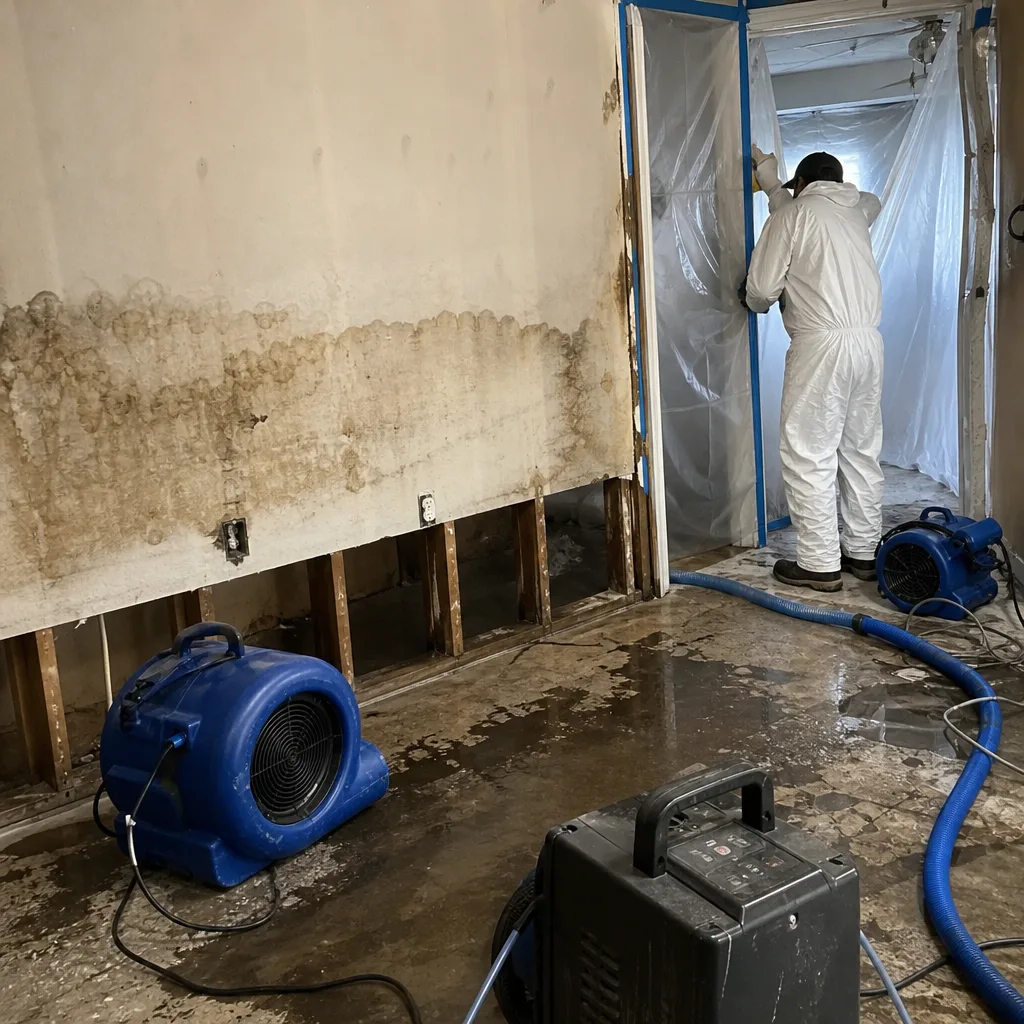 Before
 After
After Before
 After
After Before
 After
After