
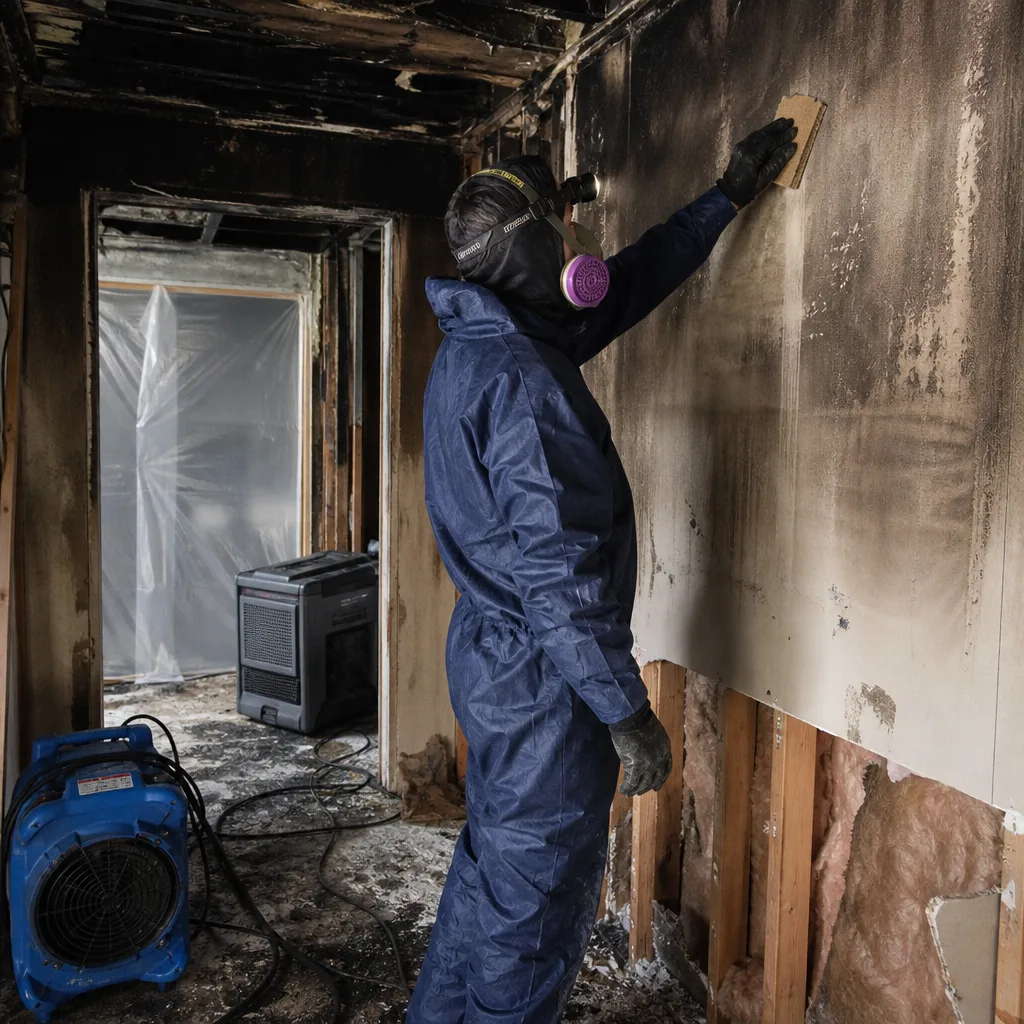
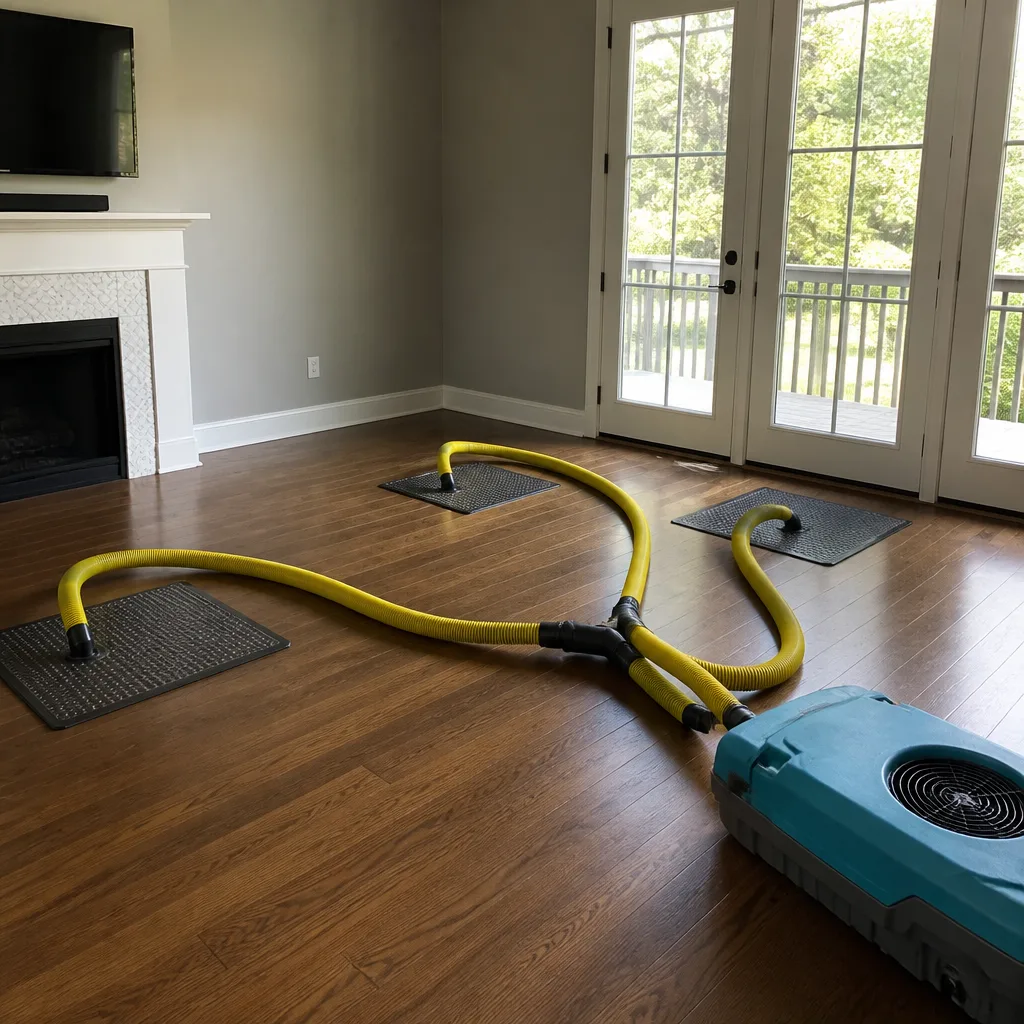
 Water damage drying
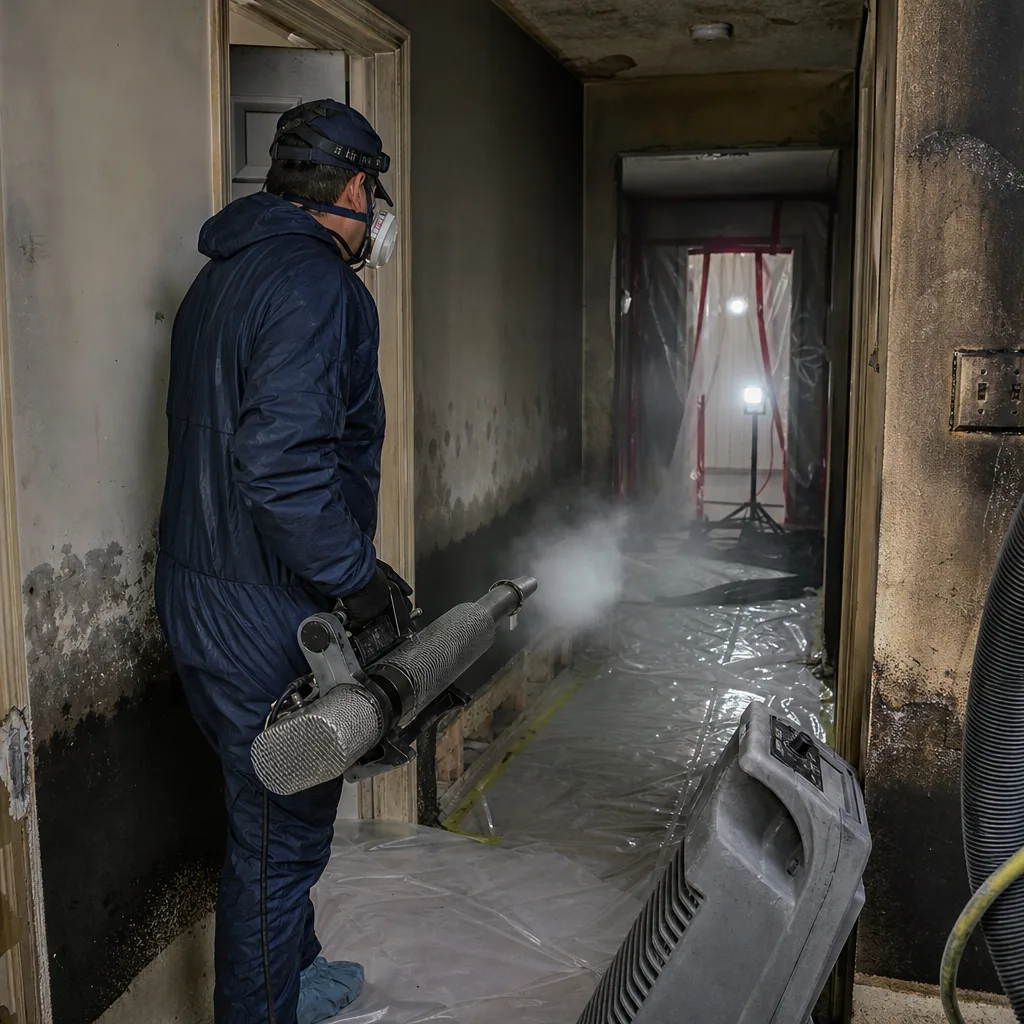
 Fire & smoke cleanup
 Mold remediation
 Storm response
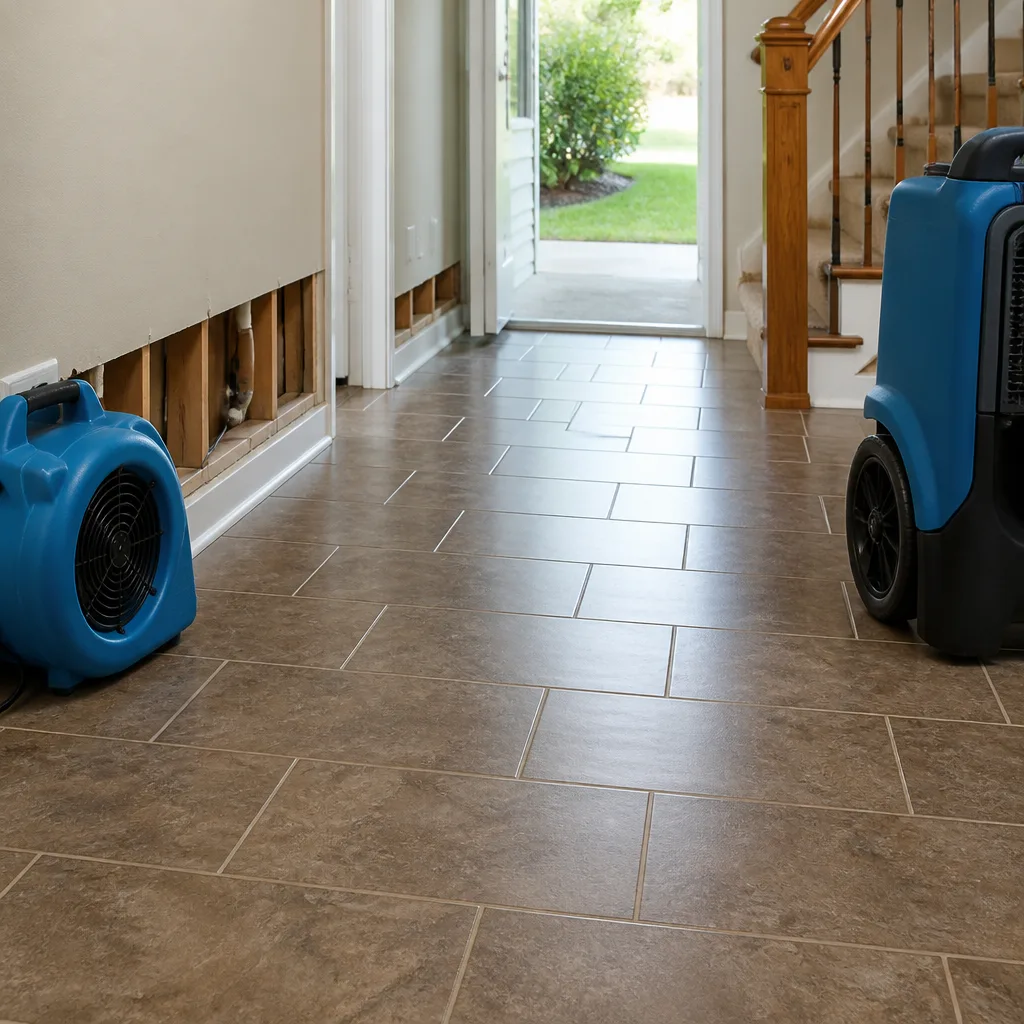 Sewage cleanup
 Reconstruction
Free visual inspection and a written scope of work before any mitigation begins - photos, moisture readings, and drying logs go in your claim file
The scope we write is the scope we bill. Anything new gets shown to you, in writing, before we touch it.
Get your free estimateFast, Reliable Fire Damage Restoration Across Lancaster
Fire damage restoration in Lancaster moves on two clocks: the fire is out, but the water used to fight it is now soaking into your slab and drywall. On Lancaster’s expansive clay soil, that water becomes a secondary problem faster than most homeowners expect. We restore fire-damaged homes throughout Lancaster, from Windsor Park to Ten Mile Creek, with crews dispatched from our Dallas-Fort Worth office. The written price comes before any work starts, and a live person answers when you call (254) 857-5210.
Why Keegan Restoration Dallas Is Lancaster’s Preferred Fire Damage Restoration Company
Lancaster homeowners deal with a specific set of fire restoration challenges that crews from other cities often miss. The biggest one is the soil. Expansive clay under slab-on-grade homes traps firefighting water against the foundation, and within 48 to 72 hours that moisture wicks up into drywall and starts feeding mold. Our technicians moisture-map every affected Lancaster job before writing the scope, because skipping that step on clay soil means finding hidden damage months later behind baseboards you already paid to restore.
We run every Lancaster job to The Garrison Standard: background-checked, uniformed technicians, a written price before work begins, and the 365-Day Done Right Promise in writing. If a repair fails within one year, we return and make it right at no charge. Shane Pruitt leads our team, and his crews know Lancaster’s older brick veneer homes, original cast iron plumbing, and the drainage issues around Windsor Park and Ten Mile Creek during storm season. That local knowledge changes how we scope a fire job.
Restoration work we handle
Fire Damage Repair in Lancaster
Fire damage repair in Lancaster means restoring the structural and finish elements a fire compromised, from charred framing and drywall to flooring, cabinets, and exterior brick veneer. In Lancaster, repair work often starts with stabilizing the structure and addressing what the firefighting water did beneath the slab. Homes built in the 1970s through 2000s on concrete slabs without modern moisture barriers are especially vulnerable, because water travels along slab cracks and saturates drywall well beyond the visible burn area. A typical structural fire repair in Lancaster runs $4,500 to $18,000 depending on whether the burn reached framing and how much of the slab-adjacent drywall has to come out. That range reflects what we see in Lancaster’s mix of older brick veneer homes and newer subdivisions.
Structural Fire Repair
When fire compromises load-bearing framing, trusses, or the roof deck, the repair scope shifts from cleaning to reconstruction. Lancaster’s brick veneer construction means the brick often survives while the interior framing behind it does not, so we assess what can be saved and what must be replaced before writing the scope. Structural repair here typically starts around $8,000 and rises with the square footage of burned framing, finish level, and whether the slab itself needs treatment.
Soot Removal and Odor Treatment
Soot is acidic and starts etching surfaces within hours, especially on the painted drywall and trim common in Lancaster homes. We clean surfaces with dry-chem sponges and HEPA vacuuming, then address odor at the source, not with masking sprays. On slab-on-grade homes, odor often hides in lower wall cavities where firefighting water settled, so odor treatment here includes inspecting those spaces before sealing and repainting.
Fire Damage Cleanup in Lancaster
Fire damage cleanup in Lancaster is the first phase after the fire is out: removing debris, containing soot, extracting water, and stabilizing the site so secondary damage stops spreading. In Lancaster, cleanup has to move fast because of the slab. Firefighting water pools against the foundation, and expansive clay holds it there. That water wicks into drywall and feeds mold growth in lower wall cavities within days. A fire damage cleanup in Lancaster typically runs $2,800 to $9,500, depending on square footage, how much water suppression left behind, and whether pack-out of unsalvageable contents is required. The price includes containment, extraction, drying, and debris removal.
Emergency Board-Up and Containment
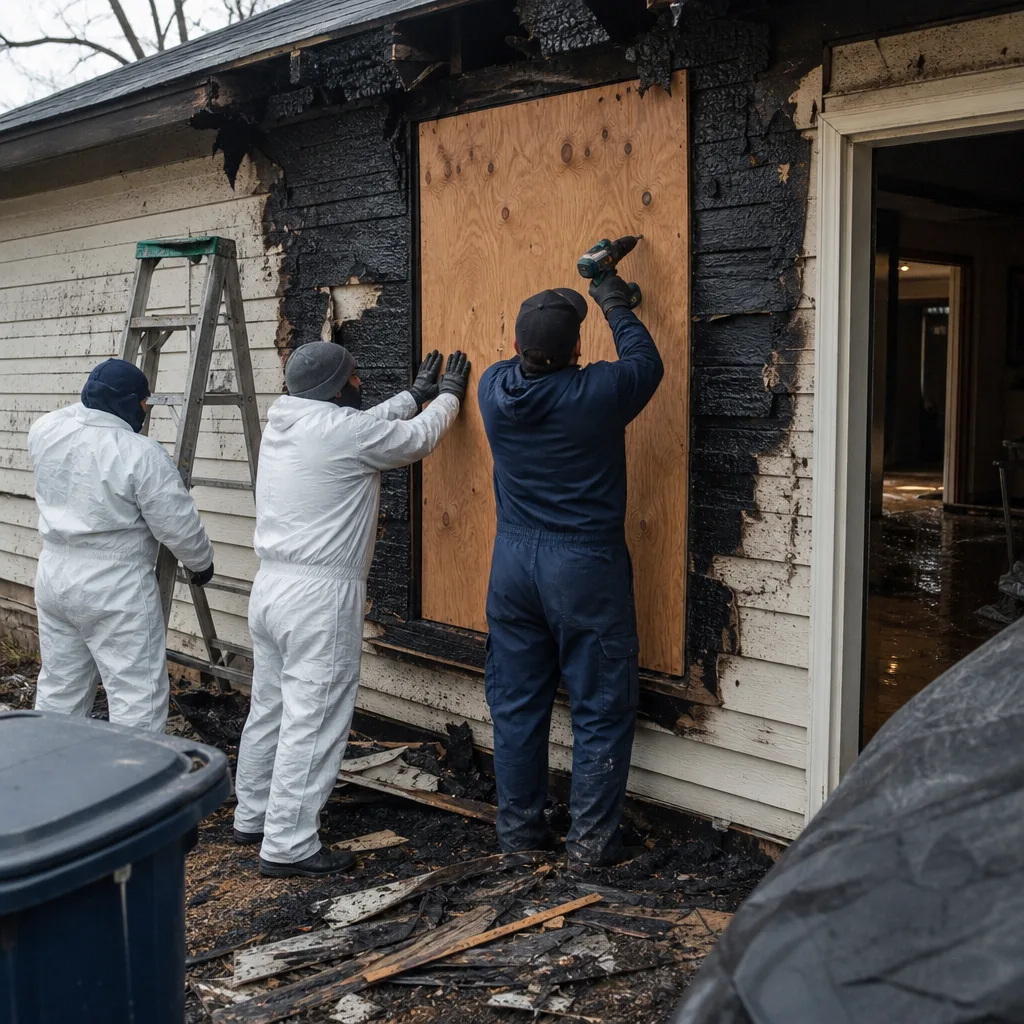
After a fire, Lancaster’s summer storm season doesn’t pause. Open walls or missing windows need board-up fast, before a hailstorm or high-wind event pushes rain into an already compromised structure. We board up and tarp the same day we’re called, using materials rated to hold through the severe thunderstorms that hit this part of Dallas County.
Water Extraction and Drying After Fire Suppression
This step is where Lancaster jobs differ from fire restoration in nearby cities with more stable soils. We use Phoenix dehumidifiers and XPOWER air movers to pull water from the slab and dry the structure to IICRC drying standards. On older brick veneer homes without moisture barriers, we remove water-soaked baseboards and drill pilot holes at the sill plate to dry the cavity before applying antimicrobial treatment and rebuilding.
Trusted Brands We Service in Lancaster
Our Lancaster crews operate Dri-Eaz, Phoenix, XPOWER, B-Air, and Injectidry equipment, and we run every drying job in compliance with IICRC, RIA, and IFA industry standards. For Lancaster homeowners, that means professional-grade extraction and structural drying on site, not rental-grade equipment wheeled in from a big-box store. The equipment matters because Clay soil demands aggressive drying, and the brands we run are built for exactly that. We keep replacement filters, desiccant packs, and drying accessories stocked for fast turnaround on Lancaster jobs, so a mid-job supply issue doesn’t slow down your restoration timeline.
See the difference
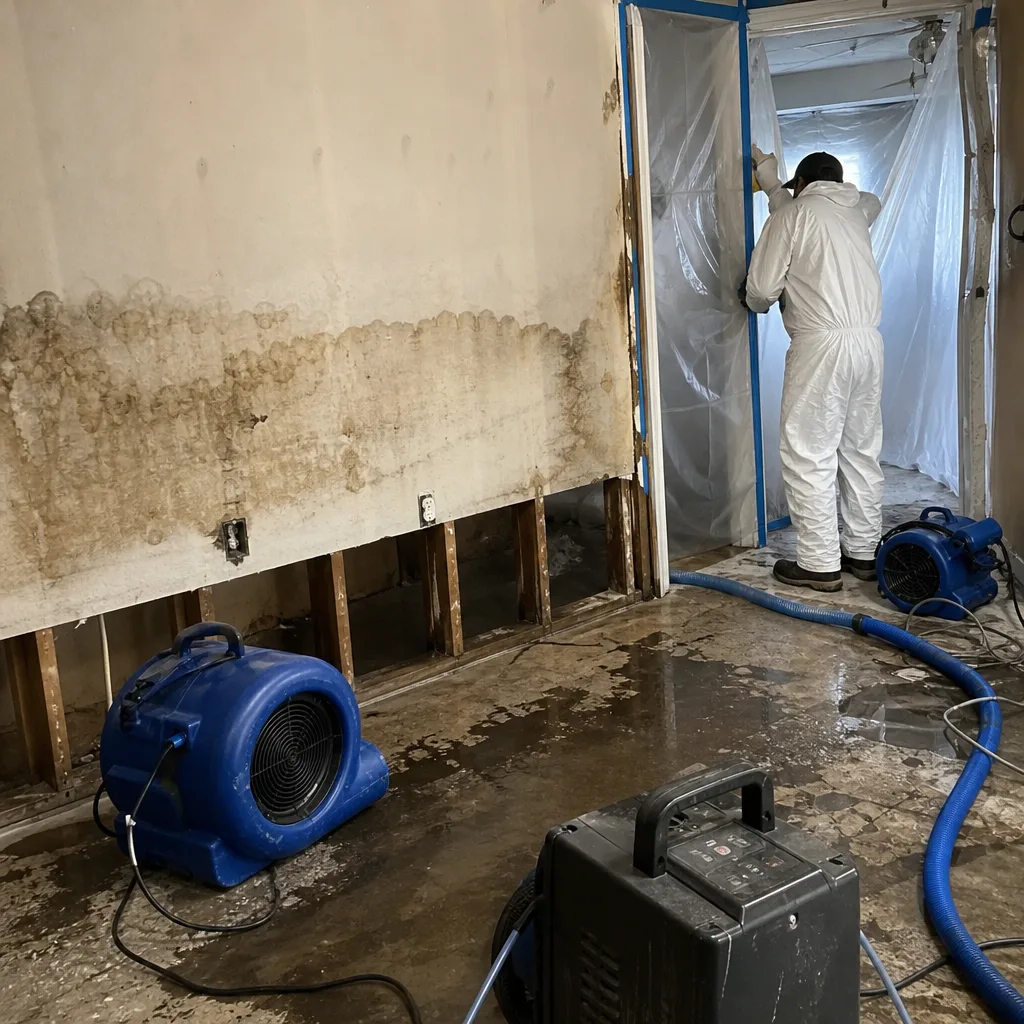 Before
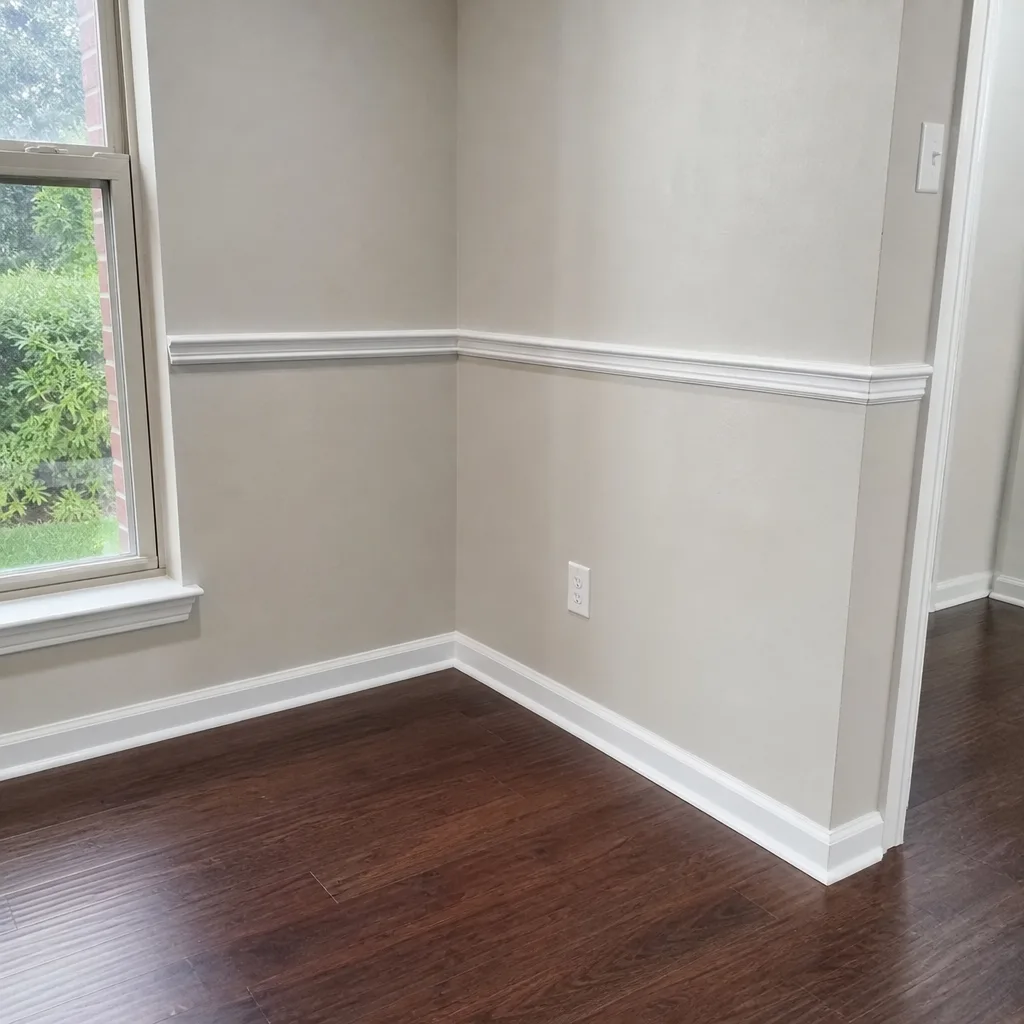 After
After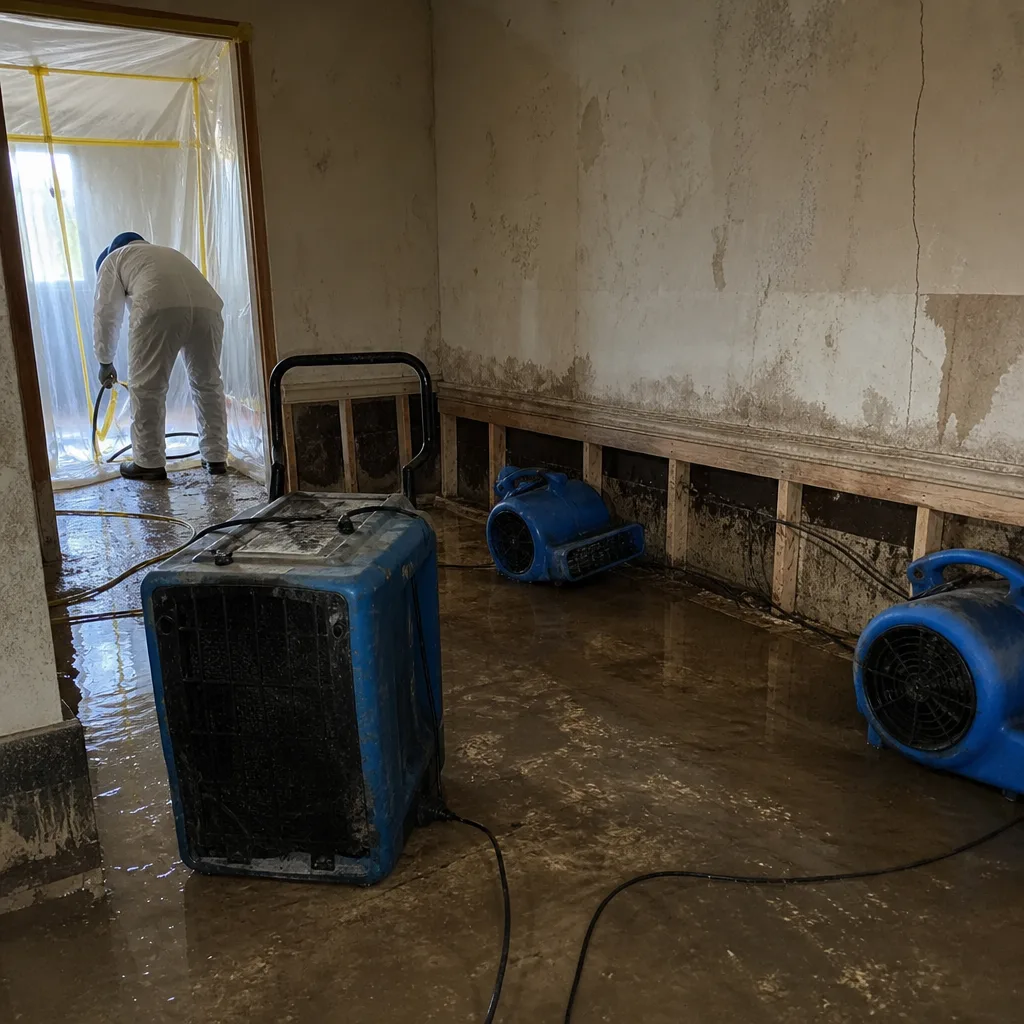 Before
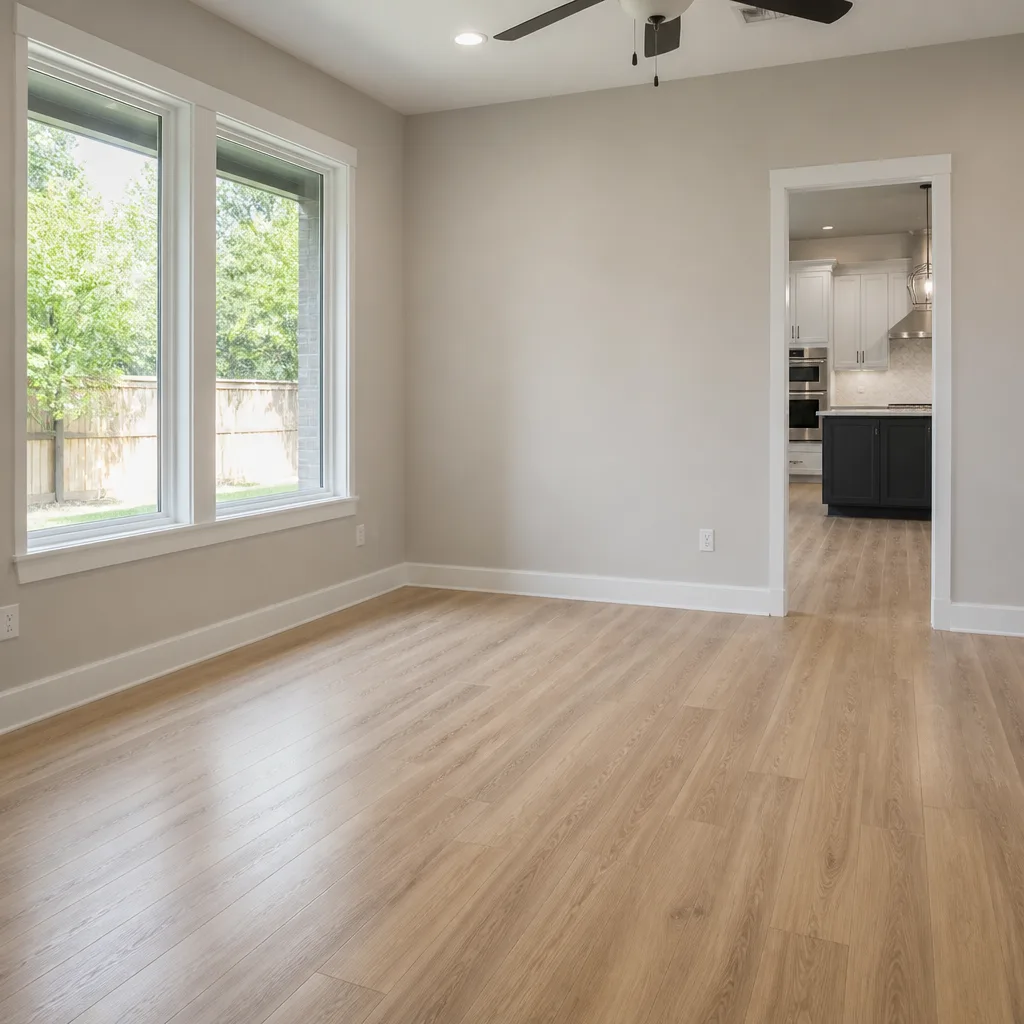 After
After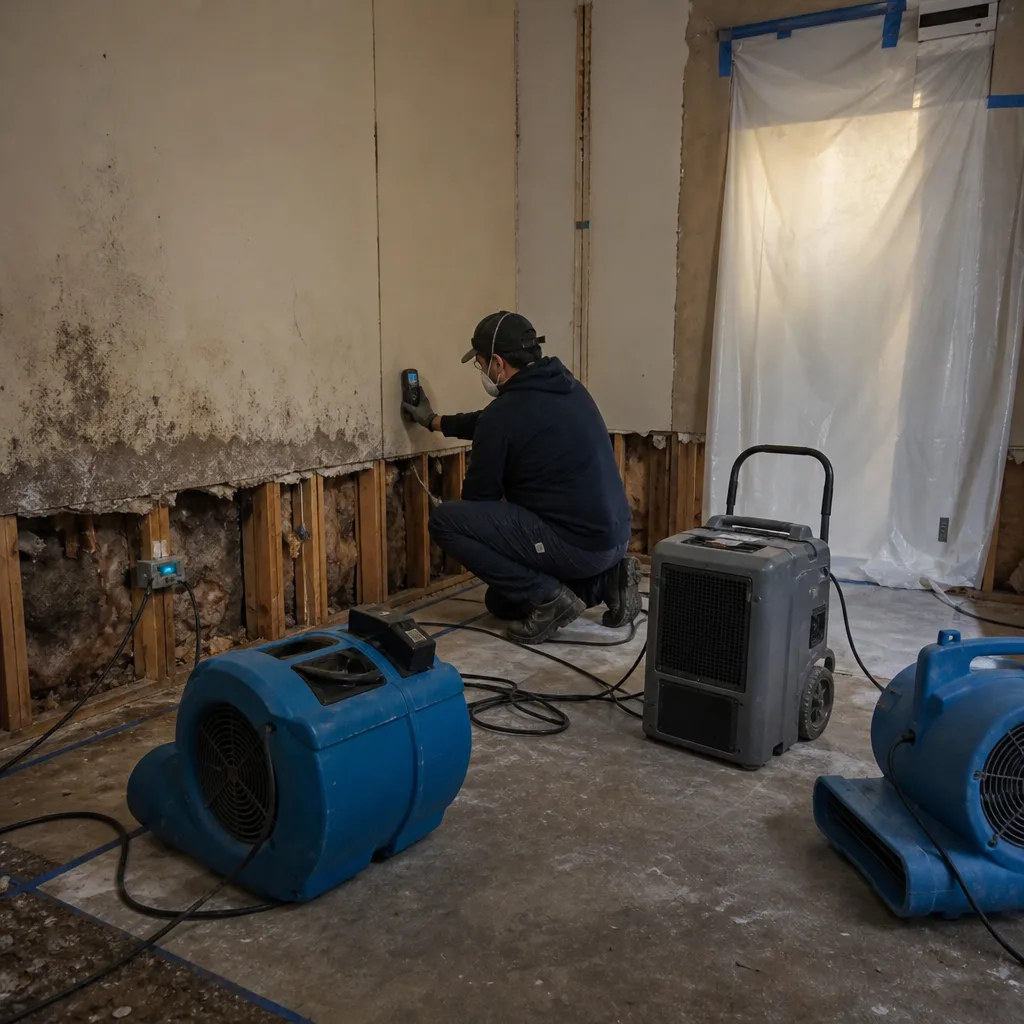 Before
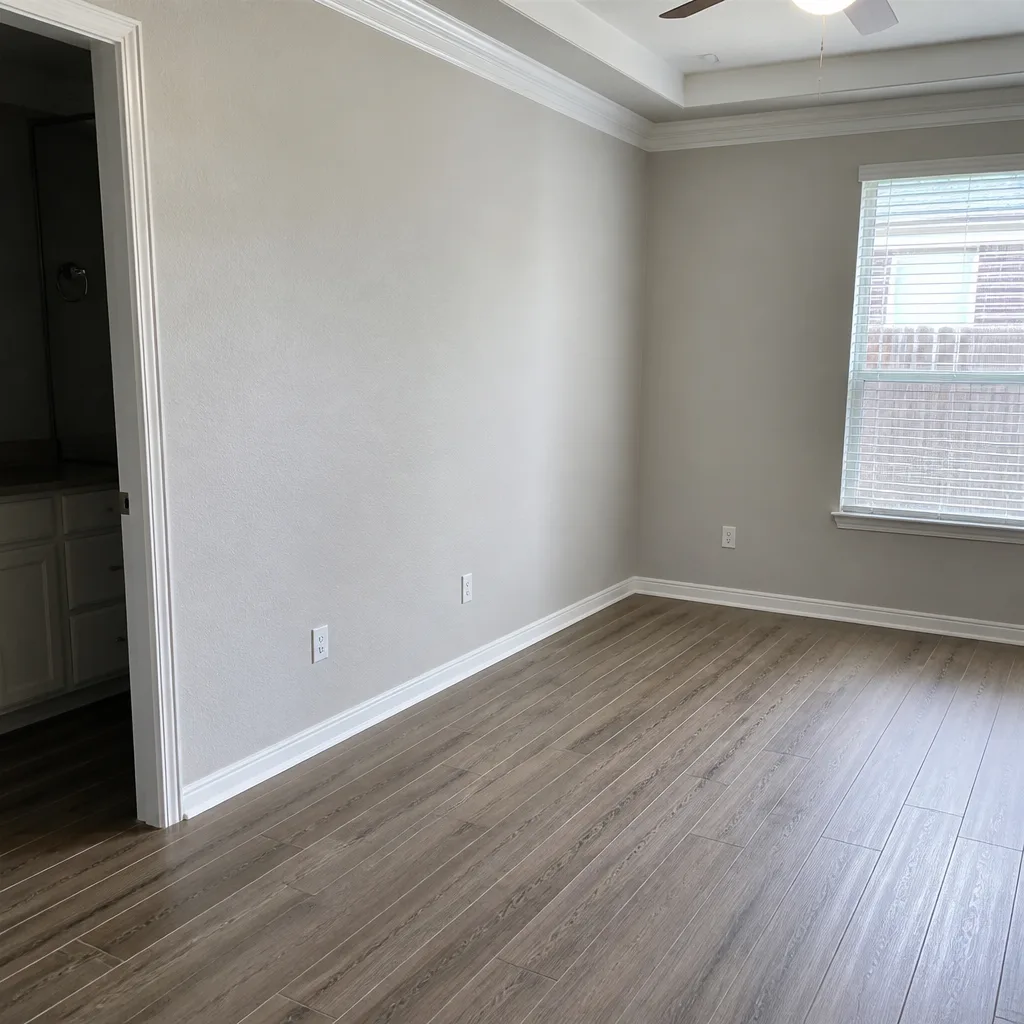 After
AfterCommon Fire Damage Restoration Problems We See in Lancaster Homes
- Slab-wicking mold from firefighting water: In Lancaster’s slab-on-grade homes, fire suppression water pools against the foundation and wicks up into drywall through slab cracks, creating mold within 72 hours. Most of the mold we remediate after a fire in Lancaster originated from water that should have been extracted in the first 48 hours.
- Hidden water traveling along original cast iron plumbing: Older Lancaster brick veneer homes often have cast iron drain lines running through or under the slab. Firefighting water follows those pipe chases and saturates drywall in rooms that never got touched by flame, so we moisture-map across the entire slab before writing the drying scope.
- Soot contamination spreading during pack-out in tight 1970s floor plans: Lancaster’s older homes have compartmentalized layouts with narrow doorways. Without containment, soot and water-damaged debris get dragged through clean rooms, and the scope grows. We set negative-air containment before we move anything.
- Storm-damaged roofs letting water back in during the restoration: A fire-compromised roof in Lancaster faces the same severe thunderstorm season as every other roof in the city. If the fire burned through the deck, a single hailstorm can reintroduce water into a home that was already drying. We tarp and board up to hold the structure through the weather.
Pricing for Fire Damage Restoration in Lancaster, TX
We Also Serve Cities Near Lancaster
Beyond Lancaster, our Fire Damage Restoration crews serve Fire Damage Restoration customers across southern Dallas County, including Cedar Hill, Dallas, Garland, and Addison. If your home is in Lancaster or one of these nearby cities, the same Garrison Standard applies. Learn more about how we serve Fire Damage Restoration in Lancaster and the surrounding area.
Serving Lancaster, TX - Our Local Coverage Area
We’re based in the Lancaster area and know this community well. Use the map below to see our service coverage - if you’re nearby, we can almost certainly help.
FAQs About Fire Damage Restoration in Lancaster
Extraction should begin within 24 to 48 hours. On Lancaster’s expansive clay soil, firefighting water trapped against the slab starts wicking into drywall almost immediately, and mold growth follows within 72 hours. If you’re past the 48-hour mark, we’ll still dry the structure, but the removal scope is typically larger. Call (254) 857-5210 as soon as the fire is out to get a crew moving.
Moisture mapping tells us where firefighting water traveled beneath the slab, which matters because Lancaster’s clay soil holds that moisture and pushes it up through slab cracks into drywall. Without mapping, you’ll restore the visible fire damage and miss saturated drywall in adjacent rooms that’ll mold later. We map the entire slab before writing the drying scope, then monitor with moisture meters until the structure meets drying standards.
Lancaster’s building permit office requires documentation of the fire’s scope and the proposed repair work before rebuilding begins, especially on brick veneer homes where the brick survives but framing behind it must be replaced. Our team documents the job with photos and written scope notes formatted to support both your permit application and your insurance claim. We handle that paperwork so you don’t have to chase it.
We moisture-map the slab and inspect along the original cast iron drain lines, because firefighting water follows those pipe chases through the slab and into wall cavities far from the fire. Then we dry those cavities with Injectidry systems and Phoenix dehumidifiers before rebuilding. On homes without modern moisture barriers, we remove soaked baseboards and treat the sill plate before closing the wall.
In most cases, yes. The slab itself rarely needs removal unless the fire burned hot enough to spall the concrete or the firefighting water opened structural cracks. Typically we extract the water, dry the slab, remove saturated drywall and baseboards, treat the sill plate for microbial growth, and rebuild the wall assemblies without touching the slab. We’ll tell you in writing exactly what the slab needs before work starts, and if it doesn’t need to come out, we won’t recommend taking it out. Call (254) 857-5210 for a free estimate and a straight answer.
Written by Shane Pruitt, Owner at Keegan Restoration Dallas, serving Lancaster since our founding as part of the Garrison Partners family in 2005.